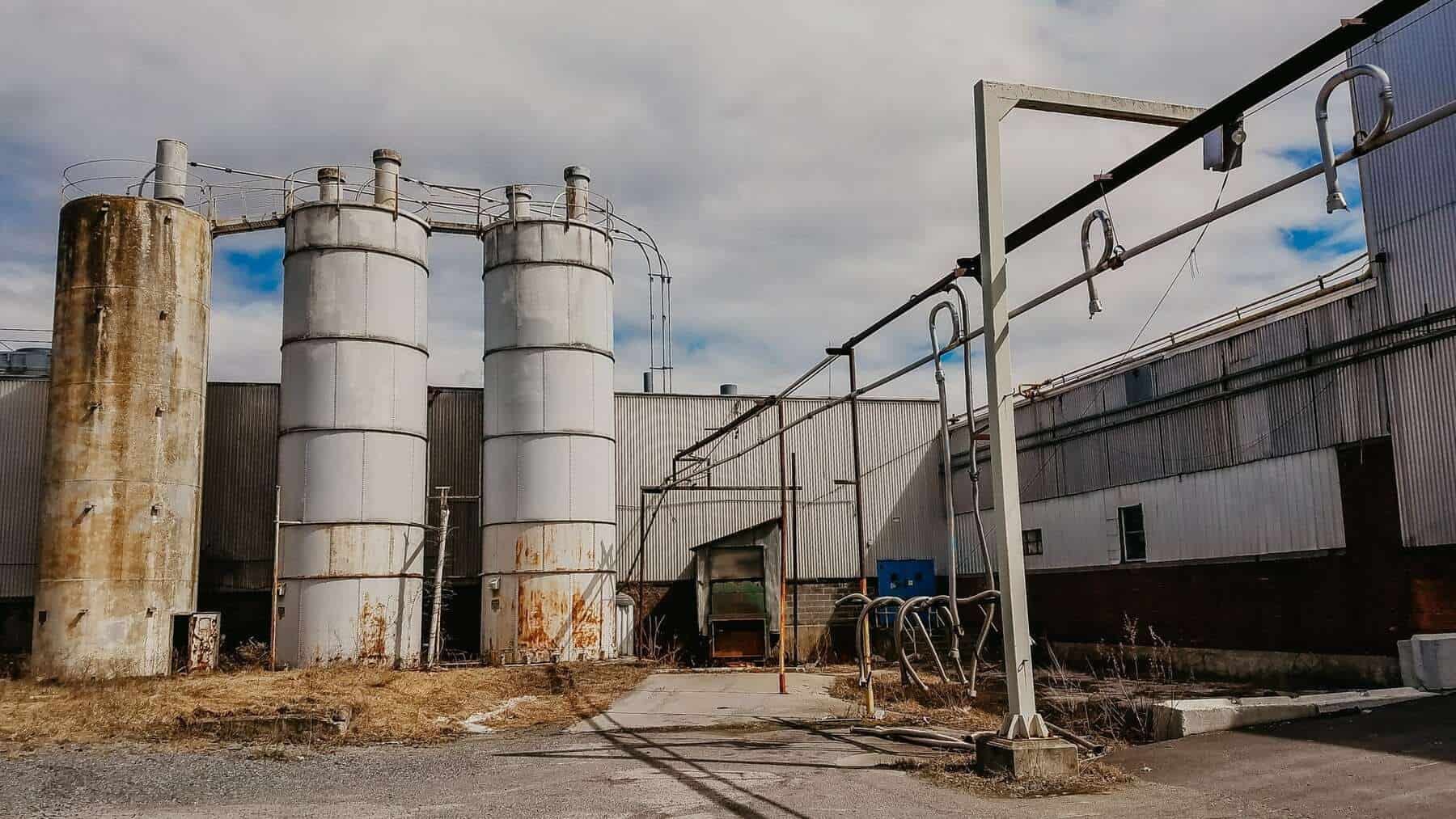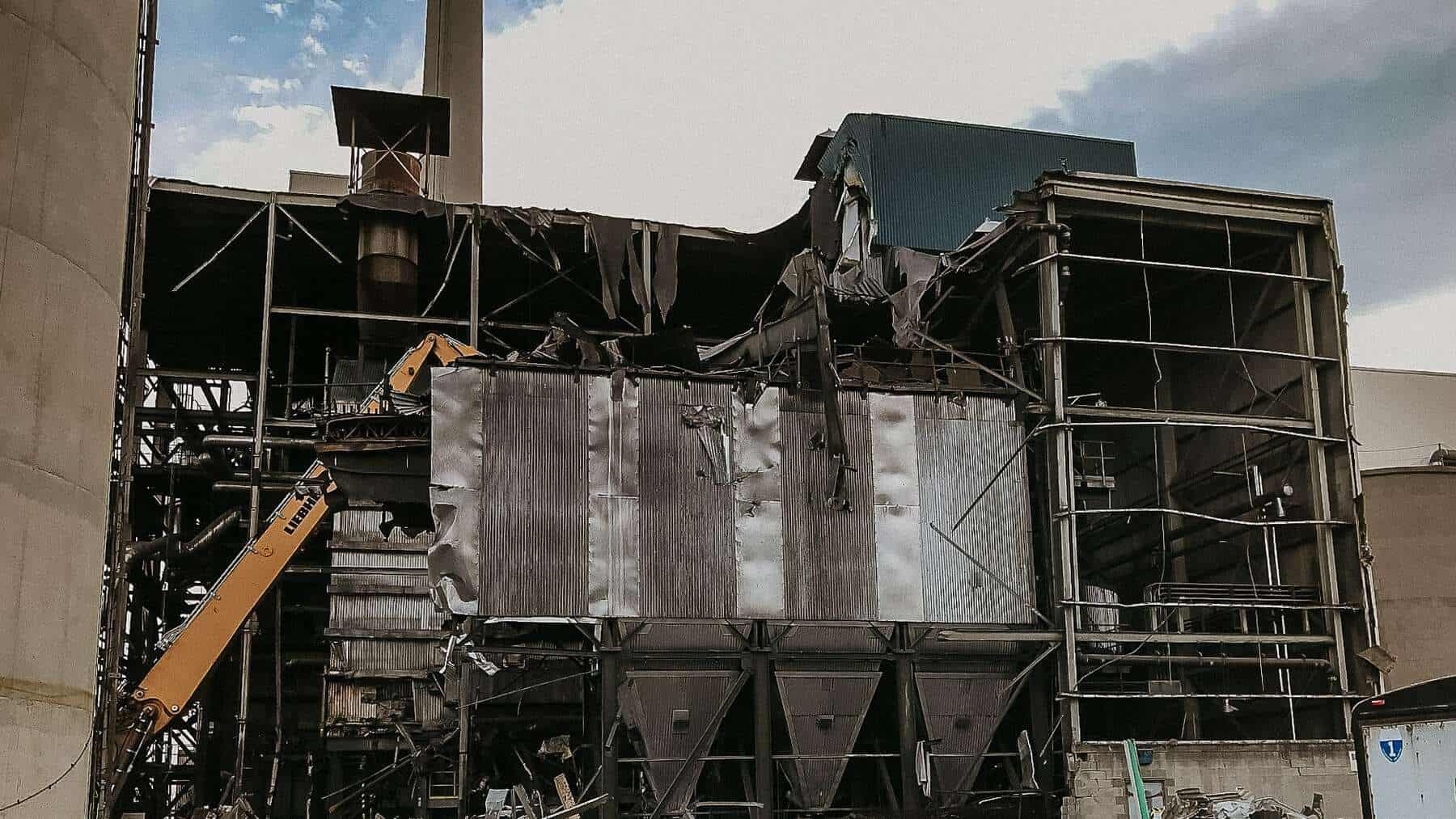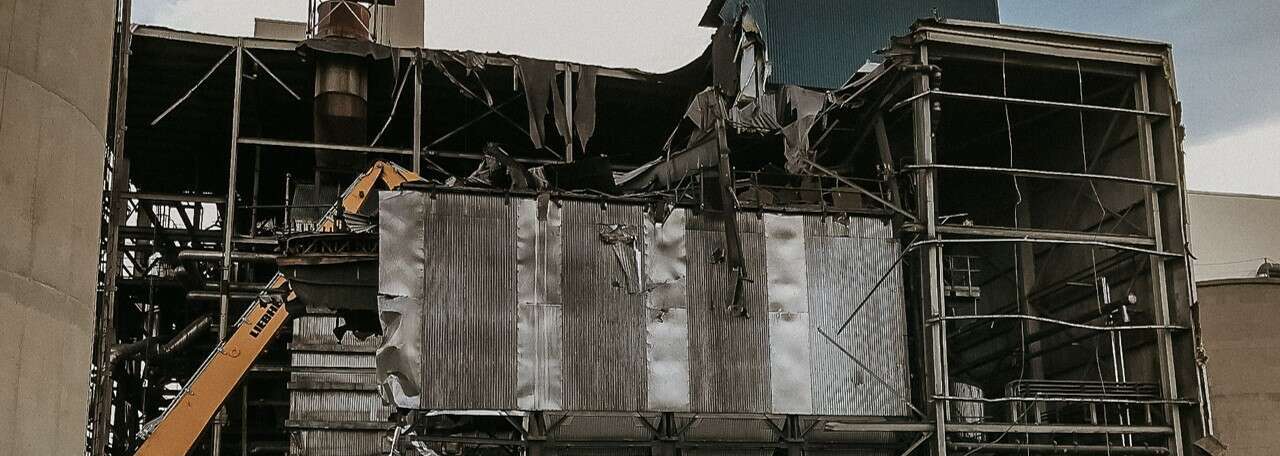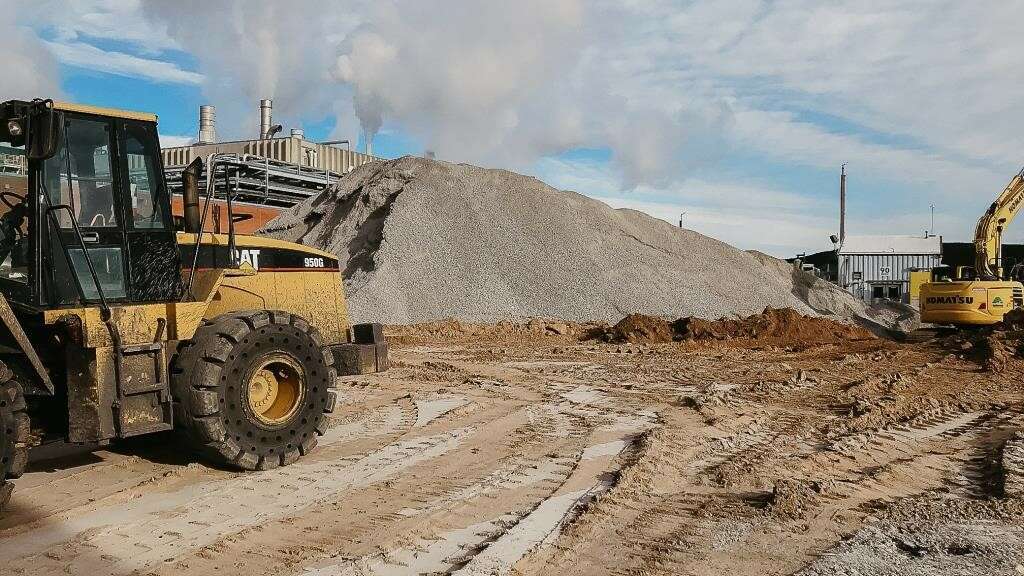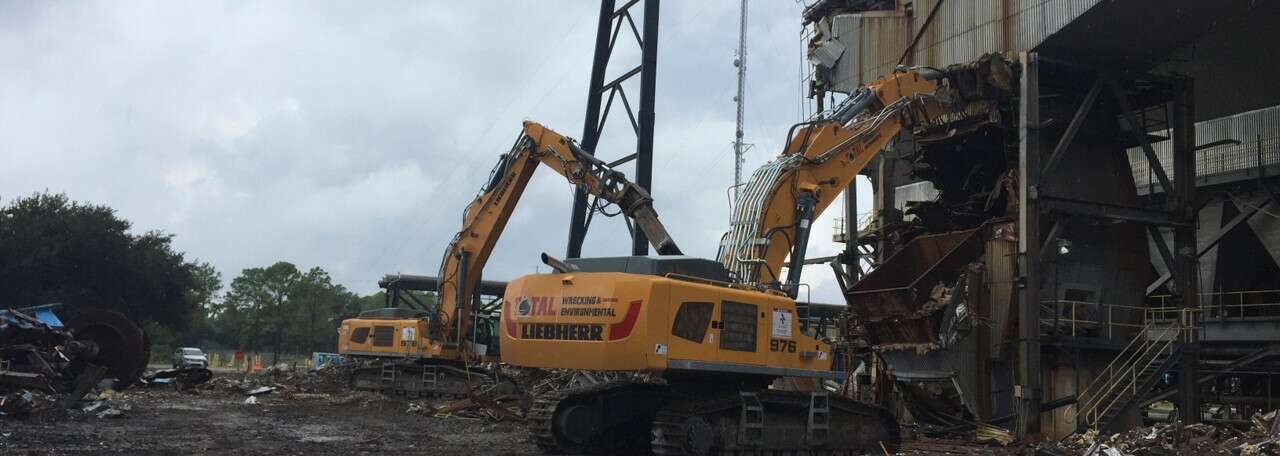
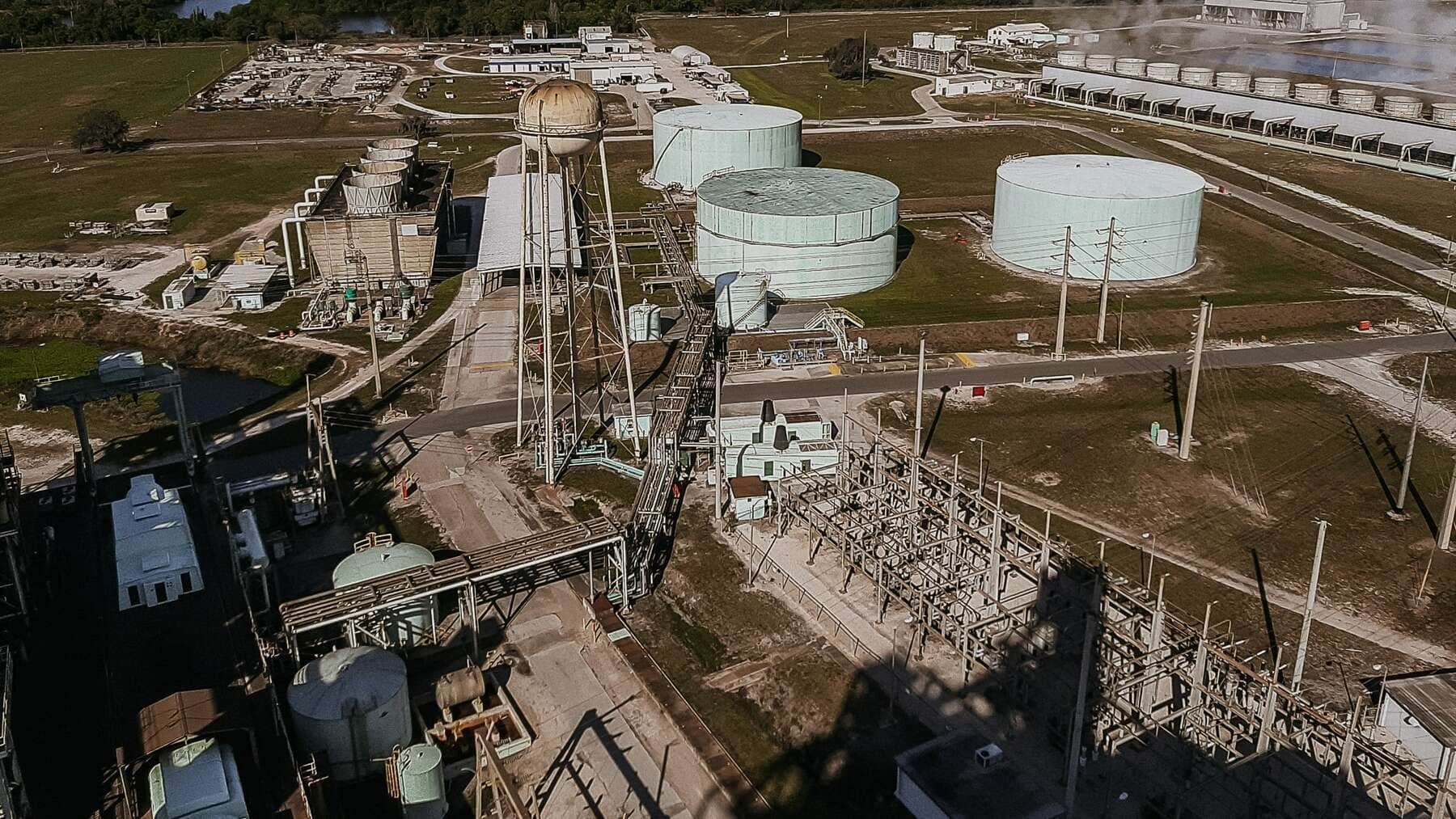
Total Wrecking PR Lakeland Power Plant

LAKELAND MCINTOSH POWER PLANT IN FLORIDA IS ONE OF OUR MOST AMBITIOUS INDUSTRIAL DEMOLITION PROJECTS YET

Total Wrecking & Environmental is no stranger to massive industrial demolition projects that span multiple years and require specialized crews of uniquely certified experts. As a matter of fact, itโ€™s these types of projects that have become their forte. From the Jacksonville Electric Authority (JEA) Project demolition of 2 massive cooling towers that produced a whopping 1634 megawatts to 2015โ€™s New York State Fairgrounds demolition that saw the demolition of the iconic grandstand along with 11 massive building structures, demolition projects of monumental scale and surgical expertise is the Total Wrecking brand.

The Lakeland McIntosh Power Plant in Florida, like all industrial demolition projects, has plenty of unique challenges, hazards, and complexities that require surgical precision from the industryโ€™s most qualified and experienced professionals. As the project gets underway in Lakeland during the summer of 2022, the process that ultimately led to Total Wrecking being awarded the project is just as interesting โ€“ and important โ€“ as the work that lies ahead.

In the post below, experts on the ground leading the project inform everything from how they won the bid, the most pressing challenges as work commences, and the massive (and admittedly exciting) industrial demolition work that lies ahead during the 1.5 โ€“ 2 year project timeline.

EARNING (NOT โ€œWINNINGโ€) THE BID

Thereโ€™s a toxic commonality across the industrial demolition industry, as well as construction (both residential and commercial) as a whole: chasing the lowest bid for the sake of earning additional work. This practice almost always comes at the expense of either A) safety, B) time, or C) professionalism. Contractors, sadly, will cut corners โ€“ even at the risk of their own employees โ€“ if it means they can earn the lowest bid and ultimately the project itself.

Rather than โ€œchase the bottom,โ€ Total Wrecking & Environmental leadership worked hard to earn the trust of power plant leadership by offering an unparalleled level of transparency. They submitted an extensive safety record, for example, that provided verified historical data that showed their steadfast commitment to safety at the highest possible level. This collection of documents proved they had safely completed a long list of projects at a similar level, all without incident and well above baseline OSHA requirements.

They also provided a sprawling project history document, with immense detail about the wide breadth of industrial demolition projects completed since their inception in 2013. From asbestos abatement, environmental remediation, asset recovery, recycling, dismantling, and everything in between, this document proved there was no demolition-related challenge that Total Wrecking hadnโ€™t already safely completed.

Lastly, and after site walkthroughs and weeks of reading and digesting every piece of documentation about the McIntosh Power Plant site, Total Wrecking delivered a detailed strategy document, explaining exactly how they would tackle the project and in what order. This included thoughtful and well-studied information about projected timelines, sequence of tasks, and potential hazards along the way.

With these critical elements in-hand, leadership at McIntosh Power Plant knew that Total Wrecking and Environmental was the most qualified contractor for the immense job ahead.

GETTING STARTED

Like every industrial demolition project, this one began with a multi-week mobilization of crew and equipment to the jobsite. The equipment mobilization itself requires careful planning, as many of these pieces are so immense that routes with sufficient width and elevation need to be predetermined to avoid road-related delays.

Similarly, because crews will live locally over the course of the project, comfortable and nearby housing needs to be found and secured in order for the hundreds of on-site workers to be settled throughout their years of work completing the demolition.

When work commenced in May 2022, the first weeks of the project were dedicated to asset recovery in order to identify any valuables that could be sold for profit. This included metals, pieces of equipment, reusable parts, and so forth that could be scrapped for cash or sold to other third-party buyers.

In fact, this was a predetermined element of the project that helped earn Total Wrecking the project in the first place: identifying, salvaging, and ultimately selling scrap parts at a shared profit. The 80/20 asset recovery split on this project would net McIntosh Power Plant up to $1.2 million, a tremendous savings that was agreed upon before Total Wrecking even broke ground.

Total Wrecking leaves no stone unturned when it comes to reusing and recycling every piece of material possible. In early weeks, theyโ€™ve even gone so far as to strip protective copper coating from one of the unitโ€™s wirings, a process that not only underlines their commitment to environmental sustainability but also provides an early revenue stream to the client.

THE INDUSTRIAL DEMOLITION AHEAD

All of Total Wreckingโ€™s efforts over the next 1.5 โ€“ 2 years are centered around the safe and comprehensive abatement, remediation, decommissioning, and demolition of 3 massive coal-fired units that have been in operation at the McIntosh Power Plant for more than 40 years.

Unit 1, the smallest but last undertaking of Total Wreckingโ€™s full-project timeline, is a 90-megawatt generator that used to burn oil until it was converted into a natural gas generator later in its lifecycle. This is in fact the smallest of the 3 units that Total Wrecking is dismantling over the course of the project.

Unit 2 is noticeably larger, both in power generation and overall footprint within the jobsite. It consists of 4 short stacks that form a relatively neat, compact rectangular shape. This unit is a dual-fuel generator that clicks in an impressive 114.7 megawatts steam turbine that is powered by oil or natural gas. As powerful and efficient as it may have been in its heyday, a dangerous explosion back in May of 2017 led to its full decommissioning. Now, itโ€™s Total Wreckingโ€™s responsibility to see that itโ€™s safely dismantled and disposed of to make way for the next generation of power creation.

Unit 3 is the real prized pony of the entire project. Considered by both Total Wrecking contractors and McIntosh Power Plant leadership to be the โ€œmothershipโ€ of the power station, this 360-megawatt coal-fired behemoth dwarfs the output and footprint of the other two units.

Unit 3 consists of 13 separate short stacks that consume more space than an entire football field, as well as a smaller two-stack building that towers over many of the other units throughout the site. Altogether itโ€™s a sprawling, gargantuan structure that can be seen all the way from the far shores of the neighboring Lake Parker. This massive unit operated for over 40 years, helping supply power to hundreds of thousands of residents within Lakeland Florida, before its decommissioning this spring in April 2022.

WORKING ON AN ACTIVE POWER PLANT

The crucial element to keep in mind is that Total Wrecking is dismantling just one portion โ€“ albeit a sizable and significant portion โ€“ of an otherwise very active power plant. The sensitivity and care needs to be maintained throughout the entirety of the project to ensure their work does nothing to interfere with the rest of the active power plant.

For example, a switch yard adjacent to the massive Unit 3 will remain operational after Total Wreckingโ€™s services are complete. Given itโ€™s less than a stoneโ€™s throw away from the football-field-sized unit that will be demolished, Total Wrecking is using some creative thinking and impressive demolition strategy to employ a large double pipeline as a barrier.

In its past life, this pipeline played a pivotal role in carrying water to the cooling towers, but will now maintain the switch yardโ€™s safety while Unit 3โ€™s demolition is carried out. Once Unit 3 is in fact demolished, Total Wrecking will then proceed with dismantling the pipeline and restoring the surrounding site to its normal working state.

CONCLUSION

This project is unprecedented in its scope and complexity, requiring a tremendous amount of resources, specialized crew members, and surgical planning to ensure the project is completed safely, on-time, and within the financial parameters agreed upon.

Total Wrecking has already completed a long list of monumental power plant demolition projects, as well as dozens more chemical plants, paper mills, manufacturing facilities, urban high-rises, and everything in between. Throughout their many years of business, they have proven that operating with safety, integrity, quality, and family at the forefront are the greatest distinguishing factors.

โ€œI appreciated the ease in dealing with the Total Wrecking team, both in the field and Administratively. Total Wreckingโ€™s willingness to accommodate changes and overcome unseen challenges kept the project running smoothly. The manner that they operated in was safe, effective and efficient. Quandel Construction would like to express our confidence in Total Wrecking and our desire to work with their team on future projects.โ€

Shawn Edmonds
Project Superintendent , Quandel Construction Group
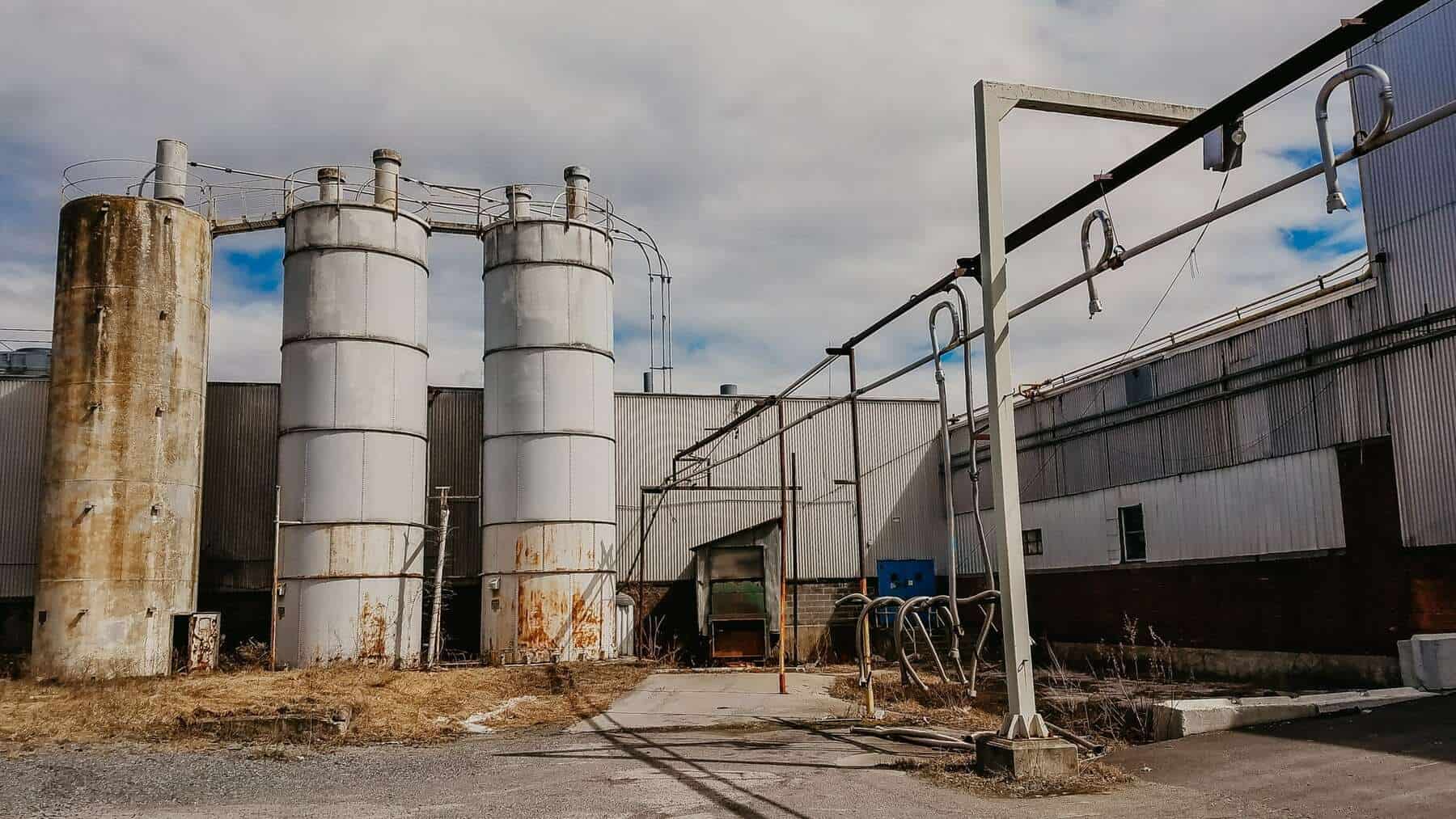
Total Wrecking WESTROCK, VA

KEY METRICS/TAKEAWAYS

  • Project Scope: Demolition of a 21,000 sq. ft. Rail Dock and a 126,000 sq. ft. two-story brick and concrete building

  • Historic Structures: Careful handling of 100-year-old yellow pine beams and columns

  • Safety Considerations: Ongoing safety protocols and daily reminders

  • Environmental Impact: Asbestos and PCB removal, plus dust and debris control

  • Asset Recovery: Salvaging historic wooden beams and columns for reuse

OVERVIEW

Total Wrecking & Environmental took on the demolition of the WestRock Old Bag Mill in Hodge, LA. The project included dismantling a 100-year-old two-story brick and concrete building, as well as a 21,000 sq. ft. Rail Dock.

The job was especially sensitive because:

  • The old structures needed to be separated from four adjacent active buildings

  • The buildingโ€™s foundation had to remain intact for future redevelopment

  • Historic yellow pine beams and columns required preservation during demolition

As with all of their projects, Total Wrecking balanced environmental safety, asset recovery, and surgical dismantling in a complex, active industrial setting.

CHALLENGES

Beam Removal

The removal of century-old beams presented one of the greatest hurdles.

  • Standard demolition equipment like shears or grapples risked destroying the delicate wood.

  • To preserve them, the team used specialty rotating grapples that allowed precise handling and placement.

  • Many beams showed signs of rot or damage. Each piece had to be carefully sorted to determine what could be salvaged.

  • The process was time-consuming and required additional space, manpower, and planning.

Asbestos Removal

Given the buildingโ€™s age, asbestos was found in insulation and construction materials.

  • Total Wrecking created a comprehensive removal plan that followed strict environmental rules.

  • Containment and air filtration systems were installed to prevent fiber release.

  • Continuous air monitoring ensured worker and environmental safety.

  • Once abatement was complete, final clearance testing confirmed the site was ready for demolition.

Local Hiring

Finding skilled labor locally was another major challenge.

  • Many workers lacked experience with specialized demolition equipment or handling historic materials.

  • This led to constant hiring, training, and turnover.

  • The cycle created delays and added complexity to the overall project timeline.

Trucking Constraints

The projectโ€™s remote location made trucking resources scarce.

  • Only one local trucking company was available in Hodge, LA.

  • Scheduling conflicts and limited availability slowed progress.

  • Specialized loads, like asbestos or recyclable steel, often faced delays.

PROCESS & HIGHLIGHTS

Despite these obstacles, Total Wrecking introduced several solutions that ensured success:

  • Specialized Equipment: Rotating grapples preserved the value of 100-year-old yellow pine beams.

  • Efficient Sorting: A detailed material management process separated items for recovery, recycling, or disposal.

  • Strict Safety & Environmental Standards: Comprehensive asbestos removal and dust control measures minimized environmental impact.

  • Stakeholder Collaboration: Regular communication with WestRock and other partners kept the project on schedule and addressed issues quickly.

WestRock employees expressed appreciation for the professionalism and expertise demonstrated by Total Wrecking throughout the project. Even those not directly involved recognized the teamโ€™s commitment to safety, precision, and respect for the siteโ€™s historical and environmental considerations.

โ€œIt is without reservation that I recommend Total Wrecking and Environmental for any future projects requiring their specialized services. I am confident that their expertise and professionalism will continue to bring success to any project they are involved in, and I look forward to having them back for our future projects.โ€

Eric Taylor
General Manager – Westrock Hodge, LA

Total Wrecking LG&E PROJECTS CANAL STATION, ZORN & PADDYโ€™S RUN

INTRODUCTION

Total Wrecking & Environmental prides itself on its industrial demolition expertise, demonstrated in three projects undertaken for the Louisville Gas & Electric (LG&E) power station in Kentucky.

These separate but equally complex projects included hazardous and PCB waste removal and surgical demolition tasks, each of which required a sophisticated understanding of industrial demolition processes. The successful execution of these highly-technical projects, all for the same client, is a testament to Total Wrecking & Environmentalโ€™s commitment to ensuring its clients experience minimal disruption and maximum satisfaction throughout the entire process.

Below, weโ€™ve broken down each of these projects and job sites in Louisville, Kentucky that Total Wrecking has had the exciting privilege of working on over the last two years. Although they all fall within the greater LG&E umbrella, each project presented unique challenges for Total Wreckingโ€™s expert demo team to identify, strategize, and ultimately overcome.

CANAL STATION

Canal Station is a coal-powered plant located within 200 feet of the rushing Ohio River. Total Wrecking completed this extremely sensitive and complex project, which required a long list of specialized crews and equipment to safely complete, in early 2022.

Canal Station was the most time-consuming and complex of the LG&E projects. For example, the basement underneath the turbines was approximately 50 feet deep, well below the water table and the river 200 feet away. All in all, this extensive project spanned nearly two years and required close coordination with the Army Corps of Engineers from top to bottom.

The Canal Station project had two massive and competing challenges, the first of which was widespread asbestos within effectively every part of the structure. The main structure had deteriorated over more than a decade, and asbestos had contaminated just about everything in its path. As with all projects, the entire building had to be decontaminated and remediated before any demolition work began.

Metal siding wrapped around the entire structure contained both PCBs and asbestos. All of Canal Station, for that matter, was contaminated inside, and surrounded by corrugated panels that contained both asbestos and PCBs.

The presence of asbestos meant that it was of utmost importance that any and all water was protected from contamination. Thatโ€™s one thing when youโ€™re 200 feet away from one of the biggest rivers in the country. Itโ€™s another thing when a massive flood wall system โ€“ including sheet piling filled with concrete, tunnels, and foundational walls โ€“ that extends up to 50 feet underground is already leaking and further deteriorating, threatening further intrusion.

Which brings us to challenge #2: the ever-present threat of water intrusion and complex water management. Throughout the asbestos abatement phase, Total Wrecking asbestos contractors had to ensure every drop of water was carefully protected from contamination. Anything that did come into contact with asbestos had to be filtered and discharged immediately, a constant throughout the entire project.

Being 200 feet from the Ohio River meant massive flood wall systems needed to be preserved, even though the river was actively attached to structures that TWE was demolishing. Upon TWEโ€™s arrival onsite, there were already active water leaks in the tunnels, roof membranes, foundation walls, and other deteriorated areas, all of which needed to be filtered and discharged while preventing further contamination.

Divers on-site had to dredge out intake tunnels to construct bulkheads. Intake and discharge tunnels had to be filled with flowable fill to avoid flooding from the neighboring river. Tunnels that connected the river to these buildings had to be sealed to prevent water intrusion or flooding. There were also numerous cracks in the foundation and constant groundwater concerns that made water filtration management the biggest challenge of the whole project.

Once these demolition experts sealed walls, closed off tunnels, and plugged roof drains, they could move forward with abatement and PCB remediation.ย The headlining structure for demolition was a massive power block with a four-turbine hydro or coal-powered generator and two large hung boilers. There was also a small screen house, a quonset hut, an electrical building, and specific floodwall sections that had to be carefully dismantled and removed.

The basement was later backfilled with imported tunnel stone and recycled concrete from the project. Around 95-96% of materials on Canal Station were recycled, less than TWEโ€™s proud average of 98-99% in light of the heavy contamination.

ZORN

Total Wrecking and Environmentalโ€™s expert team of commercial demolition contractors spent several months demolishing a large turbine within an extremely limited space, requiring a multi-step process of removing the foundation and carefully dismantling a massive, multi-ton turbine.ย The Zorn project, located immediately adjacent to a historical and iconic water tower owned and actively operated by the cityโ€™s water department, had a relatively small footprint compared to Canal Station.

Zorn is the water departmentโ€™s main area of operation, and the turbine site was simply being leased from them by LG&E. This meant that the entire area around Zorn was fully operational, and that the historical water tower had to be very carefully preserved.ย On top of that, the area surrounding the jobsite had just been freshly paved, which meant crews had to be very careful not to disrespect the plantโ€™s proud cosmetic changes.

The main character in this demo was a large, single-engine turbine to be demolished both above and below grade, as well as its switchgear and an 80-foot transmission tower. The entire lot occupied no more than 1600 square feet, giving demo crews extremely limited space to work, on top of needing to be sensitive to active operations and water department heads working nearby.

Like most projects, Zorn included the removal of asbestos, PCB caulking, and PCB coating on wires throughout the site. Burners helped surgically dismantle the turbine, excavators helped clear the foundation beneath it, and managers helped ensure none of their precarious work interfered with the ongoing operations of the active plant.

Thereโ€™s a twist thoughโ€ฆ that 80-foot transmission tower was literally bigger than the jobsite itself.ย The jobsite occupied such a confined space that there was initially nowhere to fell the 80-foot transmission tower. As a result, demolition contractors first dismantled, demolished, and cleared the entire turbine and area immediately around it. Then, they felled the transmission tower right into the space they had been working in!

Talk about a tiny bullseye (and some serious demolition ingenuity) to get this job done safely and on time!ย Their ability to conduct such an intricate task with impeccable results is a testament to Total Wreckingโ€™s technical precision and excellence.

PADDYโ€™S RUN

Paddyโ€™s Run was a sister unit to Zorn with the same type of turbine elsewhere on the LG&E plant. On paper the job was essentially the same, minus the transmission tower. Asbestos abatement and PCB removal also made appearances.

What makes Paddyโ€™s Run unique is its location, which is inside an LG&E-owned facility that remained fully operational. LG&E operations werenโ€™t on this active jobsite, per se, but remotely located across the plant and connected by an active switchyard . . . which was on the Paddyโ€™s Run jobsite.

As a matter of fact, TWE was about 10 feet away from this active switchyard and its live buss. This meant there was a massive web of overhead electrical lines above many of the active work areas throughout the project.

The other curveball was the timeline. Just as TWE finished the Zorn project in October 2021, LG&E made the decision to demolish Paddyโ€™s Run by the end of the year. By the time the project was negotiated and green lit at the end of October, TWE was ready to dive in the first week of November.

This obviously left very little time after required permits and notifications, and posed a time challenge that Total Wrecking refused to let interfere with safety or integrity. Leveraging sophisticated demo planning and coordination, TWE was able to complete the job from A to Z in 6 weeks, a full 3 weeks early from the already accelerated timeline.

The main project objective at Paddyโ€™s Run is the removal of a massive combustion turbine that sits about 10 feet away from an active switchyard, an active electrical unit that each crew member needs to be acutely aware of at all times. Beyond that, the demolition of the turbine required careful dismantling and removal of each piece that was then shipped off-site.

Once the turbine was handled, the team moved on to dealing with the area around it. This meant removing the foundations, backfilling with stone or recycled concrete, and dealing with any other asset recovery or waste removal tasks around the turbine.

There were also separate air handling units (massive duct work, essentially) that was connected to the demolished unit, so these also needed to be carefully demolished.

All industrial demolition projects come with the challenge of managing large amounts of industrial scrap. In order to minimize environmental impact and make good use of any reusable or valuable elements, wire strippers remove all the reusable or valuable elements on-site, and any remaining steel is processed before being sorted for recycling.

These concerted efforts led to over 98% of all materials generated from demolition being recycled or reused.

CONCLUSION

Time and again, Total Wrecking proves why weโ€™re one of the best in the business. With commitment to safety and integrity, people who work with us have the peace of mind knowing theyโ€™re working with one of the most qualified, storied, and safest contractors anywhere in the U.S.

If youโ€™re in need of an industrial demolition company, look no further than Total Wrecking & Environmental. We have extensive experience with projects of all sizes, as demonstrated by our work at the LG&E power station in Kentucky. Plus, we always put safety first. Contact us today to get started on your next industrial demolition project.


โ€œTotal Wrecking & Environmental was instrumental in accomplishing all of the coordination and performance of the work necessary to have a safe and successful project. Total Wrecking performed the work flawlessly, in a timely manner and within the budget the City established for this project. The City of Mansfield, Ohio looks forward to working with your firm again on future demolition and environmental projects as they arise.โ€

Tim Bowersock
Director of Economic Development โ€“ Mansfield, Ohio


Total Wrecking MARYLAND BRADDOCK MEDICAL CAMPUS

THE CHALLENGE:

The Allegany High School Replacement Phase I โ€“ Site Preparation project was the first stage of the overall project of building a new state of the art High School Facility that would consolidate all of the High Schools in Allegany County Maryland into a single facility. The site chosen for the new school was the former Braddock Medical Complex in Cumberland, Maryland. The complex consisted of several buildings ranging from 2-7 stories in height. The largest of the structures was the 7 story Sacred Heart Hospital building. Previously unidentified PCB caulking with concentrations in excess of 100,000 parts per million was identified within the cavity of 10โ€ deep โ€œtongue and grooveโ€ type exterior concrete spandrel panels at the very start of the demolition of the structure.

THE SOLUTION:

Fortunately, Total Wreckingโ€™s experienced General Superintendent noticed the material and halted demolition immediately, thus preventing the contamination of nearly 48,000 tons of concrete that was being crushed on site for reuse. After receiving the environmental consultantโ€™s recommendation and estimated cost of $1,500,000 the Owner, Frank Bodami tasked his environmental team to come up with a cost effective solution to this unplanned situation. Total Wrecking and Environmentalโ€™s team went to work which ultimately paid off.

THE RESULTS:

The plan put together was approved by all regulators and government agencies which enabled total to provide an end cost for under 500,000 which ultimately saved over a million dollars to the owner.ย This is a perfect example of โ€œThe Total Difference.โ€


โ€œTotal Wrecking worked diligently to complete the project within budget, with a minimum of change orders. I often sought their advice as issues were discovered throughout the demolition. An example of which is the discovery of PCB containing sealants on the exterior panels of the original building. Having experienced similar conditions on previous projects the Total Wrecking team was familiar with the federal regulations, abatement procedures, and disposal requirements. They made every effort to minimize the cost while meeting all of the governing regulations.โ€

Vincent Montana
Director of Facilities, Board of Education of Allegany County


Total Wrecking NEW YORK NEW YORK STATE FAIRGROUND

THE CHALLENGE:

We faced a significant and multifaceted task at a New York State site. Our primary objective was the comprehensive removal of existing structures, including the iconic New York State Grandstands. The project scope extended beyond demolition, encompassing the removal of 11 additional buildings, the original site track, and a complex network of utilities โ€“ from water mains and gas lines to HVAC systems. A critical aspect of our role also involved the abatement of any hazardous materials encountered. All this was to be achieved within a strict 9-week deadline and under a $5 million budget cap, presenting a substantial challenge in both time management and resource allocation.

THE SOLUTION:

Total Wrecking & Environmental approached this project with a blend of strategic planning and operational excellence. For the grandstand demolition, we employed the implosion method, supplemented by a fleet of specialized equipment to ensure efficiency and safety. We worked closely with Local Unions, leveraging their expertise to enhance our operational capacity. This collaboration proved vital in self-performing the varied tasks of abatement, utility removal, and structural demolition. The project was a race against time, demanding rapid adaptation to daily design changes. Our team’s agility and proactive problem-solving enabled us to continually refine our approach, optimizing performance while adhering to the project’s financial guidelines. This dynamic and responsive strategy was instrumental in maintaining our commitment to the client’s needs and project objectives.

THE RESULTS:

The outcome was a resounding success. Total Wrecking met the ambitious 9-week deadline, delivering a comprehensive demolition and clearing the way for the next phase of development. Our commitment and expertise led to a profitable completion for both us and our client. We not only removed the old structures and utilities but also managed the successful implosion of the grandstands, all while installing a new, functional stormwater system. The project stands as a testament to our ability to tackle complex challenges efficiently and effectively, ensuring client satisfaction and project success.


โ€œTotal Wrecking & Environmental was instrumental in accomplishing all of the coordination and performance of the work necessary to have a safe and successful project. Total Wrecking performed the work flawlessly, in a timely manner and within the budget the City established for this project. The City of Mansfield, Ohio looks forward to working with your firm again on future demolition and environmental projects as they arise.โ€

Tim Bowersock
Director of Economic Development – Mansfield, Ohio

Total Wrecking ASSET RECOVERY

ABOUT THE COMPANY:

The facility was originally built in the 1950s. Over time, it suffered multiple leaks and broken pipes in its heat transfer system. These failures released PCB-containing oil, which contaminated the surrounding concrete.

When APG acquired the site, they inherited these serious challenges, even though they were not responsible for the original contamination.

The project involved highly dangerous materials, including:

  • RCRA lead hazardous waste

  • Widespread TSCA-level PCB contamination

  • Category I non-friable asbestos waste

Each material required strict compliance with demolition, transportation, disposal, storage, and worker safety regulations.

To complicate matters further, demolition occurred inside an active manufacturing plant. Production continued in attached buildings, with active rail tracks still in use.

Total Wrecking had completed other projects with similar hazards for companies like General Electric. Still, every job is unique, and this site presented distinct challenges. Phase one was planned for 10 months, with phase two scheduled to last six months beginning in early 2024.

THE CHALLENGE:

The main building was massiveโ€”five stories tall and spanning two football fields. Its heat transfer piping system extended over 10 miles and contained PCB oils. Every floor showed evidence of contamination.

Key obstacles included:

  • Delicate heat transfer system: The system used boilers and PCB oils to heat products. Although switched to T-66 oil in the 1980s, residual PCBs remained stuck to pipe walls.

  • Asbestos management:
    – Mastic on roof panels had to be separated and landfilled in a TSCA-approved site.
    – Pipe gaskets containing asbestos required cutting and removal without disturbing the material.

  • Shared structures: Neighboring buildings were attached and shared walls with the demolition site. Crews had to separate structures without disrupting ongoing operations.

  • Active rail lines: Raw materials and finished products still moved in and out of the facility, adding another layer of complexity to the demolition plan.

THE SOLUTION:

The APG project was broken into carefully planned steps.

  • Oil recovery: Work began in November 2022 with the removal of oils from the 10-mile piping system. Timing was critical. PCB-contaminated T-66 oil solidified in cold weather but became liquid when warm, creating a risk of leaks.

  • Hazardous material removal: Crews addressed lead-based paint, asbestos, and PCB-contaminated debris.

  • Strategic demolition: Total Wrecking dismantled the structure down to the concrete slab, which would be handled in Phase II.

  • Cost savings: Careful segregation of uncontaminated steel allowed recycling, generating up to $3 million in shared revenue for APG and Total Wrecking.

  • Problem solving: Unforeseen residual oils were discovered in pipes, which could have prevented landfill disposal. The team identified and removed all free liquids, ensuring proper waste management.

THE RESULTS:

Total Wrecking helped APG create a clear demolition timeline and a performance-based disposal plan.

Highlights of the outcome:

  • Five months of oil removal reduced contamination risks.

  • Shared walls and active operations remained untouched and safe.

  • Waste was safely segregated and disposed of in compliance with all regulations.

  • Millions in uncontaminated scrap metal were salvaged to offset project costs.

Despite the presence of PCBs, asbestos, lead paint, and complex regulations, the project was completed safely, efficiently, and cost-effectively.

With deep expertise in hazardous demolition, Total Wrecking proved to be the go-to partner for power plant owners, engineers, and industrial managers who need complex demolition handled with precision and care.


โ€œI appreciated the ease in dealing with the Total Wrecking team, both in the field and Administratively. Total Wreckingโ€™s willingness to accommodate changes and overcome unseen challenges kept the project running smoothly. The manner that they operated in was safe, effective and efficient. Quandel Construction would like to express our confidence in Total Wrecking and our desire to work with their team on future projects.โ€

Shawn Edmonds
Project Superintendent , Quandel Construction Group