
Total Wrecking Blog Urban Demolition Done Right

KEY TAKEAWAYS

  1. Urban demolition requires precision, planning, and strict environmental control.
  2. Total Wrecking specializes in selective demolition for tight, high-traffic environments.
  3. Projects are completed discreetly and safely, with minimal disruption to surrounding operations.
  4. The DEQ case study highlights Total Wreckingโ€™s ability to work in sensitive, regulated sites.
  5. Every job is engineered for safety, compliance, and community continuity.
  6. Total Wrecking delivers clean, controlled results that prepare sites for what comes next.

INTRODUCTION

Demolition in urban environments isnโ€™t just a matter of tearing down, itโ€™s a matter of control. Every move affects something: the surrounding structures, utilities, air quality, and even the daily rhythm of the community nearby. At Total Wrecking & Environmental, that complexity is the job.

Whether dismantling part of an active campus facility or clearing space within a tight downtown footprint, the team approaches each project like a surgical operation, balancing engineering expertise, environmental responsibility, and operational discretion to complete work safely and without disruption.

A NEW ERA OF URBAN DEMOLITION

As cities grow and evolve, demolition projects are moving into more complex and densely developed spaces. College campuses, government facilities, and downtown business districts all present unique challenges, limited space, tight schedules, and strict safety and environmental requirements.

When hospitals, jails, and even aging shopping centers are also reaching the end of their useful lives, there is a demand for highly specialized demolition expertise.

In regions, where redevelopment is surging, these projects require a demolition partner that can perform with precision and minimal community impact.

Thatโ€™s where Total Wrecking excels. With decades of experience managing high-profile, urban demolition projects, the company approaches every job with the same core priorities: safety, professionalism, and minimal disruption.

PRECISION WORK IN TIGHT, SENSITIVE ENVIRONMENTS

In an urban environment, every move counts. Surrounding structures, traffic patterns, and active utilities demand controlled and ultra selective methods, not brute force.

Total Wreckingโ€™s selective demolition services are designed for exactly these conditions. The team uses engineered sequencing, advanced machinery, and strict environmental controls to isolate and remove specific structural components without affecting adjacent areas.

From noise mitigation and dust suppression to traffic coordination and debris management, every step is planned to ensure the community continues operating normally while the work gets done safely behind the scenes.

In older downtown areas or near critical facilities, vibration monitoring protects dated underground tunnels, utilities, and piping systems. Dust and water screens prevent airborne debris from leaving the project footprint, and wind screens or HVAC protection are installed where necessary to safeguard surrounding structures. Every plan also accounts for buried infrastructure like fiber optics and sewage raceways, unseen elements that require careful attention to prevent disruption.

PROFESSIONALISM AND DISCRETION IN ACTION: THE DEQ CASE STUDY

One of Total Wreckingโ€™s recent projects with a Department of Environmental Quality (DEQ) facility showcased the companyโ€™s ability to work discreetly in an active and regulated setting.

The job required maintaining strict environmental standards while performing selective demolition inside an occupied site, a scenario where precision and professionalism were critical.

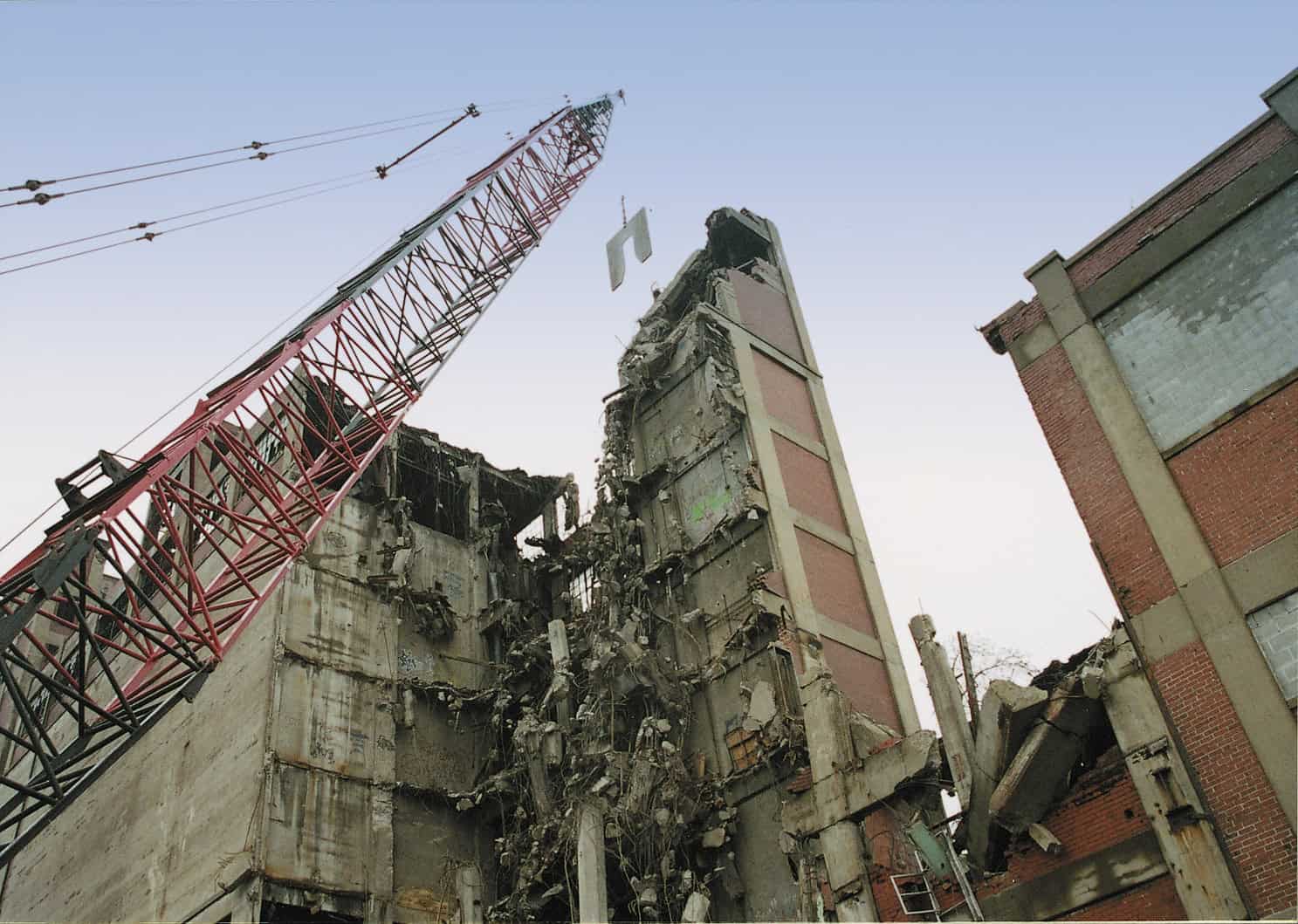
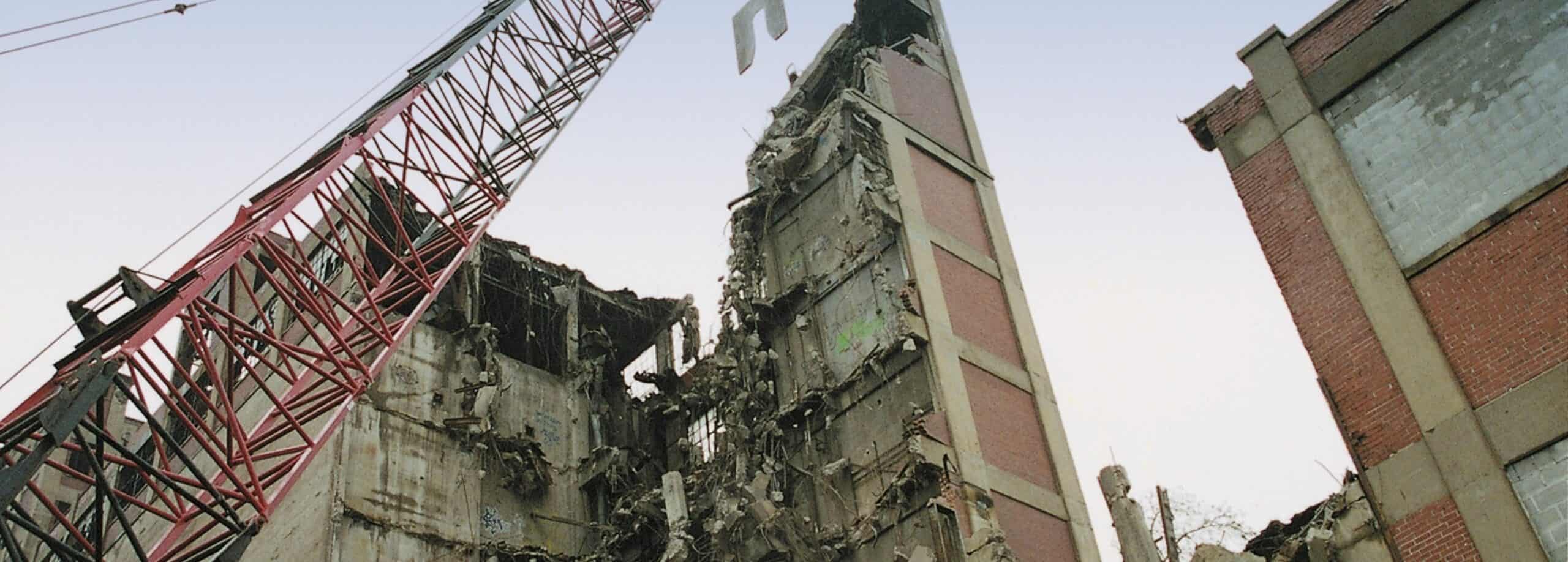
When the Oklahoma Department of Environmental Quality (DEQ) needed its seven-story parking structure demolished in downtown Oklahoma City, Total Wrecking & Environmental delivered precision in one of the most sensitive environments imaginableโ€ฆ right beside DEQโ€™s active headquarters and across from the National Memorial & Museum.

Working under Lingo Construction, the team stabilized the compromised structure with emergency bracing and protection systems before dismantling it using Brokk robotic demolition units and a Komatsu 490 UHD high-reach excavator.

Every move was engineered to limit vibration, noise, and disruption to ongoing DEQ operations.

With real-time cameras, drones, and TWEโ€™s proprietary tracking app, progress and safety were continuously monitored, while Dust Boss suppression and adaptive recycling kept the site clean and compliant.

Despite citywide events, tight access, and severe weather, the team finished on time, on budget, and without a single safety incident, recycling over 7,000 tons of material with a 99.997% recovery rate.

As Lingo Constructionโ€™s Project Manager noted, Total Wrecking โ€œrapidly adjusted means and methodsโ€ to overcome every obstacle, proving once again that expertise and professionalism define how complex urban demolitions get done.

Projects like these also highlight Total Wreckingโ€™s commitment to open communication and community respect, keeping stakeholders informed and minimizing disruption to the people and properties nearby.

EXPERT EXECUTION FOR COMPLEX URBAN PROJECTS

Every urban demolition comes with unique constraints, tight access, active utilities, and strict environmental standards. Total Wreckingโ€™s success lies in its ability to plan and execute within those limits.

Using 3D modeling, engineered sequencing, and digital project tracking, the team maps every move before a single wall comes down.

For high-risk or limited-access sites, Brokk robotic demolition units are deployed for pinpoint removal without vibration or collateral damage. High-reach excavators with custom attachments handle taller structures, while precision shears and hydraulic grapples control material separation on the ground.

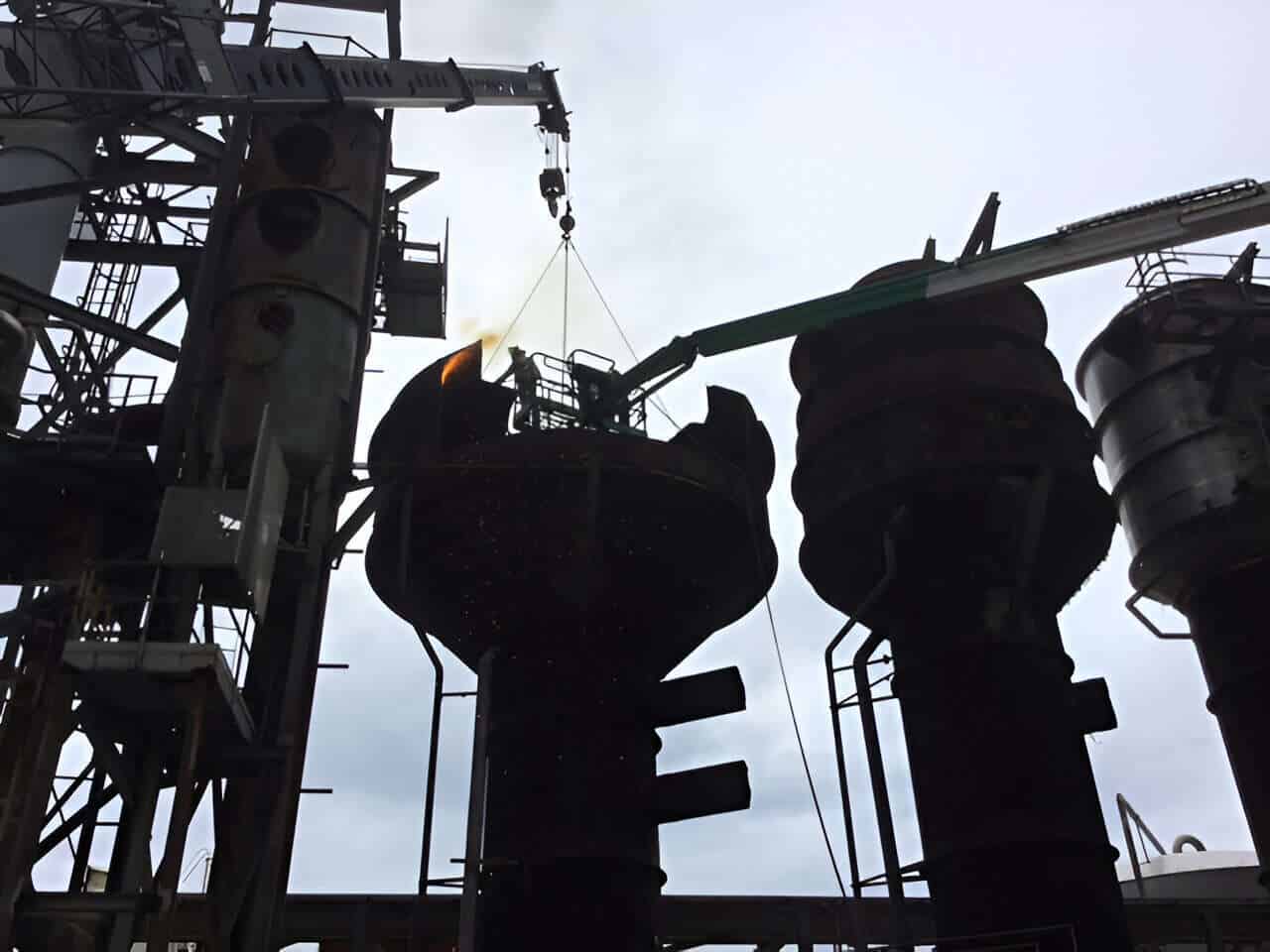
For larger or high-rise structures, Total Wrecking also utilizes a proprietary crane-suspended demolition device, designed and engineered in-house for controlled felling within confined urban or campus settings. This proprietary innovation provides greater control than conventional wrecking methods and reinforces the teamโ€™s reputation for technical excellence.

Every phase is coordinated through live site data, ensuring efficiency, safety, and minimal disruption to nearby operations.

TRANSFORMING SPACES, RESPECTING SURROUNDINGS

Total Wreckingโ€™s selective demolition approach prioritizes sustainability and continuity as much as structural precision. Dust Boss suppression systems maintain air quality, while adaptive debris handling and recycling protocols routinely achieve industry-leading recovery rates above 99%.

The teamโ€™s focus isnโ€™t just on removing whatโ€™s there, itโ€™s on protecting what surrounds it. Whether separating mechanical systems inside an active lab or dismantling a faรงade inches from pedestrian zones, Total Wrecking ensures work happens quietly, cleanly, and responsibly, setting the stage for safe redevelopment and long-term community improvement.

That commitment starts long before demolition begins. Early conversations with local residents, businesses, and public agencies help manage expectations, establish trust, and ensure that everyone understands the demolition plan, a key reason Total Wrecking is known for creating โ€œraving communitiesโ€ as much as successful projects.

LEARN MORE

Every project Total Wrecking takes on is guided by its โ€œFour Pillarsโ€ philosophy:

Raving employees, Raving owners, Raving vendors, and Raving communities.

These pillars define how the company measures success: not just by what comes down, but by the positive impact left behind. By treating each city like its own, Total Wrecking ensures employees perform better, clients are more satisfied, and communities feel genuinely cared for.

Explore Total Wreckingโ€™s selective demolition services and view their project portfolio to see how they bring precision and professionalism to every urban demolition challenge.

Total Wrecking Blog Comprehensive Guide to Site Utility Management During Demolition

KEY TAKEAWAYS

  1. Proper site utility management is essential for a safe demolition environment.
  2. Physical verification prevents reliance on outdated drawings and assumptions.
  3. Shutdowns must be confirmed, documented, and legally compliant.
  4. Utility oversight continues throughout demolition, not only before it starts.
  5. Full documentation protects owners and accelerates the construction phase.
  6. Choosing an expert demolition partner eliminates costly post-demo surprises.

INTRODUCTION

Before any demolition equipment arrives on-site, utility management must be executed with precision. Every utility servicing a structure, whether electric, gas, water, sewer, storm, or telecom, must be located, secured, and documented to prevent safety incidents, cost overruns, and schedule delays.

Total Wrecking ensures that utilities are controlled through a structured plan that protects workers, surrounding infrastructure, and the future construction phase.

THE ROLE OF UTILITIES IN DEMOLITION

Demolition appears simple from the outside: equipment takes down a structure and debris is cleared away. In reality, it is one of the most highly engineered phases in the lifecycle of a property.

Beneath every foundation and behind every wall is a network of live infrastructure designed to support the building, and potentially, surrounding properties.

ย Electricity can arc in an instant. Gas under pressure can ignite without warning. Water and sewer lines can rupture and flood excavations or contaminate soil.

Mismanaged utilities are among the leading causes of demolition accidents and emergency shutdowns. For clients and general contractors, the value of comprehensive utility control often becomes clear only when something goes wrong.

Total Wrecking prioritizes this step so owners never experience the costly consequences of shortcuts. Safe utility isolation is the foundation that allows the demolition phase to proceed confidently and without disruption.

UTILITY DETECTION AND VERIFICATION BEFORE WORK BEGINS

Long before a bucket touches brick, Total Wrecking conducts a complete utility survey. Historical drawings, as-builts, and municipal records are reviewed, but the most reliable information comes from physical verification.

Older buildings, especially those in dense urban areas or on shared campuses, commonly include undocumented lines, abandoned services, or unexpected utility reroutes made over decades.

Our assessment determines exact entry points, utility depths, shared service connections, and the condition of infrastructure leaving the structure. Coordination begins early with each service authority to confirm responsibilities, isolation requirements, and expected lead times for disconnects and inspections. These early communications drive schedule predictability for the entire project.

The planning approach looks beyond what utilities need to be shut down. It also analyzes which temporary essential services must remain to support demolition itself. Lighting, dust suppression water, power for monitoring equipment, and fire protection may remain active, but only under strict protective oversight. Every decision here impacts safety and efficiency throughout the project duration.

EXECUTING UTILITY SHUTDOWNS WITH ZERO-ASSUMPTION CONTROLS

Shutting off utilities is not a single action due to each system requiring specialized handling.

Gas lines must be purged before cutting and capping to eliminate residual fuel. Electrical systems require meter removal in addition to lock-out procedures and physical isolation to guarantee de-energization.

Water systems must be shut down and drained to prevent uncontrolled releases.

Fire suppression must remain coordinated with safety authorities until the final stages of preparation.

No shutdown is considered complete until it is documented and confirmed by the responsible authority. Itโ€™s a collaborative effort involving utility providers, inspectors, and the demolition team. Every cap, every isolation valve, every locked panel is inspected and recorded. The goal is to eliminate uncertainty. In demolition, โ€œwe think itโ€™s offโ€ is never acceptable.

ACTIVE OVERSIGHT THROUGHOUT STRUCTURAL DEMOLITION

Utility management does not end once the building is dark and dry. Temporary power and water remain essential on many sites, and utilities buried beneath an active demolition zone must be consistently protected and monitored. Ground movement, heavy loads, and shifting debris can expose, rupture, or re-energize hazards.

Total Wrecking incorporates daily verification into field operations. Operators are informed where utilities remain live, even if fully protected. Any site condition changes, like the discovery of previously unknown services, trigger immediate updates to the utility management plan.

Continuous oversight prevents surprises and ensures that the conditions established during pre-demo planning remain accurate through the final day of site clearing.

DOCUMENTATION CLIENTS CAN TRUST

Total Wrecking provides owners and general contractors with complete deliverables that confirm utilities have been safely and legally controlled:

  1. Verified utility mapping showing actual field conditions
  2. Approved isolation and shutdown confirmations from every provider
  3. Records of protection for all temporary and retained services
  4. Inspection reports and photographic evidence for capped and abandoned lines
  5. Final turnover documentation defining what remains and where future trades must proceed with caution

These documents serve as both safety record and liability protection, supporting permitting, insurance compliance, and the smooth transition to construction.

CONCLUSION

One of the greatest advantages of expert utility management is how it accelerates the next phase of development. When the new construction team arrives, they receive a complete picture of below-grade conditions, utility availability, and necessary future adjustments.

A clean turnover prevents wasted time excavating blindly or discovering active utilities only after equipment hits them.

Total Wreckingโ€™s proactive approach ensures clients do not inherit the consequences of poor record-keeping or incomplete handoffs. If a utility line must be relocated or upgraded to support the new design, that need is identified during demolition, not weeks later when foundations are already in progress.

Total Wrecking Breaking Down Complexity: How Total Wrecking Demolishes Paper & Pulp Mills with Precision and Care

INTRODUCTION

Demolishing a paper or pulp mill is no ordinary project. These large industrial facilities bring the same complexity seen in many commercial and industrial demolition jobs โ€” hazardous materials, intricate machinery, and strict environmental rules.

But these projects are more than tearing down structures. They represent opportunities to apply specialized expertise, technological innovation, and advanced safety and sustainability practices.

UNDERSTANDING PAPER & PULP MILL DEMOLITION

Paper and pulp mills are complex, housing:

  • Heavy machinery

  • Interconnected infrastructure

  • Potentially hazardous materials

Before work begins, Total Wrecking performs comprehensive assessments. These evaluate structural integrity, environmental risks, and the presence of contaminants like asbestos and chemicals. Thorough evaluations ensure safety, efficiency, and regulatory compliance at every level.

UNIQUE CHALLENGES IN DEMOLISHING PAPER & PULP MILLS

Several factors set these demolitions apart:

  • Hazardous Materials: Asbestos, lead, and chemical residues spread across large facilities require specialized abatement.

  • Heavy Machinery: Equipment such as presses, digesters, boilers, and kilns must be dismantled carefully for reuse or safe disposal.

  • Structural Complexity: Interconnected buildings and load-bearing frameworks demand phased, strategic demolition.

  • Environmental & Safety Risks: Dust, debris, and chemical residues create hazards for workers and surrounding communities.

ENVIRONMENTAL CONSIDERATIONS & MITIGATION STRATEGIES

Total Wrecking adopts a proactive approach to limit environmental impact:

  • Pre-Demolition Assessments: Hazardous materials are identified early, with mitigation plans developed before work begins.

  • Hazardous Material Abatement: Certified teams remove asbestos and toxic chemicals safely, with strict containment practices.

  • Dust & Air Control: Water suppression, dust agents, and real-time monitoring protect workers and nearby communities.

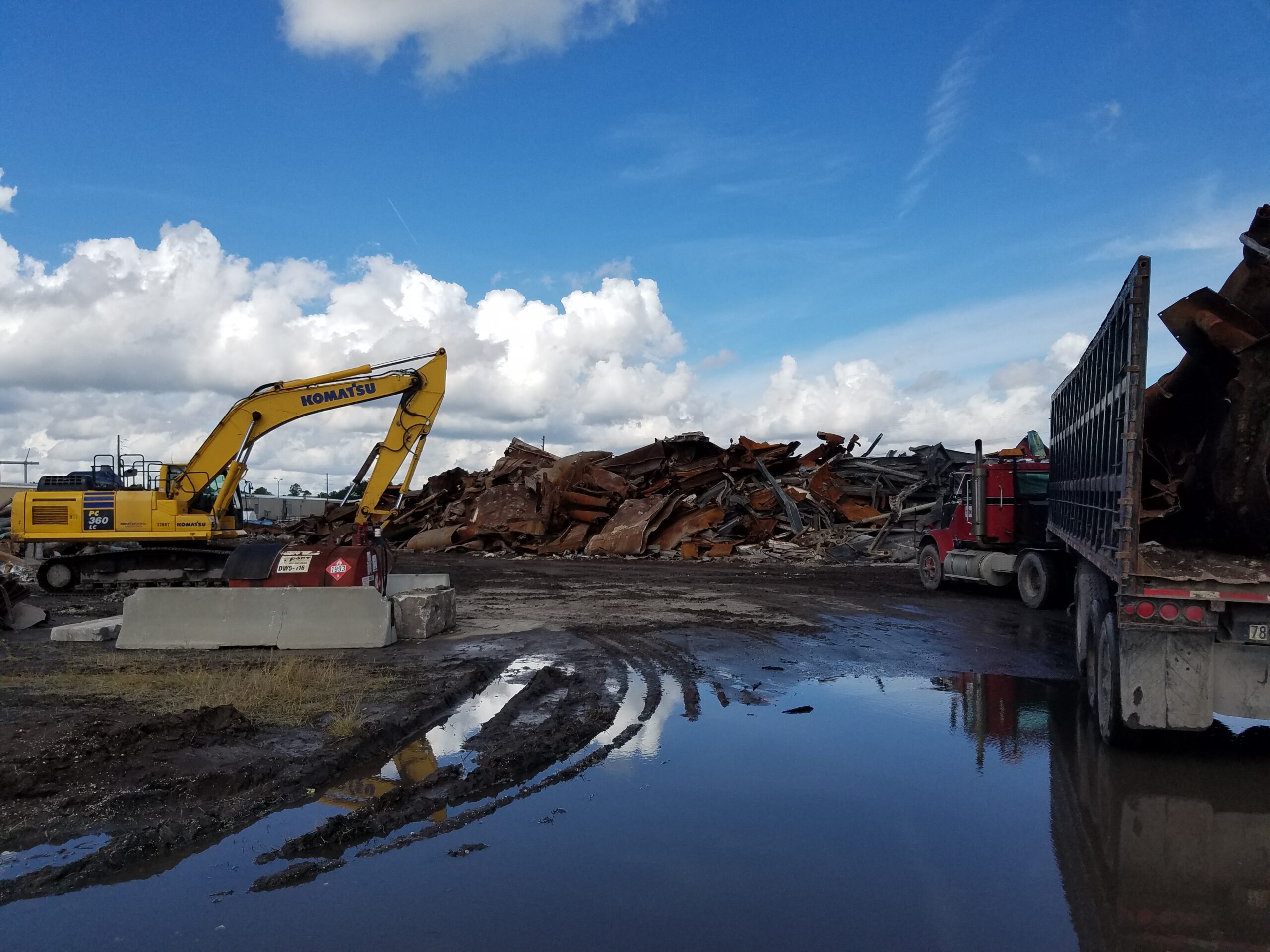
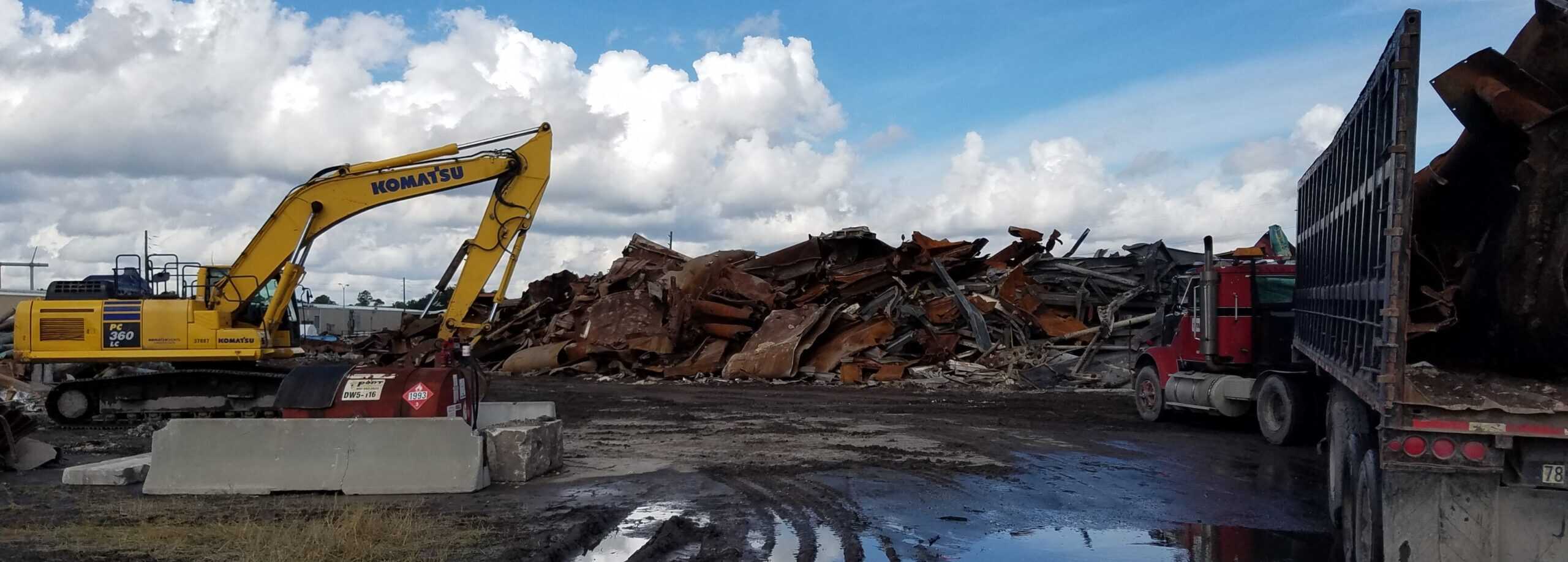
  • Waste Management & Recycling: Steel, concrete, and wood are separated for reuse, while hazardous materials are isolated for safe disposal.

  • Water & Soil Protection: Barriers and drainage systems prevent contaminated runoff from spreading

PROJECT MANAGEMENT: A TAILORED APPROACH TO COMPLEXITY

Managing a paper mill demolition requires careful planning and coordination. Total Wrecking focuses on:

  • Detailed Pre-Planning: Risk assessments and contingency plans for hazards like chemical spills or structural failure.

  • Specialized Equipment Coordination: Cranes, attachments, and remote-controlled excavators used for safe, precise dismantling.

  • Phased Demolition: Breaking projects into manageable stages minimizes risk and adapts to unexpected challenges.

  • Stakeholder Communication: Transparent updates keep clients, consultants, and subcontractors aligned throughout the process.

SAFETY PROTOCOLS: PROTECTING PEOPLE & THE ENVIRONMENT

Safety is a top priority. Key protocols include:

  • Hazardous Material Handling: Strict PPE and guidelines for asbestos and chemicals.

  • Controlled Equipment Removal: Certified riggers and specialty lifting equipment prevent accidents.

  • Structural Sequencing: Controlled demolition prevents sudden collapses.

  • Confined Space Work: Continuous atmospheric monitoring for tanks and pipes.

  • Emergency Preparedness: Real-time audits, on-site safety coordinators, and robust response plans.

CASE STUDY: THE HODGE, LA PAPER MILL PROJECT

The WestRock Old Bag Mill demolition highlights Total Wreckingโ€™s capabilities:

  • Timber Salvage: Historic beams and columns were carefully dismantled for reuse.

  • Asbestos Management: Non-friable asbestos roofing was removed under strict protocols.

  • Logistical Constraints: Planning allowed demolition to proceed despite limited access and active nearby operations.

  • Outcome: The project finished on time and within budget, with lessons learned improving future salvage, logistics, and safety strategies.

TECHNOLOGICAL INNOVATIONS & COST MANAGEMENT

Technology plays a key role in efficiency and safety:

  • Drones: Used for surveys, hazard identification, and real-time progress tracking.

  • Remote-Controlled Equipment: Reduces human exposure in hazardous areas while improving precision.

  • Project Management Software: Digital platforms streamline scheduling, audits, and cost tracking.

LOOKING TO THE FUTURE: SUSTAINABILITY & THE CIRCULAR ECONOMY

Total Wrecking is committed to sustainable practices, including:

  • Maximizing Recovery: Recycling steel, wood, and other valuable materials.

  • Reducing Environmental Impact: Meeting or exceeding stringent standards for demolition waste.

  • Adapting to Regulations: Staying ahead of evolving federal, state, and local compliance requirements.

CLIENT COLLABORATION & CONCLUDING THOUGHTS

From planning through cleanup, Total Wreckingโ€™s approach is defined by collaboration, transparency, and performance. Clients benefit from strategies tailored to their facilities, supported by a proven record of safe, efficient, and sustainable demolitions.

Paper and pulp mill demolitions are some of the industryโ€™s most complex projects. By combining planning, technology, safety, and sustainability, Total Wrecking continues to set new standards for demolition excellence.

Total Wrecking Building a Legacy of Giving

INTRODUCTION

When you think of demolition, the image that might come to mind is one of powerful machines, epic plumes of dust, and towering structures crumbling to earth. But for Total Wrecking, thereโ€™s another layer to the storyโ€”one that builds up communities and people, not just structures. This is a story of giving, woven into the companyโ€™s fabric, reaching far beyond the boundaries of business and into the heart of the communities they serve.

The inspiration for Total Wreckingโ€™s charitable endeavors comes from a very personal place. Frank, one of the founders, recalls a pivotal experience early on with a local food bank that planted the seeds for the company’s philanthropic mission.

Today, it continues to drive the teamโ€™s passion for helping those who need it most.

A PERSONAL MISSION THAT SPARKED A COMPANY-WIDE MOVEMENT

The roots of Total Wreckingโ€™s commitment to giving back are deeply personal and intertwined with the life experiences of its founders.

Frankโ€™s early life was marked by significant hardship, including a period when he had to rely on a food bank just to get by. During this time, he lived in a friendโ€™s attic, took odd jobs, and painted houses to make ends meet, which profoundly shaped his empathy and commitment to helping those in need.

Similarly, Sandyโ€™s story is one of perseverance and resilience. Her mother, an immigrant from Sicily, arrived in the U.S. alone at 18, with little knowledge of English and limited resources. She worked tirelessly in a candy factory to support herself and her daughters.

These experiences of overcoming adversity are at the heart of Total Wreckingโ€™s mission to support communities facing similar struggles. Frank and Sandy’s shared backgrounds of resilience continue to fuel the companyโ€™s philosophy of paying it forward.

EMPOWERING EMPLOYEES TO MAKE A DIFFERENCE

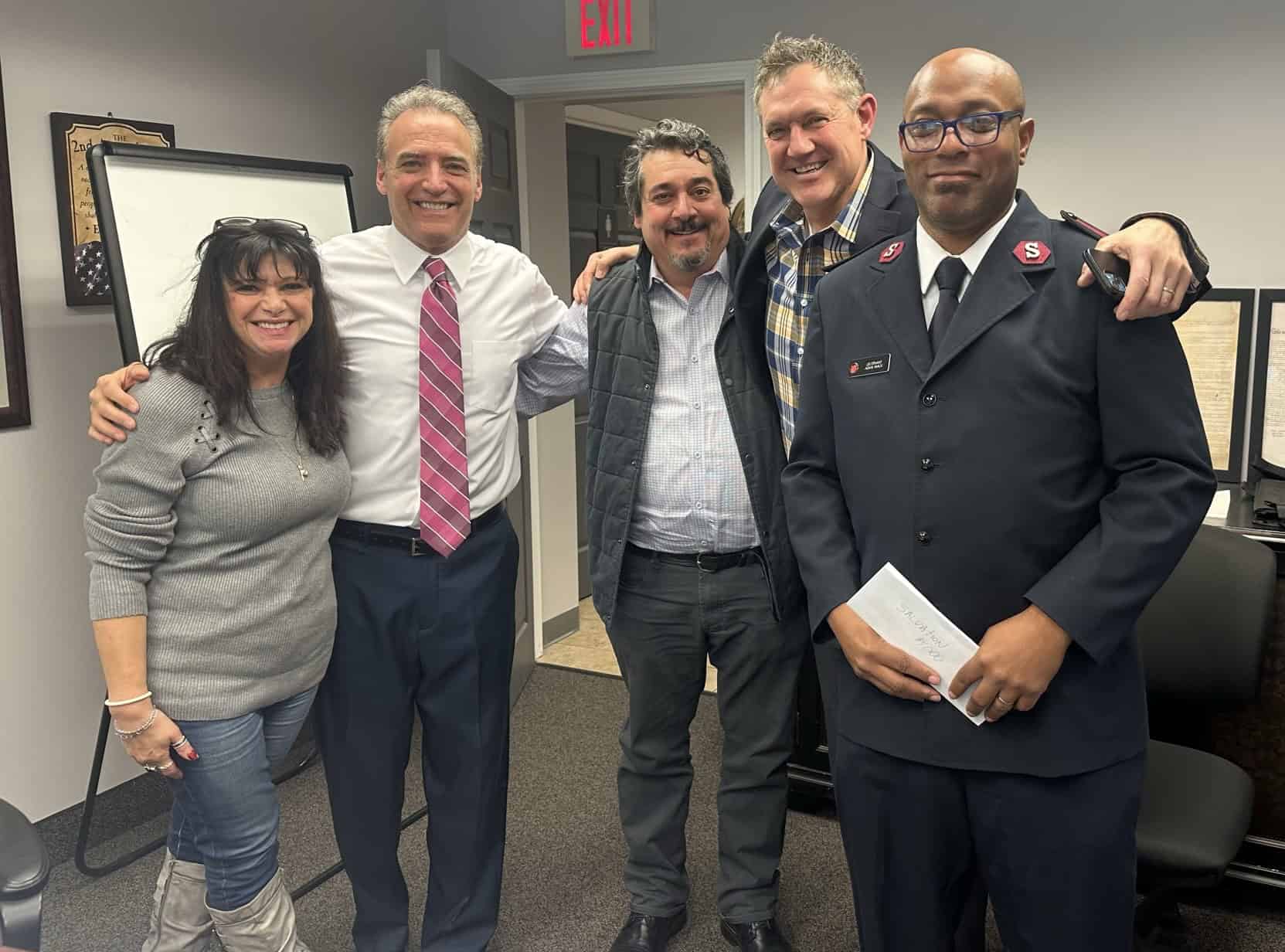
Total Wreckingโ€™s philanthropic efforts go beyond monetary donations. Recent initiatives, like their involvement in relief for Hurricane Helene, raised over $15,000 to support impacted communities through the organization Eight Days of Hope.

Just recently, Total Wrecking team members have been working directly on the ground in Florida and the Carolinas providing much-needed aid. Theyโ€™re also looking forward to annual holiday initiatives at the end of the year, such as creating care packages for elderly community members and involving the team in personal outreach so those in need get to experience genuine human connection during one of the most emotional periods of the year.

One of the things that makes Total Wreckingโ€™s charitable mission truly unique is its team-centered approach. Employees are active participants and drivers of change. Philanthropy at Total Wrecking isnโ€™t a top-down directive but a shared effort, with each team member playing a role in supporting their chosen causes. Employees have the opportunity to refer organizations for monthly donations, ensuring that the causes resonate on a personal level and align with the teamโ€™s values.

CHOOSING CAUSES THAT RESONATE

At the beginning of each month, Total Wreckingโ€™s leadership team sits down with employees to consider potential charitable organizations to support. Each suggestion is carefully reviewed, and the selection process is fully collaborative. The team considers a range of factors from the organizationโ€™s mission, its alignment with Total Wreckingโ€™s values, and the potential impact of their support.

Whether itโ€™s a local organization focused on helping veterans, a foundation working to end human trafficking, or a relief effort after a natural disaster, each cause is chosen with careful thought and empathy. By giving employees the freedom to advocate for causes close to their hearts, Total Wrecking fosters a spirit of community that goes far beyond the workplace.

By making the selection process personal, Total Wrecking ensures that each charitable act is not only meaningful but also emotionally resonant for the team.

IMPACT ON EMPLOYEES

The culture of giving at Total Wrecking has done more than support those in need; it has transformed the workplace itself. Employees describe a sense of pride in working for a company that prioritizes community impact, and many feel inspired to contribute personally as well. The charitable initiatives give them a chance to step back from their regular roles and engage with something bigger.

The sense of pride that comes from supporting meaningful causes has even led some employees to take on additional roles within charitable projects, such as coordinating volunteer activities or organizing fundraisers.

INSPIRING FUTURE GENERATIONS OF GIVERS

The internal culture fostered by these charitable activities, best conveyed by employees’ independent donations to supported causes after learning about them through company initiatives, reflects the ethos Frank and Sandy aim to cultivate: a team that embodies generosity, understanding that giving back is not just a corporate obligation but a way of life. The leadershipโ€™s choice to prioritize community impact sets an example for employees, showing that success is not only measured by business achievements but also by the positive change made in othersโ€™ lives.

In many ways, Total Wreckingโ€™s philanthropy serves as a call to action, encouraging employees, clients, and community members to think about the ways they can contribute to causes they care about. By embedding a culture of giving within their business, Total Wrecking is inspiring a ripple effect of compassion and generosity that reaches far beyond their immediate sphere.

TOTAL WRECKINGโ€™S ONGOING COMMITMENT

As they plan for the future, Total Wrecking is excited about the ongoing opportunities to give back, from their annual Christmas outreach program to continued support for causes close to their teamโ€™s hearts. For Total Wrecking, philanthropy is a core part of who they are, a testament to their values, and a source of hope for the communities they serve.

In the words of Sandy, โ€œItโ€™s not about what we can take down; itโ€™s about what we can build up together.โ€ For Total Wrecking, the true measure of success isnโ€™t just in projects completed or goals met; itโ€™s in the lives they touch and the legacy they create.

Total Wrecking Asset Recovery Services

INTRODUCTION

At Total Wrecking & Environmental, we take pride in our core values of safety, integrity, and family, while also being a nationwide leader in cost-efficient and environmentally responsible demolition.

One of the biggest ways we add value is through investment and asset recovery services. These ensure plant and building owners extract maximum return on decommissioned, surplus, or end-of-life assets.

By integrating recovery directly into our demolition projects, we help clients maximize ROI while protecting the environment.

WHAT IS INDUSTRIAL ASSET RECOVERY?

Industrial asset recovery is the process of identifying, evaluating, and strategically decommissioning surplus equipment, machinery, and materials from demolition sites.

The goal is not just removal but full monetization through resale, recycling, or repurposing. Examples include:

  • Reselling functional equipment

  • Salvaging scrap metals

  • Recycling or responsibly disposing of hazardous materials

Our Total Recovery Program combines decades of experience with a managed process that ensures every client gets the most value from their unused assets.

THE TOTAL WRECKING ADVANTAGE: EXPERTISE AND CUSTOMIZATION

Our demolition experts have worked across industries such as manufacturing, oil & gas, healthcare, construction, and mining. This experience allows us to create custom recovery strategies for each unique site.

Our comprehensive services include:

  • Asset Valuation: Market analysis and condition reports determine true value.

  • Marketing & Sales: Targeted strategies connect assets with buyers in private and international markets.

  • Decommissioning & Removal: Safe, efficient dismantling and transport.

  • Recycling & Disposal: Environmentally responsible handling of non-sellable or hazardous materials.

By covering every step, we deliver a seamless, profitable recovery experience.

INTEGRATION WITH DEMOLITION SERVICES

Demolition generates large volumes of salvageable materials. By integrating recovery into demolition operations, Total Wrecking ensures:

  1. Maximized Value โ€“ Assets are refurbished, resold, or recycled instead of discarded.

  2. Streamlined Processes โ€“ One contractor handles both demolition and recovery, keeping projects on time and budget.

  3. Sustainability โ€“ Scrap metals and other materials are diverted from landfills and reused.

All recovery efforts follow strict regulatory compliance and environmental standards.

A PROVEN, TRANSPARENT PROCESS

Clients benefit from a clear, accountable recovery system:

  1. Consultation โ€“ Define goals and strategy.

  2. Asset Evaluation โ€“ Assess value, condition, and resale options.

  3. Recovery Plan โ€“ Timeline, marketing approach, and projected outcomes.

  4. Execution โ€“ Logistics, marketing, removal, and sales.

  5. Final Report โ€“ Detailed summary of financial returns and environmental impact.

This step-by-step approach ensures maximum returns without delays or surprises.

INDUSTRIES AND APPLICATIONS

Our asset recovery services apply across a wide range of facilities, including:

  • Energy production plants

  • Automotive and manufacturing facilities

  • Transportation hubs

  • Healthcare and research complexes

  • Industrial warehouses and mills

Wherever there are assets to be recovered, Total Wrecking provides efficient, sustainable solutions.

WHY CHOOSE TOTAL WRECKING?

By combining demolition expertise with asset recovery strategies, clients receive:

  • Increased ROI through resale and recycling

  • Lower costs and downtime during demolition

  • Sustainability benefits that align with modern environmental standards

  • Comprehensive support from seasoned demolition professionals

CONCLUSION

Total Wrecking & Environmentalโ€™s asset recovery services set the standard for blending financial performance with environmental responsibility.

Whether youโ€™re planning a large-scale industrial demolition or seeking to recover value from unused equipment, our Total Recovery Program delivers proven results.

Contact us today to learn how we can help maximize the value of your project.

Total Wrecking Lakeland McIntosh Power Plant

INTRODUCTION

Total Wrecking & Environmental is a national leader in large-scale demolition, known for its focus on safety, efficiency, and integrity.

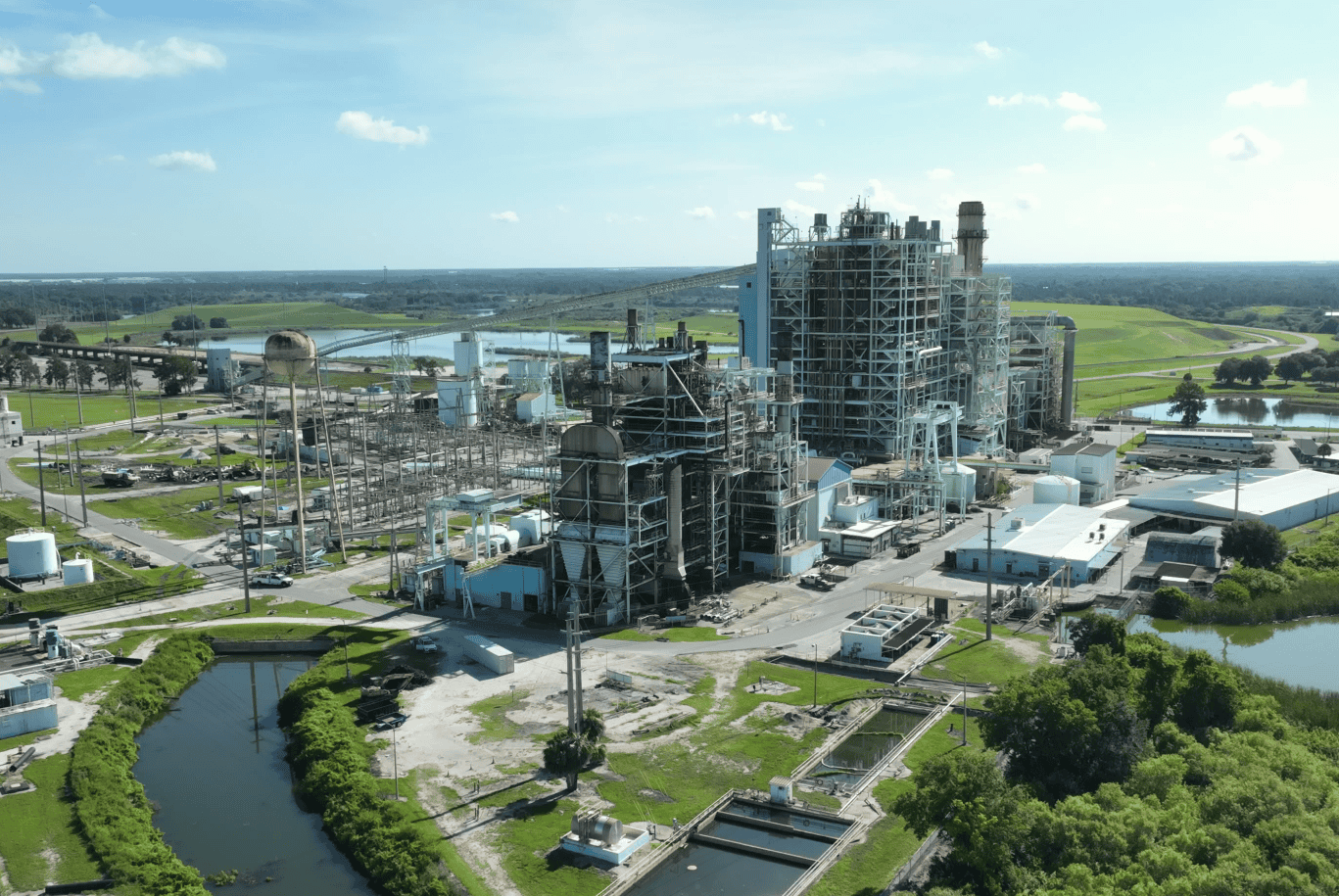
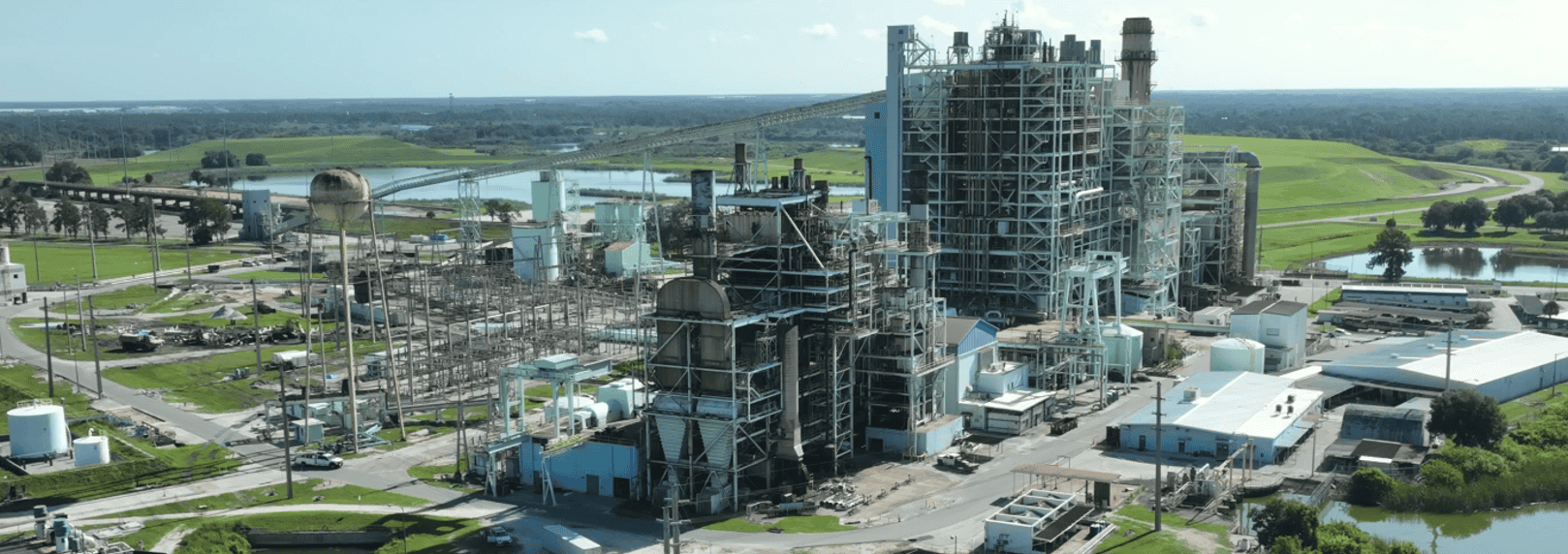
The Lakeland McIntosh Power Plant demolition was one of our most significant projects to date. Spanning multiple years, it involved dismantling three major boilers and associated structures.

The project achieved zero injuries and required navigating strict environmental regulations to protect local wildlife such as ospreys and eagles. Technical challenges demanded innovative approaches, including a specialized wrecking ball and carefully planned implosions to safely bring down towering structures.

PROJECT TIMELINE

  • May 2022: Site preparation and initial assessments

  • June 2022: Equipment mobilization and environmental protection setup

  • Nov 2022: Superintendent Steve Schafner and General Superintendent John Spaich join site leadership

  • Mar 2023: First boiler implosion completed

  • Aug 2023: Second major implosion executed

  • Feb 2024: Final implosion, including administrative buildings

  • June 2024: Debris removal, cleanup, and site handover to the City of Lakeland

PROJECT BACKGROUND

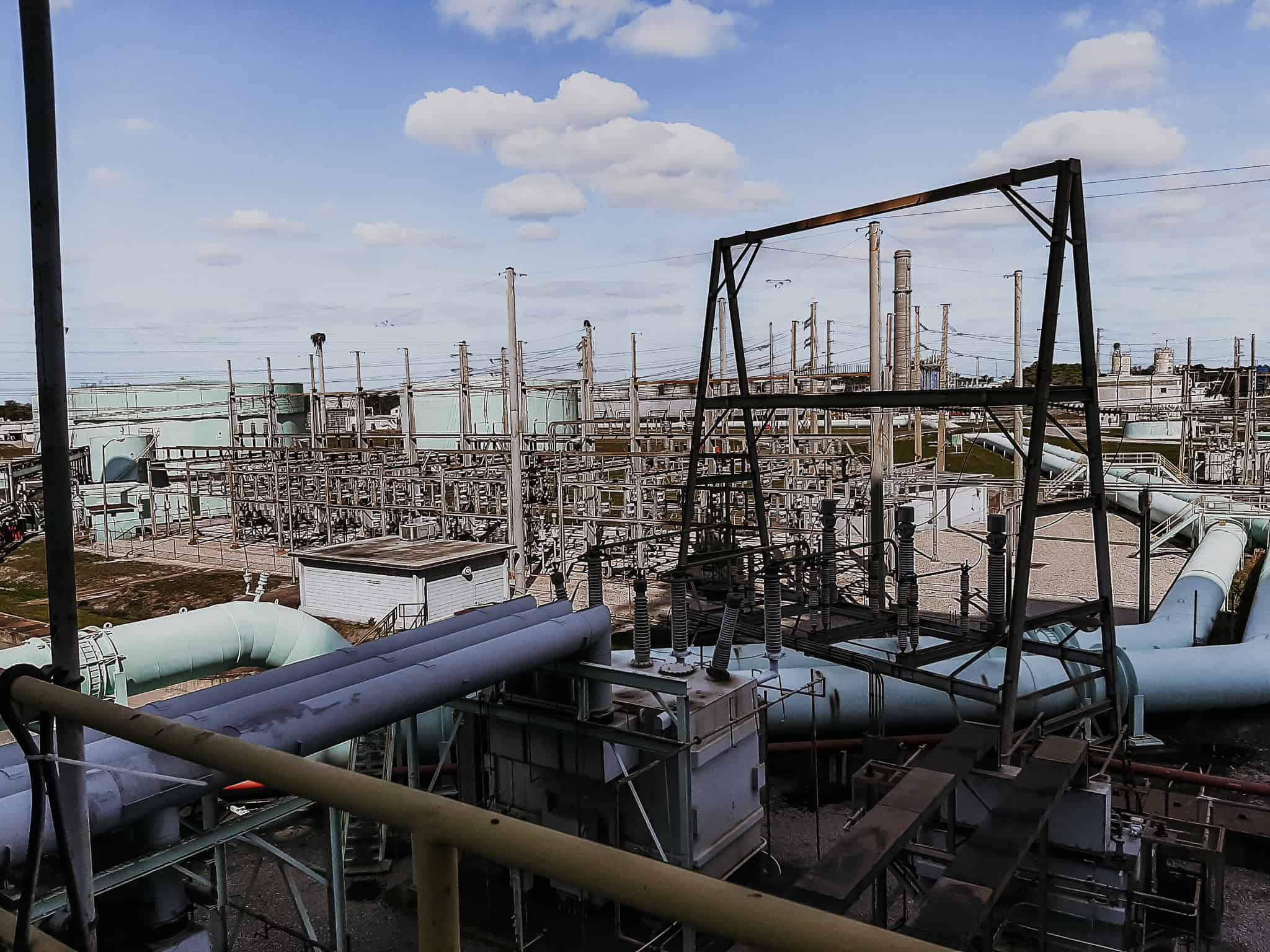
The Lakeland McIntosh Power Plant in Florida was a landmark facility supplying electricity to more than 200,000 residents and businesses.

Total Wreckingโ€™s scope included demolishing:

  • Three 600-megawatt boilers

  • Precipitators, scrubbers, ICRs, and transformers

  • Multiple administrative and auxiliary buildings, some reaching 13 stories

The work also required safe handling of hazardous materials throughout the process.

Over two years, the project was completed with:

  • Multiple controlled implosions

  • Use of a 32,000-pound slingshot gravity pendulum (adapted from a previous project)

  • High-reach demolition machinery for safe top-down dismantling

The successful outcome earned Total Wrecking a shortlist nomination in 2024 for the World Demolition Award (โ€œProject Over $1,000,000โ€).

MAJOR CHALLENGES & SOLUTIONS

Worker Safety

Zero injuries were achieved through:

  • Rigorous training on hazardous materials and heavy equipment

  • Daily safety audits to identify risks

  • PPE for all workers (helmets, gloves, harnesses)

  • Frequent safety briefings and updates

Environmental Compliance & Wildlife Protection

Protecting wildlife was a central requirement.

  • Monitoring bird activity to avoid nesting disruptions

  • Coordination with agencies for osprey and eagle protection

  • Equipment modifications to prevent nesting on tall machinery

  • Even small animals received careโ€”two kittens were safely rescued and adopted

Specialized Equipment & Techniques

  • PC 1250 Hydraulic Excavator: Handled large-scale concrete and heavy lifting

  • 32,000-Pound Pendulum Wrecking Ball: Essential for breaking massive turbine pedestals

  • High-Reach Demolition Machines: Allowed controlled dismantling of 13-story structures

  • Controlled Implosions: Planned with surgical precision to avoid collateral damage

Coordination With City of Lakeland

  • Power grid management: Worked around 23,000-volt active wires

  • Traffic control: Police-assisted road closures for conveyor removals

  • Community communication: Residents notified ahead of implosions

  • Exclusion zones & viewing areas: Ensured safety while allowing public viewing

KEY SUBCONTRACTORS

  • CDI (Controlled Demolition, Inc.) โ€“ Implosion expertise and execution

  • Dive Teams โ€“ Sealed cooling tower water intakes to prevent contamination

  • Abatement Contractors โ€“ Removed asbestos safely and in compliance

  • Concrete Contractors โ€“ Prepared structures for implosions with precision saw-cutting

  • Paving Contractors โ€“ Maintained site access and heavy machinery routes

COMMUNITY ENGAGEMENT

  • Implosion Raffle: Local residents entered for a chance to push the button on a major implosion, raising funds for charity
  • Charity Donations: Additional community fundraising tied to implosion event

COMPLETION & OUTCOMES

The final phase ensured full compliance and client satisfaction:

  • Documentation: Waste manifests, scrap tickets, and hazardous removal records compiled
  • Site Inspection: Verified debris removal and safe site conditions
  • Client Walkthrough: Final review and acceptance by Lakeland management

CONCLUSION

The Lakeland McIntosh Power Plant demolition showcased Total Wreckingโ€™s ability to execute a multi-year, high-stakes project with precision and safety.

By combining innovative equipment like the 32,000-pound pendulum, meticulous planning, and strict safety measures, we delivered results that set a new standard in industrial demolition.

This project reinforced Total Wrecking & Environmentalโ€™s reputation as a trusted leader in large-scale, complex demolitions, committed to safety, environmental stewardship, and community partnership.

    Total Wrecking CD McIntosh Power Station

    INTRODUCTION

    Total Wrecking & Environmental is proud to announce a prestigious nomination at the 2024 World Demolition Awards!

    Thanks to the hard work of our Lakeland, FL team, we have been shortlisted in the โ€œContract of the Year Over $1 Millionโ€ category for the demolition of Units 1, 2, and 3 at the CD McIntosh Power Station.

    This recognition highlights Total Wreckingโ€™s expertise in tackling large-scale demolition projects while navigating strict environmental regulations and maintaining zero worker injuries. The CD McIntosh project was especially complex, involving live transmission lines and protecting the nearby Tenoroc Public Nature Preserve.

    CD MCINTOSH POWER STATION DEMOLITION: A COMPLEX UNDERTAKING

    The demolition of Units 1, 2, and 3 demanded planning and execution at the highest level.

    Key Challenges:

    • Proximity to live power lines โ€“ required extreme caution to protect workers and avoid power disruptions.

    • Environmental sensitivity โ€“ bordered the Tenoroc Public Nature Preserve, a protected wetland ecosystem.

    • Hazardous materials โ€“ including asbestos, required strict handling and abatement protocols.

    Scope of Work:

    • Abatement and demolition of stacks, boilers, cooling towers, conveyors, and auxiliary equipment

    • Safe dismantling of multi-story structures using specialized machinery

    • Removal of regulated and hazardous materials under full compliance standards

    By the end, the site was safely cleared, environmentally protected, and prepared for redevelopment.

    INNOVATIVE TECHNIQUES & SAFETY-FIRST APPROACH

    To meet the challenges of the project, Total Wrecking deployed specialized demolition equipment:

    • 32,000-pound wrecking device โ€“ adapted from an old boiler shaft, used to break massive concrete pedestals

    • High-reach demolition machines โ€“ enabled top-down dismantling of towering boilers and stacks

    Safety Measures

    • Comprehensive training for all workers

    • Daily audits and on-site inspections

    • Rigorous adherence to PPE and safety protocols

    • Zero workplace injuries reported

    Environmental Protections

    • Continuous coordination with regulatory agencies

    • Protection of wildlife including ospreys and eagles

    • Downsizing and recycling of concrete for backfill

    • Waste reduction strategies to support sustainability goals

    RECOGNITION FROM THE WORLD DEMOLITION AWARDS

    The World Demolition Awards honor the best demolition projects worldwide. Judgesโ€”collectively holding 300+ years of industry experienceโ€”evaluate projects on innovation, safety, and environmental responsibility.

    Total Wreckingโ€™s nomination for Contract of the Year Over $1 Million underscores our:

    • Commitment to safety-first demolition

    • Use of innovative techniques in large-scale projects

    • Dedication to environmental stewardship

    The winners will be announced at the World Demolition Summit in Stockholm, Sweden (Nov 6โ€“7, 2024).

    LOOKING FORWARD: COMMITMENT TO EXCELLENCE

    This recognition reflects more than one projectโ€”it represents Total Wreckingโ€™s mission to raise industry standards.

    As we complete the CD McIntosh Power Station project and move forward, we remain committed to:

    • Pioneering safe, efficient demolition practices

    • Expanding the use of sustainable recovery and recycling strategies

    • Upholding the highest levels of integrity, safety, and innovation