
Total Wrecking Breaking Down Complexity: How Total Wrecking Demolishes Paper & Pulp Mills with Precision and Care

INTRODUCTION

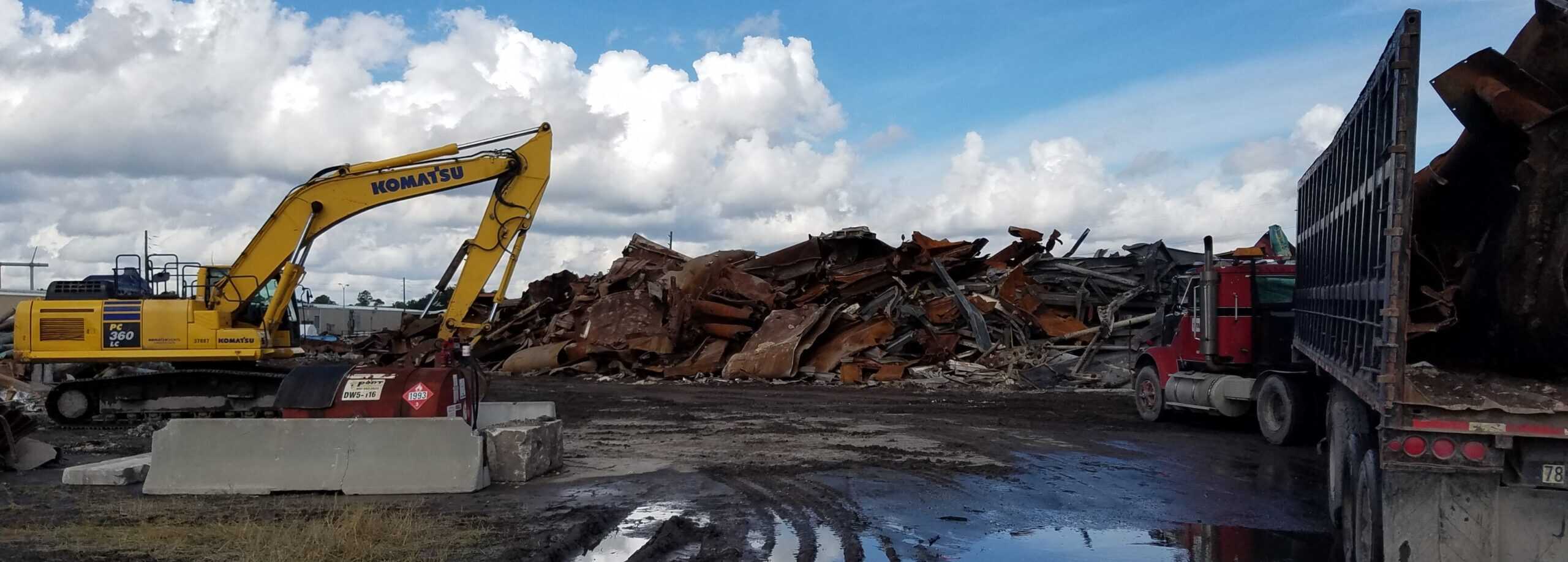
Demolishing a paper or pulp mill is no ordinary project. These large industrial facilities bring the same complexity seen in many commercial and industrial demolition jobs โ€” hazardous materials, intricate machinery, and strict environmental rules.

But these projects are more than tearing down structures. They represent opportunities to apply specialized expertise, technological innovation, and advanced safety and sustainability practices.

UNDERSTANDING PAPER & PULP MILL DEMOLITION

Paper and pulp mills are complex, housing:

  • Heavy machinery

  • Interconnected infrastructure

  • Potentially hazardous materials

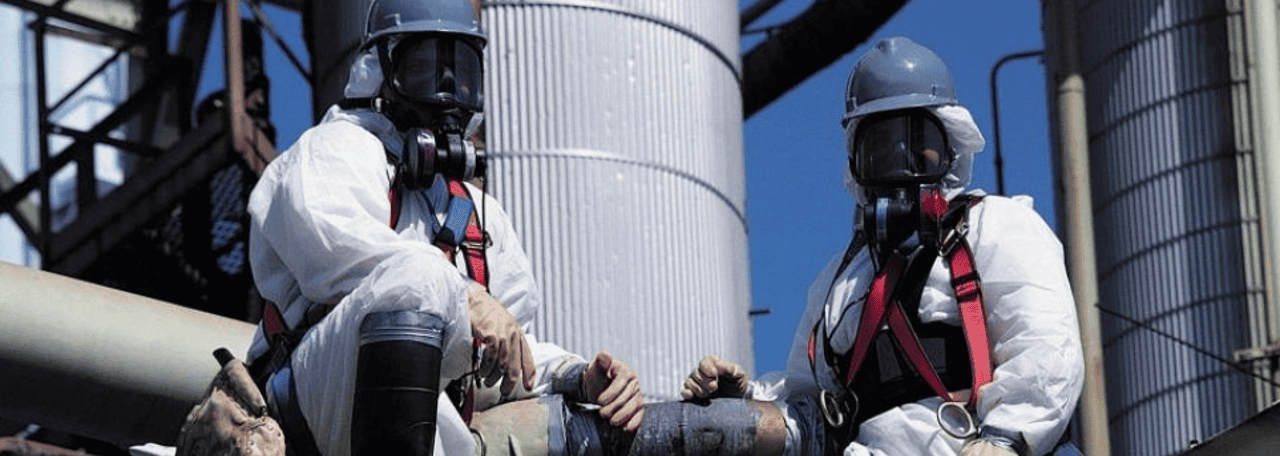
Before work begins, Total Wrecking performs comprehensive assessments. These evaluate structural integrity, environmental risks, and the presence of contaminants like asbestos and chemicals. Thorough evaluations ensure safety, efficiency, and regulatory compliance at every level.

UNIQUE CHALLENGES IN DEMOLISHING PAPER & PULP MILLS

Several factors set these demolitions apart:

  • Hazardous Materials: Asbestos, lead, and chemical residues spread across large facilities require specialized abatement.

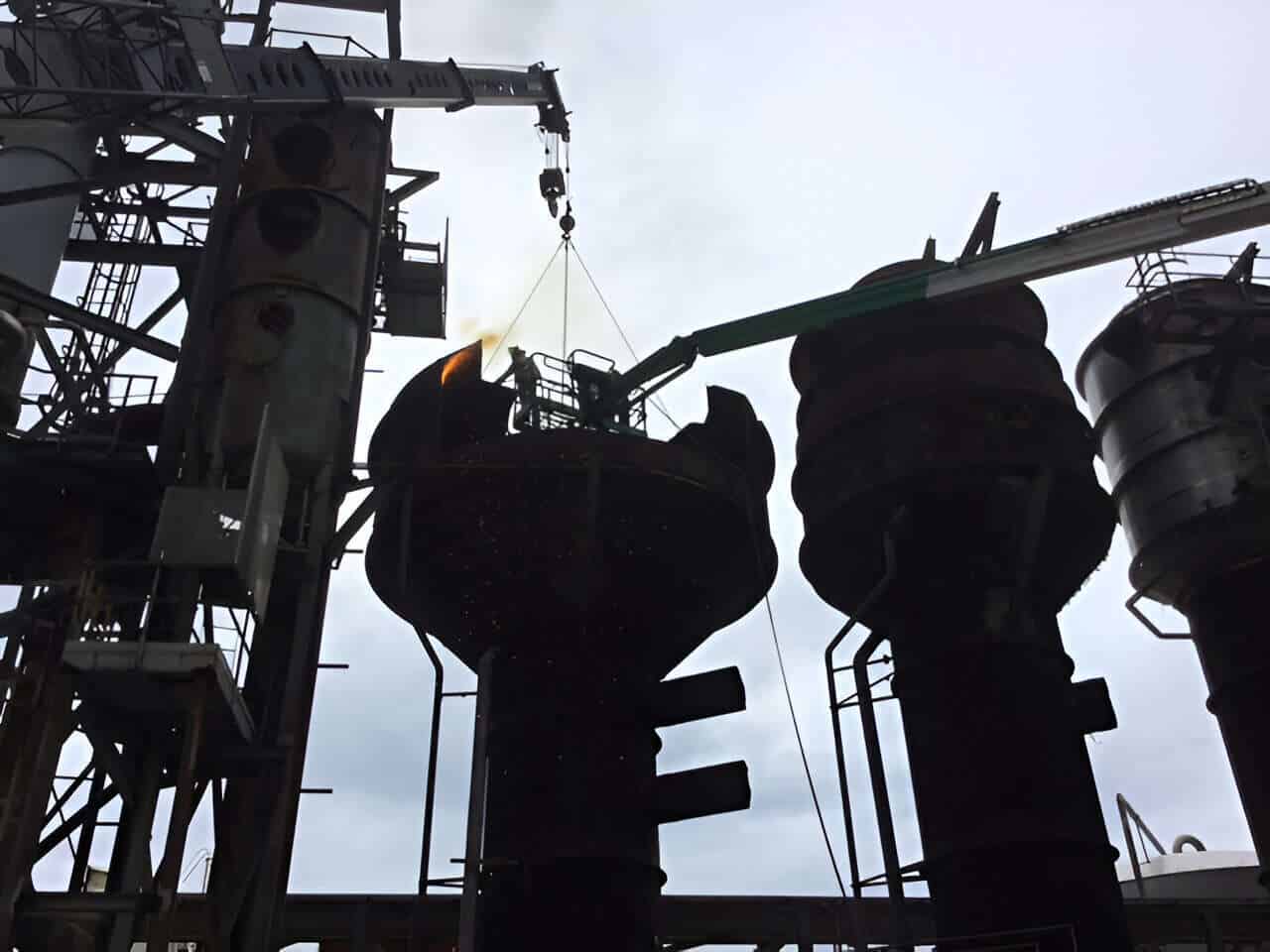
  • Heavy Machinery: Equipment such as presses, digesters, boilers, and kilns must be dismantled carefully for reuse or safe disposal.

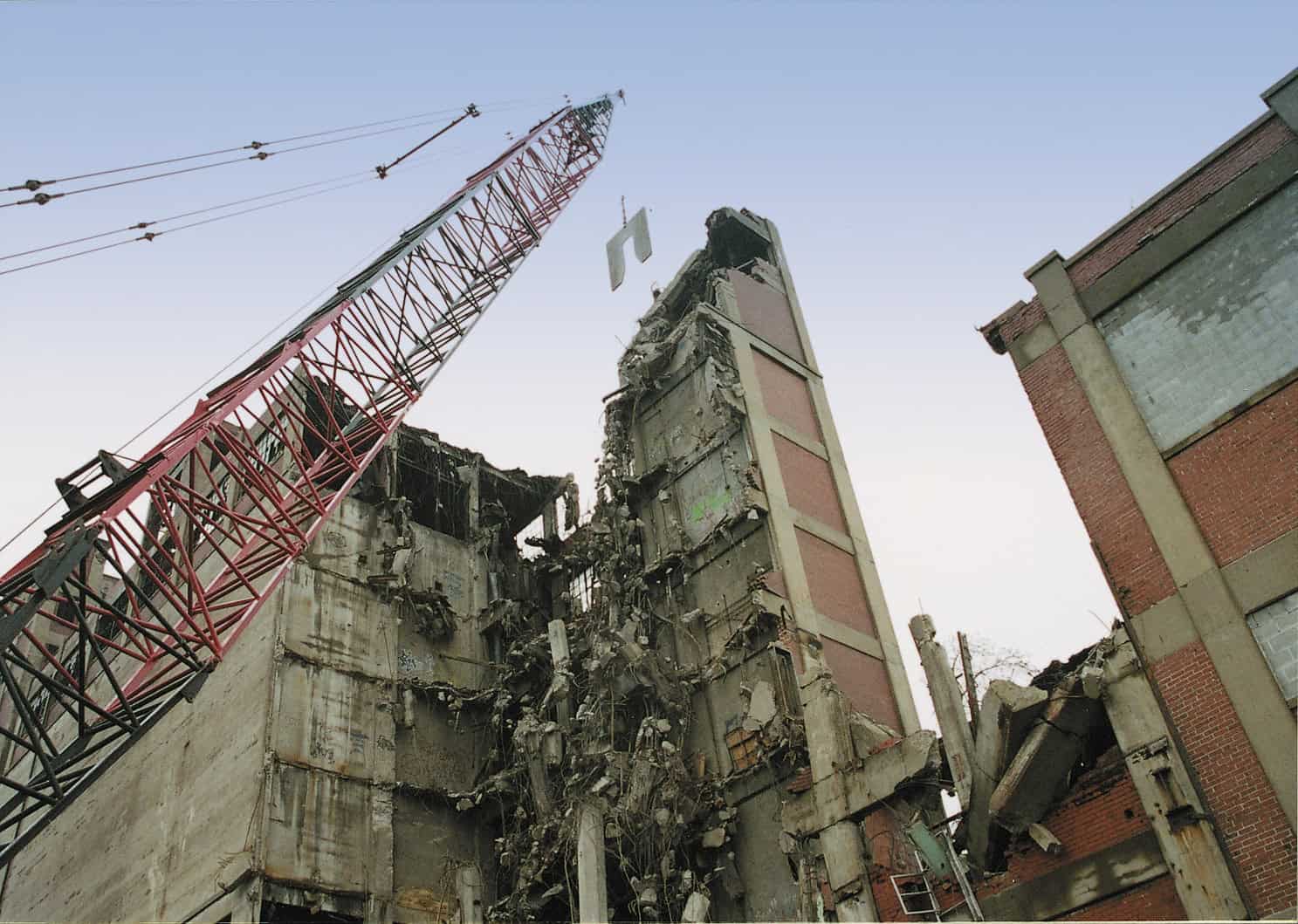
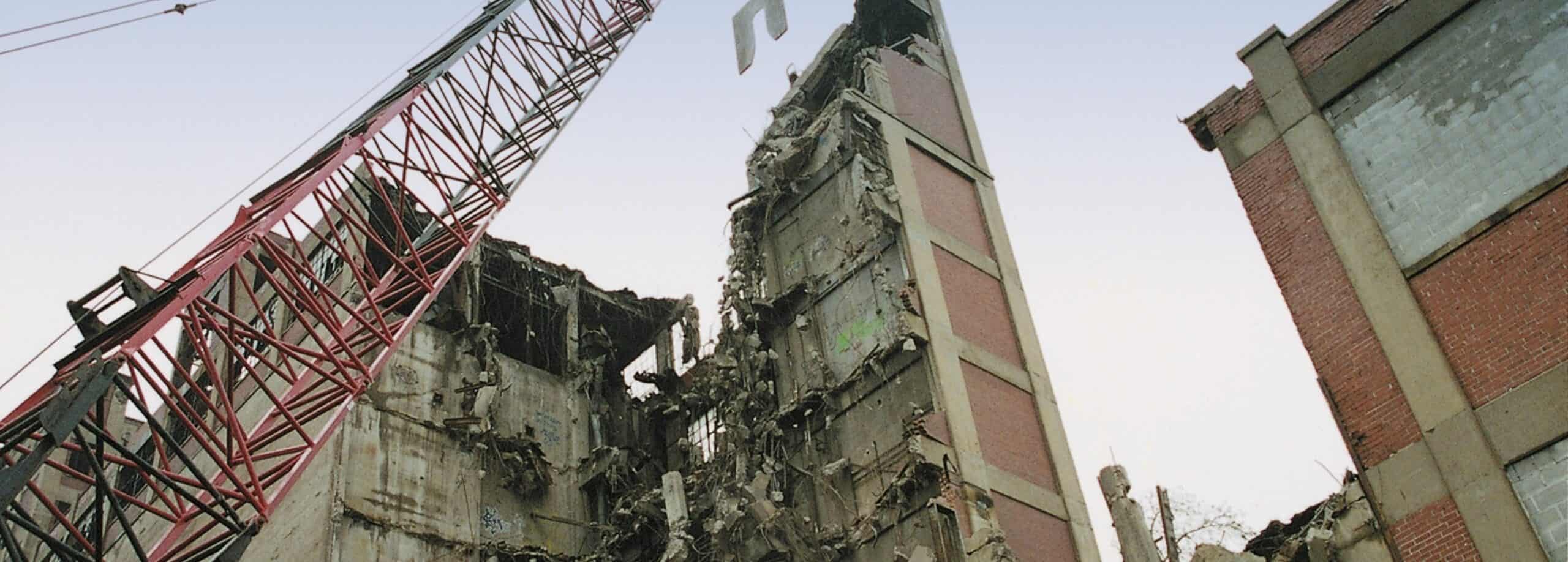
  • Structural Complexity: Interconnected buildings and load-bearing frameworks demand phased, strategic demolition.

  • Environmental & Safety Risks: Dust, debris, and chemical residues create hazards for workers and surrounding communities.

ENVIRONMENTAL CONSIDERATIONS & MITIGATION STRATEGIES

Total Wrecking adopts a proactive approach to limit environmental impact:

  • Pre-Demolition Assessments: Hazardous materials are identified early, with mitigation plans developed before work begins.

  • Hazardous Material Abatement: Certified teams remove asbestos and toxic chemicals safely, with strict containment practices.

  • Dust & Air Control: Water suppression, dust agents, and real-time monitoring protect workers and nearby communities.

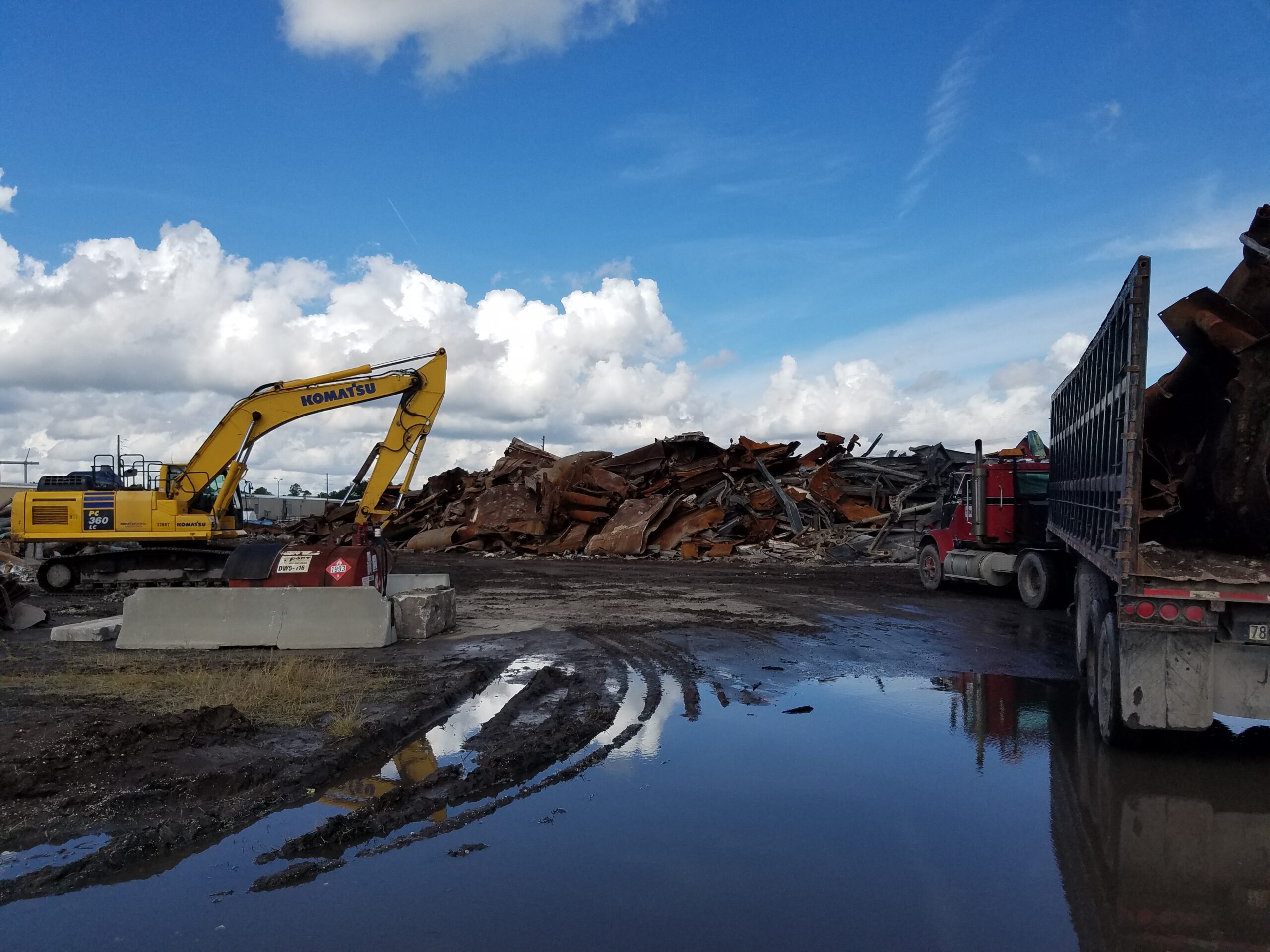
  • Waste Management & Recycling: Steel, concrete, and wood are separated for reuse, while hazardous materials are isolated for safe disposal.

  • Water & Soil Protection: Barriers and drainage systems prevent contaminated runoff from spreading

PROJECT MANAGEMENT: A TAILORED APPROACH TO COMPLEXITY

Managing a paper mill demolition requires careful planning and coordination. Total Wrecking focuses on:

  • Detailed Pre-Planning: Risk assessments and contingency plans for hazards like chemical spills or structural failure.

  • Specialized Equipment Coordination: Cranes, attachments, and remote-controlled excavators used for safe, precise dismantling.

  • Phased Demolition: Breaking projects into manageable stages minimizes risk and adapts to unexpected challenges.

  • Stakeholder Communication: Transparent updates keep clients, consultants, and subcontractors aligned throughout the process.

SAFETY PROTOCOLS: PROTECTING PEOPLE & THE ENVIRONMENT

Safety is a top priority. Key protocols include:

  • Hazardous Material Handling: Strict PPE and guidelines for asbestos and chemicals.

  • Controlled Equipment Removal: Certified riggers and specialty lifting equipment prevent accidents.

  • Structural Sequencing: Controlled demolition prevents sudden collapses.

  • Confined Space Work: Continuous atmospheric monitoring for tanks and pipes.

  • Emergency Preparedness: Real-time audits, on-site safety coordinators, and robust response plans.

CASE STUDY: THE HODGE, LA PAPER MILL PROJECT

The WestRock Old Bag Mill demolition highlights Total Wreckingโ€™s capabilities:

  • Timber Salvage: Historic beams and columns were carefully dismantled for reuse.

  • Asbestos Management: Non-friable asbestos roofing was removed under strict protocols.

  • Logistical Constraints: Planning allowed demolition to proceed despite limited access and active nearby operations.

  • Outcome: The project finished on time and within budget, with lessons learned improving future salvage, logistics, and safety strategies.

TECHNOLOGICAL INNOVATIONS & COST MANAGEMENT

Technology plays a key role in efficiency and safety:

  • Drones: Used for surveys, hazard identification, and real-time progress tracking.

  • Remote-Controlled Equipment: Reduces human exposure in hazardous areas while improving precision.

  • Project Management Software: Digital platforms streamline scheduling, audits, and cost tracking.

LOOKING TO THE FUTURE: SUSTAINABILITY & THE CIRCULAR ECONOMY

Total Wrecking is committed to sustainable practices, including:

  • Maximizing Recovery: Recycling steel, wood, and other valuable materials.

  • Reducing Environmental Impact: Meeting or exceeding stringent standards for demolition waste.

  • Adapting to Regulations: Staying ahead of evolving federal, state, and local compliance requirements.

CLIENT COLLABORATION & CONCLUDING THOUGHTS

From planning through cleanup, Total Wreckingโ€™s approach is defined by collaboration, transparency, and performance. Clients benefit from strategies tailored to their facilities, supported by a proven record of safe, efficient, and sustainable demolitions.

Paper and pulp mill demolitions are some of the industryโ€™s most complex projects. By combining planning, technology, safety, and sustainability, Total Wrecking continues to set new standards for demolition excellence.

Total Wrecking Building a Legacy of Giving

INTRODUCTION

When you think of demolition, the image that might come to mind is one of powerful machines, epic plumes of dust, and towering structures crumbling to earth. But for Total Wrecking, thereโ€™s another layer to the storyโ€”one that builds up communities and people, not just structures. This is a story of giving, woven into the companyโ€™s fabric, reaching far beyond the boundaries of business and into the heart of the communities they serve.

The inspiration for Total Wreckingโ€™s charitable endeavors comes from a very personal place. Frank, one of the founders, recalls a pivotal experience early on with a local food bank that planted the seeds for the company’s philanthropic mission.

Today, it continues to drive the teamโ€™s passion for helping those who need it most.

A PERSONAL MISSION THAT SPARKED A COMPANY-WIDE MOVEMENT

The roots of Total Wreckingโ€™s commitment to giving back are deeply personal and intertwined with the life experiences of its founders.

Frankโ€™s early life was marked by significant hardship, including a period when he had to rely on a food bank just to get by. During this time, he lived in a friendโ€™s attic, took odd jobs, and painted houses to make ends meet, which profoundly shaped his empathy and commitment to helping those in need.

Similarly, Sandyโ€™s story is one of perseverance and resilience. Her mother, an immigrant from Sicily, arrived in the U.S. alone at 18, with little knowledge of English and limited resources. She worked tirelessly in a candy factory to support herself and her daughters.

These experiences of overcoming adversity are at the heart of Total Wreckingโ€™s mission to support communities facing similar struggles. Frank and Sandy’s shared backgrounds of resilience continue to fuel the companyโ€™s philosophy of paying it forward.

EMPOWERING EMPLOYEES TO MAKE A DIFFERENCE

Total Wreckingโ€™s philanthropic efforts go beyond monetary donations. Recent initiatives, like their involvement in relief for Hurricane Helene, raised over $15,000 to support impacted communities through the organization Eight Days of Hope.

Just recently, Total Wrecking team members have been working directly on the ground in Florida and the Carolinas providing much-needed aid. Theyโ€™re also looking forward to annual holiday initiatives at the end of the year, such as creating care packages for elderly community members and involving the team in personal outreach so those in need get to experience genuine human connection during one of the most emotional periods of the year.

One of the things that makes Total Wreckingโ€™s charitable mission truly unique is its team-centered approach. Employees are active participants and drivers of change. Philanthropy at Total Wrecking isnโ€™t a top-down directive but a shared effort, with each team member playing a role in supporting their chosen causes. Employees have the opportunity to refer organizations for monthly donations, ensuring that the causes resonate on a personal level and align with the teamโ€™s values.

CHOOSING CAUSES THAT RESONATE

At the beginning of each month, Total Wreckingโ€™s leadership team sits down with employees to consider potential charitable organizations to support. Each suggestion is carefully reviewed, and the selection process is fully collaborative. The team considers a range of factors from the organizationโ€™s mission, its alignment with Total Wreckingโ€™s values, and the potential impact of their support.

Whether itโ€™s a local organization focused on helping veterans, a foundation working to end human trafficking, or a relief effort after a natural disaster, each cause is chosen with careful thought and empathy. By giving employees the freedom to advocate for causes close to their hearts, Total Wrecking fosters a spirit of community that goes far beyond the workplace.

By making the selection process personal, Total Wrecking ensures that each charitable act is not only meaningful but also emotionally resonant for the team.

IMPACT ON EMPLOYEES

The culture of giving at Total Wrecking has done more than support those in need; it has transformed the workplace itself. Employees describe a sense of pride in working for a company that prioritizes community impact, and many feel inspired to contribute personally as well. The charitable initiatives give them a chance to step back from their regular roles and engage with something bigger.

The sense of pride that comes from supporting meaningful causes has even led some employees to take on additional roles within charitable projects, such as coordinating volunteer activities or organizing fundraisers.

INSPIRING FUTURE GENERATIONS OF GIVERS

The internal culture fostered by these charitable activities, best conveyed by employees’ independent donations to supported causes after learning about them through company initiatives, reflects the ethos Frank and Sandy aim to cultivate: a team that embodies generosity, understanding that giving back is not just a corporate obligation but a way of life. The leadershipโ€™s choice to prioritize community impact sets an example for employees, showing that success is not only measured by business achievements but also by the positive change made in othersโ€™ lives.

In many ways, Total Wreckingโ€™s philanthropy serves as a call to action, encouraging employees, clients, and community members to think about the ways they can contribute to causes they care about. By embedding a culture of giving within their business, Total Wrecking is inspiring a ripple effect of compassion and generosity that reaches far beyond their immediate sphere.

TOTAL WRECKINGโ€™S ONGOING COMMITMENT

As they plan for the future, Total Wrecking is excited about the ongoing opportunities to give back, from their annual Christmas outreach program to continued support for causes close to their teamโ€™s hearts. For Total Wrecking, philanthropy is a core part of who they are, a testament to their values, and a source of hope for the communities they serve.

In the words of Sandy, โ€œItโ€™s not about what we can take down; itโ€™s about what we can build up together.โ€ For Total Wrecking, the true measure of success isnโ€™t just in projects completed or goals met; itโ€™s in the lives they touch and the legacy they create.

Total Wrecking Asset Recovery Services

INTRODUCTION

At Total Wrecking & Environmental, we take pride in our core values of safety, integrity, and family, while also being a nationwide leader in cost-efficient and environmentally responsible demolition.

One of the biggest ways we add value is through investment and asset recovery services. These ensure plant and building owners extract maximum return on decommissioned, surplus, or end-of-life assets.

By integrating recovery directly into our demolition projects, we help clients maximize ROI while protecting the environment.

WHAT IS INDUSTRIAL ASSET RECOVERY?

Industrial asset recovery is the process of identifying, evaluating, and strategically decommissioning surplus equipment, machinery, and materials from demolition sites.

The goal is not just removal but full monetization through resale, recycling, or repurposing. Examples include:

  • Reselling functional equipment

  • Salvaging scrap metals

  • Recycling or responsibly disposing of hazardous materials

Our Total Recovery Program combines decades of experience with a managed process that ensures every client gets the most value from their unused assets.

THE TOTAL WRECKING ADVANTAGE: EXPERTISE AND CUSTOMIZATION

Our demolition experts have worked across industries such as manufacturing, oil & gas, healthcare, construction, and mining. This experience allows us to create custom recovery strategies for each unique site.

Our comprehensive services include:

  • Asset Valuation: Market analysis and condition reports determine true value.

  • Marketing & Sales: Targeted strategies connect assets with buyers in private and international markets.

  • Decommissioning & Removal: Safe, efficient dismantling and transport.

  • Recycling & Disposal: Environmentally responsible handling of non-sellable or hazardous materials.

By covering every step, we deliver a seamless, profitable recovery experience.

INTEGRATION WITH DEMOLITION SERVICES

Demolition generates large volumes of salvageable materials. By integrating recovery into demolition operations, Total Wrecking ensures:

  1. Maximized Value โ€“ Assets are refurbished, resold, or recycled instead of discarded.

  2. Streamlined Processes โ€“ One contractor handles both demolition and recovery, keeping projects on time and budget.

  3. Sustainability โ€“ Scrap metals and other materials are diverted from landfills and reused.

All recovery efforts follow strict regulatory compliance and environmental standards.

A PROVEN, TRANSPARENT PROCESS

Clients benefit from a clear, accountable recovery system:

  1. Consultation โ€“ Define goals and strategy.

  2. Asset Evaluation โ€“ Assess value, condition, and resale options.

  3. Recovery Plan โ€“ Timeline, marketing approach, and projected outcomes.

  4. Execution โ€“ Logistics, marketing, removal, and sales.

  5. Final Report โ€“ Detailed summary of financial returns and environmental impact.

This step-by-step approach ensures maximum returns without delays or surprises.

INDUSTRIES AND APPLICATIONS

Our asset recovery services apply across a wide range of facilities, including:

  • Energy production plants

  • Automotive and manufacturing facilities

  • Transportation hubs

  • Healthcare and research complexes

  • Industrial warehouses and mills

Wherever there are assets to be recovered, Total Wrecking provides efficient, sustainable solutions.

WHY CHOOSE TOTAL WRECKING?

By combining demolition expertise with asset recovery strategies, clients receive:

  • Increased ROI through resale and recycling

  • Lower costs and downtime during demolition

  • Sustainability benefits that align with modern environmental standards

  • Comprehensive support from seasoned demolition professionals

CONCLUSION

Total Wrecking & Environmentalโ€™s asset recovery services set the standard for blending financial performance with environmental responsibility.

Whether youโ€™re planning a large-scale industrial demolition or seeking to recover value from unused equipment, our Total Recovery Program delivers proven results.

Contact us today to learn how we can help maximize the value of your project.

Total Wrecking Lakeland McIntosh Power Plant

INTRODUCTION

Total Wrecking & Environmental is a national leader in large-scale demolition, known for its focus on safety, efficiency, and integrity.

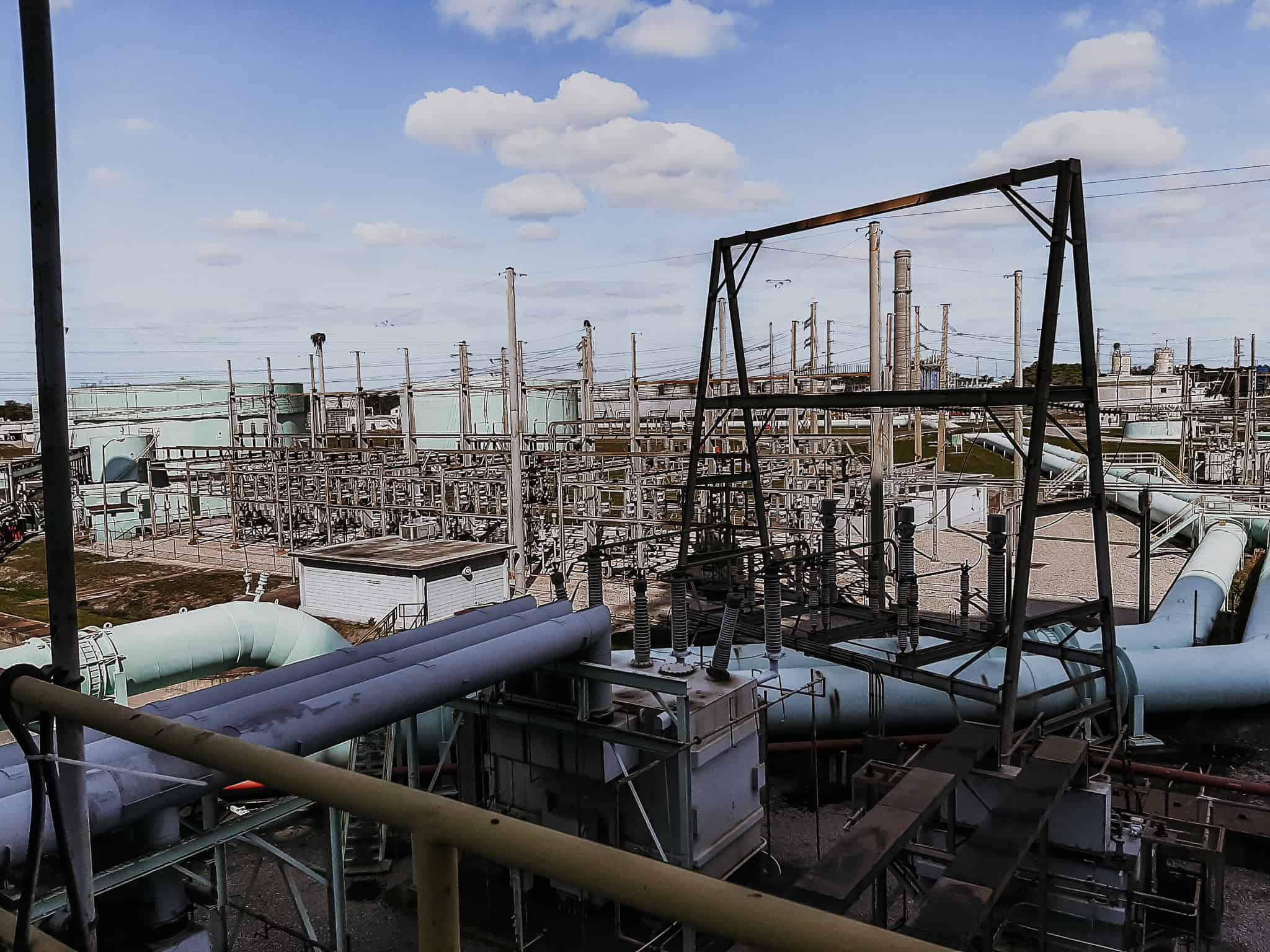
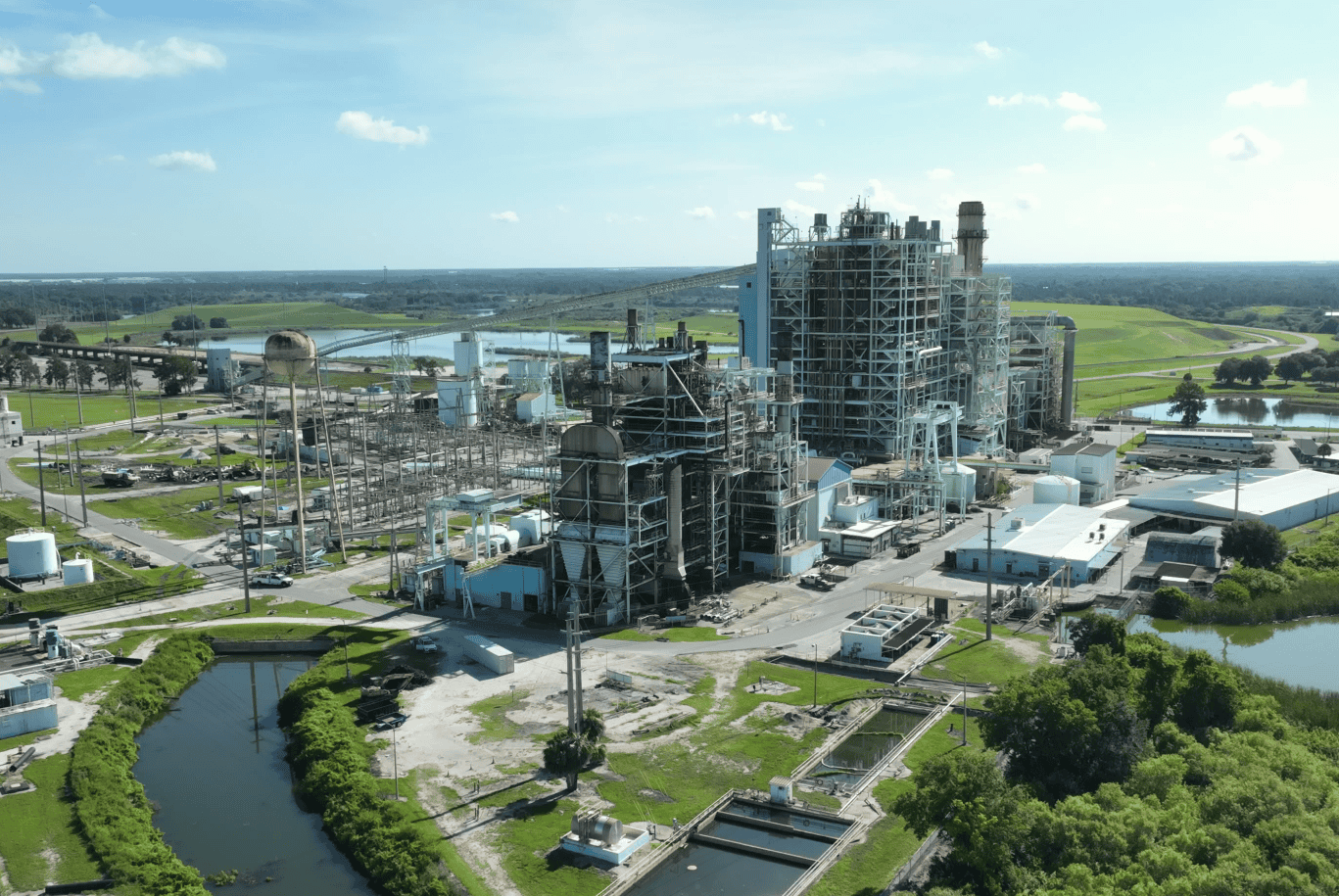
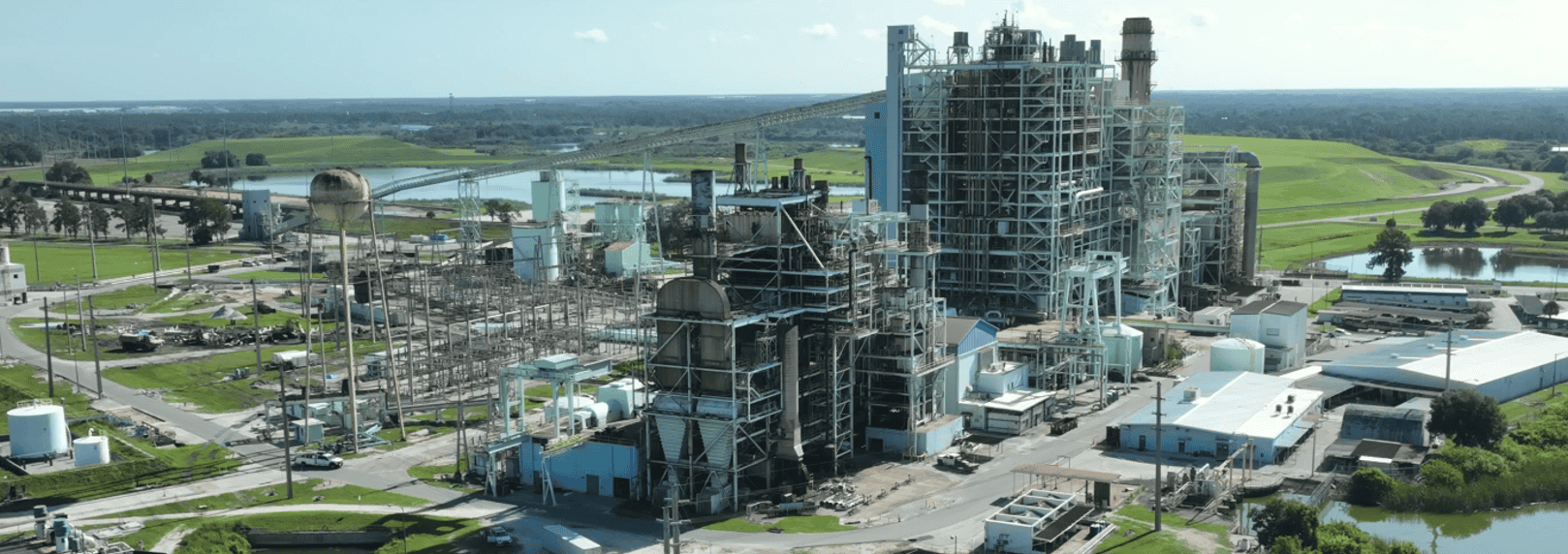
The Lakeland McIntosh Power Plant demolition was one of our most significant projects to date. Spanning multiple years, it involved dismantling three major boilers and associated structures.

The project achieved zero injuries and required navigating strict environmental regulations to protect local wildlife such as ospreys and eagles. Technical challenges demanded innovative approaches, including a specialized wrecking ball and carefully planned implosions to safely bring down towering structures.

PROJECT TIMELINE

  • May 2022: Site preparation and initial assessments

  • June 2022: Equipment mobilization and environmental protection setup

  • Nov 2022: Superintendent Steve Schafner and General Superintendent John Spaich join site leadership

  • Mar 2023: First boiler implosion completed

  • Aug 2023: Second major implosion executed

  • Feb 2024: Final implosion, including administrative buildings

  • June 2024: Debris removal, cleanup, and site handover to the City of Lakeland

PROJECT BACKGROUND

The Lakeland McIntosh Power Plant in Florida was a landmark facility supplying electricity to more than 200,000 residents and businesses.

Total Wreckingโ€™s scope included demolishing:

  • Three 600-megawatt boilers

  • Precipitators, scrubbers, ICRs, and transformers

  • Multiple administrative and auxiliary buildings, some reaching 13 stories

The work also required safe handling of hazardous materials throughout the process.

Over two years, the project was completed with:

  • Multiple controlled implosions

  • Use of a 32,000-pound slingshot gravity pendulum (adapted from a previous project)

  • High-reach demolition machinery for safe top-down dismantling

The successful outcome earned Total Wrecking a shortlist nomination in 2024 for the World Demolition Award (โ€œProject Over $1,000,000โ€).

MAJOR CHALLENGES & SOLUTIONS

Worker Safety

Zero injuries were achieved through:

  • Rigorous training on hazardous materials and heavy equipment

  • Daily safety audits to identify risks

  • PPE for all workers (helmets, gloves, harnesses)

  • Frequent safety briefings and updates

Environmental Compliance & Wildlife Protection

Protecting wildlife was a central requirement.

  • Monitoring bird activity to avoid nesting disruptions

  • Coordination with agencies for osprey and eagle protection

  • Equipment modifications to prevent nesting on tall machinery

  • Even small animals received careโ€”two kittens were safely rescued and adopted

Specialized Equipment & Techniques

  • PC 1250 Hydraulic Excavator: Handled large-scale concrete and heavy lifting

  • 32,000-Pound Pendulum Wrecking Ball: Essential for breaking massive turbine pedestals

  • High-Reach Demolition Machines: Allowed controlled dismantling of 13-story structures

  • Controlled Implosions: Planned with surgical precision to avoid collateral damage

Coordination With City of Lakeland

  • Power grid management: Worked around 23,000-volt active wires

  • Traffic control: Police-assisted road closures for conveyor removals

  • Community communication: Residents notified ahead of implosions

  • Exclusion zones & viewing areas: Ensured safety while allowing public viewing

KEY SUBCONTRACTORS

  • CDI (Controlled Demolition, Inc.) โ€“ Implosion expertise and execution

  • Dive Teams โ€“ Sealed cooling tower water intakes to prevent contamination

  • Abatement Contractors โ€“ Removed asbestos safely and in compliance

  • Concrete Contractors โ€“ Prepared structures for implosions with precision saw-cutting

  • Paving Contractors โ€“ Maintained site access and heavy machinery routes

COMMUNITY ENGAGEMENT

  • Implosion Raffle: Local residents entered for a chance to push the button on a major implosion, raising funds for charity
  • Charity Donations: Additional community fundraising tied to implosion event

COMPLETION & OUTCOMES

The final phase ensured full compliance and client satisfaction:

  • Documentation: Waste manifests, scrap tickets, and hazardous removal records compiled
  • Site Inspection: Verified debris removal and safe site conditions
  • Client Walkthrough: Final review and acceptance by Lakeland management

CONCLUSION

The Lakeland McIntosh Power Plant demolition showcased Total Wreckingโ€™s ability to execute a multi-year, high-stakes project with precision and safety.

By combining innovative equipment like the 32,000-pound pendulum, meticulous planning, and strict safety measures, we delivered results that set a new standard in industrial demolition.

This project reinforced Total Wrecking & Environmentalโ€™s reputation as a trusted leader in large-scale, complex demolitions, committed to safety, environmental stewardship, and community partnership.

    Total Wrecking CD McIntosh Power Station

    INTRODUCTION

    Total Wrecking & Environmental is proud to announce a prestigious nomination at the 2024 World Demolition Awards!

    Thanks to the hard work of our Lakeland, FL team, we have been shortlisted in the โ€œContract of the Year Over $1 Millionโ€ category for the demolition of Units 1, 2, and 3 at the CD McIntosh Power Station.

    This recognition highlights Total Wreckingโ€™s expertise in tackling large-scale demolition projects while navigating strict environmental regulations and maintaining zero worker injuries. The CD McIntosh project was especially complex, involving live transmission lines and protecting the nearby Tenoroc Public Nature Preserve.

    CD MCINTOSH POWER STATION DEMOLITION: A COMPLEX UNDERTAKING

    The demolition of Units 1, 2, and 3 demanded planning and execution at the highest level.

    Key Challenges:

    • Proximity to live power lines โ€“ required extreme caution to protect workers and avoid power disruptions.

    • Environmental sensitivity โ€“ bordered the Tenoroc Public Nature Preserve, a protected wetland ecosystem.

    • Hazardous materials โ€“ including asbestos, required strict handling and abatement protocols.

    Scope of Work:

    • Abatement and demolition of stacks, boilers, cooling towers, conveyors, and auxiliary equipment

    • Safe dismantling of multi-story structures using specialized machinery

    • Removal of regulated and hazardous materials under full compliance standards

    By the end, the site was safely cleared, environmentally protected, and prepared for redevelopment.

    INNOVATIVE TECHNIQUES & SAFETY-FIRST APPROACH

    To meet the challenges of the project, Total Wrecking deployed specialized demolition equipment:

    • 32,000-pound wrecking device โ€“ adapted from an old boiler shaft, used to break massive concrete pedestals

    • High-reach demolition machines โ€“ enabled top-down dismantling of towering boilers and stacks

    Safety Measures

    • Comprehensive training for all workers

    • Daily audits and on-site inspections

    • Rigorous adherence to PPE and safety protocols

    • Zero workplace injuries reported

    Environmental Protections

    • Continuous coordination with regulatory agencies

    • Protection of wildlife including ospreys and eagles

    • Downsizing and recycling of concrete for backfill

    • Waste reduction strategies to support sustainability goals

    RECOGNITION FROM THE WORLD DEMOLITION AWARDS

    The World Demolition Awards honor the best demolition projects worldwide. Judgesโ€”collectively holding 300+ years of industry experienceโ€”evaluate projects on innovation, safety, and environmental responsibility.

    Total Wreckingโ€™s nomination for Contract of the Year Over $1 Million underscores our:

    • Commitment to safety-first demolition

    • Use of innovative techniques in large-scale projects

    • Dedication to environmental stewardship

    The winners will be announced at the World Demolition Summit in Stockholm, Sweden (Nov 6โ€“7, 2024).

    LOOKING FORWARD: COMMITMENT TO EXCELLENCE

    This recognition reflects more than one projectโ€”it represents Total Wreckingโ€™s mission to raise industry standards.

    As we complete the CD McIntosh Power Station project and move forward, we remain committed to:

    • Pioneering safe, efficient demolition practices

    • Expanding the use of sustainable recovery and recycling strategies

    • Upholding the highest levels of integrity, safety, and innovation

    Total Wrecking Summit

    INTRODUCTION

    For the past 10 years, Total Wrecking & Environmental has worked tirelessly to uphold the highest safety standards in the industry, ensuring that every employee on our jobsites is safe, informed, and accountable.

    And we took our commitment to safety to new heights this year with our Safety Summit in Stone Mountain, GA.

    This was far from your average training seminar; it was a full-company, three-day retreat where every member of the Total Wrecking team from across the country was flown in to immerse themselves in best practices and better get to know the whole team.

    Total Wreckingโ€™s most ardent mission is to ensure all team members, as well as their families, are of strong mental health, financially stable, and comfortable within all of their work environments.

    This comprehensive summit was a testament to that steadfast dedication to care for your colleagues like theyโ€™re family.

    THE SAFETY SUMMIT: A COMPREHENSIVE TRAINING EXERCISE

    The summit was a multi-day, hands-on event that gave the whole Total Wrecking workforce the skills and tools needed to perform their work safely and efficiently.

    The intent of the Safety Summit was, first and foremost, to provide necessary training directly related to the work that Total Wrecking performs, the hazards involved, and the steps and means to mitigate those hazards.

    In other words, itโ€™s about elevating awareness and empowering each person with a voice. Every member of Total Wreckingโ€™s team needs to have the knowledge and skills they need to navigate the complexities of these inherently dangerous industrial demolition sites.

    Total Wrecking firmly believes that everyone in the field should feel empowered to be a safety officer and to speak up or act when they see an opportunity.

    Listed below are just some of the topics covered during the three-day summit:

    โ€ข Lessons Learned: Discussing different events on a wide variety of job sites to better learn from past experiences.
    โ€ข All-Stop Work Authority: Emphasizing the importance of every employee having the power and confidence to call an all-stop.
    โ€ข Muster Points & Training: Ensuring everyone knows where to gather in an emergency.
    โ€ข Situational Awareness: Training staff to be aware of their surroundings and potential hazards to avoid them more effectively.
    โ€ข Environmental Health Hazards: Educating the team on potential environmental hazards and how to mitigate them, including:
    – Asbestos Awareness
    – PCB Awareness
    – Lead Awareness
    – Arsenic Awareness
    – Cadmium Awareness
    – Hexavalent Chromium
    – Respirable Silica
    โ€ข Respiratory Protection: Ensuring workers have the right equipment and training to protect their respiratory system from harmful contaminants.
    โ€ข OSHA Focus 4: Addressing the four leading causes of fatalities in the construction industry: falls, struck-by, caught-in/between, and electrocutions.
    โ€ข Fall Protection: Implementing specific safety protocols and procedures to prevent falls and ensure worker safety at elevated heights.
    โ€ข Hazardous Waste Operations and Emergency Response: Training workers to safely handle hazardous waste and respond effectively to emergencies.
    โ€ข Hazard Communication: Ensuring clear communication about potential hazards so every team member is informed and prepared.
    โ€ข Emergency Action Plan: Ensuring everyone knows what to do in an emergency.
    โ€ข Chain of Command: Clarifying the organizational structure and who to report to.
    โ€ข Team Building: Strengthening the team dynamic and promoting a strong safety culture through communication and trust.

    Frank & Sandy Bodami’s career-long dedication to the safety of his team has been paramount for the company, and its impact has been noticed within the industry. Above all else, he states his mission has always been to ensure every worker returns home safely at the end of the day.

    Total Wrecking Demolition Team

    INTRODUCTION

    In the bustling city of Buffalo, NY, amidst the clamor of machinery and industrial artistry, stands Total Wrecking & Environmental โ€“ a testament to co-owner and co-founder Sandy Bodamiโ€™s unwavering spirit, her strategic smarts, and her unique ability to make every colleague feel like family. At the helm of this proudly Woman-Owned Business, Sandy’s grounded, no-nonsense leadership style has not only propelled the company to remarkable heights but has also cultivated a workplace culture of mutual respect and personal autonomy. In the blog below, we take a closer look at the story of Sandy Sr., whose business development acumen and unique ability to anticipate industry trends have been pivotal in Total Wreckingโ€™s meteoric success and continued expansion.

    THE HEART OF TOTAL WRECKING: PUSHING PEOPLE TO BE THEIR BEST

    Sandyโ€™s secret sauce is simple โ€“ it’s all about the people. She’s the captain who knows her employees by name, their kids’ birthdays, and probably what they had for dinner last night. Sheโ€™s built a world at Total Wrecking where everyone’s got each other’s backs, and that’s no small feat. Sandy Sr.’s journey within the industrial demolition industry, not necessarily known for its female leadership, is nothing short of inspirational. After all, she has been Total Wreckingโ€™s strategic and financial driving force since its inception in 2013, inspiring her colleagues to take greater ownership over their roles and to work harder to protect the people around them. Sheโ€™s not the matriarchal, teddy-bear figure female leaders are often stereotyped to be sheโ€™s a hyper grounded voice of reason who demands respect and hard work every day of the year. To Sandy Sr., success is about inspiring people to make their greatest effort and to treat everyone they work with dignity. Creating a โ€œfamily atmosphereโ€ doesnโ€™t mean her employees are sitting around a fire singing kumbaya; it means they push and pull each other because they believe in eliciting every individualโ€™s full potential.

    A WOMAN-OWNED POWERHOUSE

    Sandy’s not just at the table; she’s leading the charge, and the industry’s sitting up and taking notes. Her compass? A mix of guts, heart, and confidence that helps better her employees and, by extension, her company. Under Sandy’s leadership, Total Wrecking has proudly earned the designation of a Woman-Owned Business, a formal acknowledgment of her role and influence. This milestone is not merely a label but a reflection of Sandy’s strategic prowess and her ability to navigate and excel in a traditionally male-dominated industry. The recognition has not only opened new avenues for growth but has positioned Total Wrecking as a champion for inclusivity and empowerment in the business community. Sandy’s partnership with her husband and business partner, Frank Bodami, has created a dynamic that has propelled Total Wrecking to new heights, while always ensuring that Sandy’s voice and leadership remain at the forefront. Where Frank is largely in charge of the โ€œWhatโ€ department, Sandy has control over the โ€œWhy,โ€ โ€œWhereโ€ โ€œWhen,โ€ and โ€œHowโ€ units. This synergy and unique partnership has been integral to Total Wrecking’s success by serving as a constant yin and yang between desire and reality, ambition and practicality. While success requires an equal amount of all these ingredients, itโ€™s her clarity of vision and independent strengths that have truly defined the company’s trajectory.

    THE CULTURE ARCHITECT: CRAFTING A LEGACY OF LOYALTY

    Sandy possesses an uncanny ability to craft a culture where loyalty is the currency, and it pays off in spades. Her brilliant and personnel-focused initiatives, such as family-oriented company events and employee recognition programs, reinforce the sense of community and shared purpose central to Total Wrecking’s identity. Sandy’s management style is defined by her innate ability to engender loyalty and instill a deep-seated culture of family, fostering a workplace where employees are motivated to excel and take pride in their work.

    ENVISIONING TOMORROW: SANDY'S FORWARD-THINKING LEADERSHIP

    When Sandy looks to the future, it’s not just about keeping Total Wrecking on top; she’s dreaming up ways to make demolition kinder to our planet and setting her sights on innovations that’ll change the game. She’s not just playing to win; she’s playing for keeps, with a playbook that’s forward-thinking and grounded in good, old-fashioned hard work. The road ahead is about much more than just maintaining Total Wrecking’s competitive edge โ€“ itโ€™s about setting new industry standards and driving progress. Sandy knows better than anyone that success is not just measured by profit but by the positive impact on the employees, community, and the environment and her model is โ€œwe are building future leaders, funded by demolition and environmental work.โ€

    CONCLUSION

    Sandy Sr.’s influence on Total Wrecking and the demolition industry is indelible. She’s the lifeblood of Total Wrecking, a force of nature in a hard hat. She’s proof that when you mix business with a whole lot of heart, you get something that’s not just successful but downright spectacular. Her role as a strategic visionary has not only shaped the company’s present but has also charted a course for its future. As we look ahead, Sandy’s aspirations for Total Wrecking’s growth and innovation are clear โ€“ to continue raising the bar, fostering a workplace that feels like home, and leading with values that resonate beyond the boundaries of business. In Sandy Sr., Total Wrecking has found not just a leader but a beacon of inspiration for industry and a paragon of excellence for generations to come. Remember Sandy’s mantra: โ€œwe are a people building business, building leaders, funded by demolition and environmental work.โ€ Here’s to Sandy Sr., the maverick making Buffaloโ€”and the demolition worldโ€”a little more awesome.
    Total Wrecking Safety

    INTRODUCTION

    Industrial demolition plays a critical role in the upkeep and development of cities around the world. However, it’s also recognized as one of the most hazardous sectors to work in.

    Asbestos abatement, waste removal, and hazardous material remediation โ€” which are integral parts of industrial demolition โ€” pose unique dangers that emphasize the critical need for safety measures for everyone involved.

    Total Wrecking & Environmental, based in Buffalo, NY, believes that safety is non-negotiable and represents the gold standard of providing top tier demolition services while upholding the highest standards of safety.

    SAFETY: OUR TOP PRIORITY

    According to data from the Occupational Safety and Health Administration (OSHA), workplace injuries and fatalities in the construction and demolition industry have been steadily decreasing over the years, thanks to a heightened focus on safety measures and training programs. These statistics reflect the industry’s recognition of the importance of safety and the greater efforts made by companies like Total Wrecking to protect and promote the well-being of their workforce.

    The nature of demolition work, including asbestos abatement, environmental remediation, and the demolition itself โ€“ demands a higher level of vigilance and precaution. We are proud of our impeccable safety record and our stringent adherence to industry standards.

    How can we ensure that safety is priority in the workplace? Our abatement team is trained rigorously and certified to handle even the most challenging situations, ensuring that our employees, clients, and the environment are safeguarded throughout every project we face.

    PROFESSIONALISM: A CORNERSTONE OF SUCCESS

    According to industry reports, the success of demolition projects is often closely tied to the level of professionalism exhibited by the contractors involved.

    A study by the National Demolition Association (NDA) found that projects executed with a strong emphasis on professionalism achieved better safety records and experienced fewer delays and cost overruns. This underscores the significance of professionalism in ensuring the smooth execution of even the most challenging projects, and highlights why should organizations prioritize what safety measures they will focus on, and how.

    At Total Wrecking, safety goes hand in hand with professionalism. Our commitment to professionalism is reflected in every phase of our projects, from initial planning to final execution.

    We understand that working on complex tasks such as industrial plant demolition or building demolition requires technical expertise and a disciplined approach to project management. Our team’s attention to detail, communication skills, and ability to collaborate seamlessly with clients and stakeholders exemplify the professionalism we uphold.

    SETTING INDUSTRY STANDARDS

    Total Wrecking’s commitment to safety and integrity has earned us a reputation as one of the most reliable and respected names in the demolition and abatement industry in the United States.

    Our partnership with organizations like the National Environmental Safety Company Inc. and our affiliation with industry associations like the NDA and OSHA are a testament to our dedication to setting and upholding the highest industry standards. These collaborations ensure that our practices and services are aligned with the latest advancements in safety protocols and environmental responsibility.

    With a nationwide presence that enables us to tackle projects of all sizes and complexities, our portfolio includes everything from commercial complete demolition to industrial plant decommissioning services, each executed with the same level of professionalism and safety consciousness that defines our company.

    BUILDING A SAFER TOMORROW

    How do you ensure safety management? By placing safety and professionalism at the forefront, and by adhering to strict safety protocols, providing comprehensive total safety training, and investing in the latest safety equipment โ€” we contribute to the ongoing improvement of the construction and demolition sector, making it a safer and more efficient field for all.

    If you need an industrial demolition company, look no further than Total Wrecking & Environmental. We have extensive experience with projects of all sizes, as demonstrated by our work at the Lakeland McIntosh Power Plant in Florida. Contact us today to get started on your next industrial demolition project.

    Total Wrecking Blog 4

    INTRODUCTION

    As Frank & Sandy Bodami look back at the first ten years of Total Wreckingโ€™s relatively short but stratospheric rise in the industrial demolition industry, it becomes clearer and clearer that itโ€™s been as much a personal journey for him as a professional one. After all, Total Wreckingโ€™s inception in 2013 was hardly the start of Frankโ€™s demo career; he looks at it as the culmination of a lifetime of experiences.

    โ€œThe bigger, the betterโ€ is the biggest industry misconception heโ€™s sought to correct with Total Wrecking. Power plant and building owners tend to assume that larger companies are inherently more reliable, wrongly assuming Total Wrecking may not have the depth of experience required to handle the most complex projects in the nation. His company, however, flies in the face of that theory. Combining concierge-like customer service with a deep respect for family and community, Frank has proven that an industry with a reputation for bidding to the bottom is long overdue for disruption.

    In other workplace cultures, itโ€™s perhaps become a minor cliche to look at your colleagues as family members, but that steadfast belief is what Frank largely credits with the companyโ€™s growth and success over the last decades, with only greater expansion and improvement on the horizon.

    Total Wreckingโ€™s unique culture and approach is too multifaceted to list out in a single sentence, but a few of the biggest touchpoints are an earnest spirit of collaboration, support, and ongoing education; the importance of transparency and open communication in avoiding conflicts and misunderstandings; employees given feedback and opportunities to improve their performance; and a unique understanding that his customers represent partnership that extend far beyond transactions.

    ORIGINS AND FOUNDATION

    It takes a team to build an entity as large as Total Wrecking. When word began spreading that Frank had a bold new vision for an industrial demolition company, several former colleagues reached out to express their belief in his leadership and a willingness to work without pay to help get the business off the ground.

    Inspired by their faith and dedication, Bodami began the new venture from zero with no external funding. Fortunately Frank was later able to secure a line of credit from a bank and a bonding company, providing the necessary financial backing to not only get off the ground but to begin operations.

    Frankโ€™s vision was twofold: to create an environment where his team could flourish and pursue their passions, and to build a dynasty within the demolition industry known for its honest, high-quality work and a strict dedication to safety. This commitment to both people and performance has been a cornerstone of Total Wrecking & Environmentalโ€™s ethos and a huge contributor to its exponential growth and success over the past decade.

    Armed with a robust business plan and deep industrial knowledge from his team, the company bid for small, industrial projects in Buffalo and secured $1.5 million in its first year. With that, they were officially off the ground.

    ETHOS AND CULTURE: ACCESS, ACCOUNTABILITY, AND INTEGRITY

    Inspired by the book โ€œThe Speed of Trustโ€, Frank cannot emphasize the importance of trust, honesty, and confident decision-making in his daily operations enough. Every decision is guided by a tripartite question โ€“ is it right for the client, is it right for the community, and is it right for the company?

    These principles also extend to their relationships with partners in the development industry, where the โ€™30-Second Trustโ€™ rule allows for fast, informed, and reliable decisions.

    Operationally, Total Wrecking & Environmental has managed to distinguish itself through their dedication to value engineering, particularly in the environmental field. They work with clients to isolate different levels of contamination, minimize costs, and offer transparent, fair, and honest solutions. Frank understands first-hand what a massive differentiator that is in an industry known for companies who often exploit issues arising on projects. He once heard a competitorโ€™s say that โ€œthereโ€™s opportunity in chaos,โ€ a concept that couldnโ€™t be farther from the heart and soul of Total Wreckingโ€™s culture.

    Instead, Frank and his team of experts minimize clientsโ€™ problems, holding fast to their core values of transparency, honesty, and integrity. A happier client base has organically led to ongoing and repeat business.

    Clients trust them, at least in large part, because of how clearly they convey a willingness to do the right thing and take the higher road that most demolition companies wonโ€™t. Every single job has hitches and unforeseen issues, but how they manage these situations is precisely what sets them apart. Exceptional problem management skills are crucial to the job.

    Total Wreckingโ€™s core pillars of safety and integrity originate from top management and permeate throughout the entire organization. These values are constant and everyday, not opportunistic, or dependent on circumstances.

    THE TOTAL FAMILY

    Frankโ€™s wife Sandy, or as we like to call her, the โ€œreal boss, introduced a fourth pillar thatโ€™s embedded in Total Wrecking & Environmentalโ€™s philosophy: family. Despite the size of the company, now with 120 employees and counting, everyone is considered part of the โ€˜Total family.โ€™ This workplace idea is often preached but rarely practiced, but under the Bodamisโ€™ leadership, itโ€™s a palpable commitment.

    This family approach extends beyond rhetoric. Total Wrecking provides sincere care for its employees in tangible ways, like financially supporting staff through extended illnesses and organizing events like safety summits. Frank believes employees who are fully valued and supported will reciprocate with loyalty and hard work, essential ingredients for any companyโ€™s success.

    All employees, regardless of their role or position, can reach out to the top management, including Frank, directly. Although there is an established chain of command, this open-door policy allows everyone to be heard and offers employees a sense of security knowing that they can bring any concerns directly to Frank if they feel something is going wrong.

    MAJOR ACCOMPLISHMENTS

    The very first project for Frank Bodami and Total Wrecking & Environmental was at the Riviera Theatre in Buffalo, NY, which signified their initial foothold in the industry and established a lasting relationship with the theatreโ€™s director. This inaugural project was a small-scale industrial demolition project that marked Total Wreckingโ€™s first earnings, a humble but earnest starting point for Frankโ€™s ambitious start-up.

    Another notable project was the Jacksonville Electric Authority (JEA) job in Florida, a monumental 8-figure job in the late 2010โ€™s that remains their largest to date. Given the scale and complexity of the project, this gargantuan undertaking provided them with significant notoriety and helped solidify their position in the industry.

    Beyond their professional achievements, however, Frank and his team take even more pride in their community outreach and philanthropic endeavors. Witnessing the heartfelt and emotional response of a recipient of their U.S. veteran fundraising efforts deeply moved Frank and encouraged him to make greater efforts to give back more and more.

    On a more personal level, Frank was also deeply humbled to receive a โ€˜rank coinโ€™ from the head of Western New York Heroes. This exclusive token is traditionally reserved for military personnel, but the head of the organization felt compelled to acknowledge the exemplary support that Total Wrecking & Environmental has provided to the military community.

    NAVIGATING CHALLENGES

    No worthwhile journey is ever without its hurdles.

    One of the main challenges for Total Wrecking & Environmental from the outset has been proving their capabilities in an industry dominated by larger companies.

    Despite the high volumes of his larger competitors, Frank understands that this doesnโ€™t necessarily translate to quality service or accessibility, a lesson heโ€™s tried hard to preach for the last 10 years. Frank worked hard to demonstrate that although Total Wrecking was relatively new, their deeply experienced team had been working in the industry for 40 + years. They werenโ€™t just the same team with a new name; they were better, smarter, unburdened by the problems of their past partnership, and ready to tackle the future.

    Total Wrecking & Environmental is fully committed to placing their best teams on all projects, ensuring top quality and comprehensive safety on every job. Frankโ€™s bid strategy is also far more selective than most of his competitors โ€“ he only bid on jobs he is confident they can manage safely and effectively, a stark deviation from other companies that often overextend their resources and open the door to accidents and injuries.

    Hiring and retaining the right personnel was another initial challenge, like most companies both inside and outside of the demolition space. Over time, as their people-centric approach became a more widely known cornerstone of their brand, this obstacle also slowly faded. That said, despite having a loyal core group from the outset, sourcing the best talent remains an ongoing issue in an industry with a massive workforce labor issue, particularly in recent years.

    LESSONS LEARNED

    One of the more unique approaches that Frank has introduced is the โ€œlessons learnedโ€ methodology. Here, the Total Wrecking team documents any and every mistake or problem, analyzes what went wrong, and pinpoints precisely how to prevent it in the future. Taking this a step further, Frankโ€™s larger goal is to create a platform to share these findings industry-wide to improve safety and efficiency efforts industry-wide. A safe space where companies can share their lessons without revealing sensitive information could significantly help train younger professionals while preventing injuries.

    This โ€œlessons learnedโ€ concept is even more relevant given the ongoing workforce issue throughout every corner of construction. Documenting and sharing these lessons can help train future professionals and safeguard knowledge continuity along the way.

    By sharing these lessons, businesses are not just fostering a more informed workforce but also potentially saving lives by preventing accidents or fatalities.

    Despite the potential benefits, Frank understands the industryโ€™s general reluctance to share such information due to fears about reputation or legal concerns. Nevertheless, he advocates for a culture of openness, hoping to change this mindset for the betterment of the industry as a whole. At trade shows and beyond, Frank is committed to leading conversations about this topic with demolition peers to encourage a more open and collaborative culture for all.

    THE TOTAL FUTURE

    To stay at the top of the demolition game, Total Wrecking & Environmental continually upgrades equipment and explores innovative jobsite tools to ensure theyโ€™re working at peak operational efficiency. Frank and team actively collaborate with vendors to develop wholly unique attachments for machinery and enable seamless tool transitions to improve safety and productivity. Just this year they invested in a new fleet of CAT excavators and equipment, in addition to regularly attending trade shows to learn about and incorporate cutting-edge demolition techniques.

    Participation in trade shows and conventions, in fact, is one of Frankโ€™s biggest keys to maintaining active engagement in a people-centric industry. Among many other benefits, attendance provides opportunities to share ideas with peers and learn from them, which in turn contributes to healthier operational developments and thought leadership throughout the industry.

    CONCLUSION

    When Frank & Sandy Bodami reflect on the last 10 years, the ongoing themes of his vision are the importance of controlled growth, fostering an immutable safety culture, and remaining dedicated to constant training. He aspires for his team to reach a level of proficiency where safety becomes second nature, where diligence and protection always take precedence over the pursuit of perfection.

    Itโ€™s exactly why the company remains actively engaged in employee training, including OSHA 10 and construction courses, a commitment lacking in many other companies. Training seminars extend beyond baseline requirements and go the extra mile to include CPR, leadership, and active shooter training to ensure employee safety even outside of work.

    He believes in educating clients about their capabilities and affirming that they are the best demolition and environmental company in the country, plain and simple. The growth of Total Wrecking and Environmental has been historically tied to its commitment to safety and the unique ability to attract the best and brightest minds in the industry, an approach Frank only plans on further fostering.

    Aiming to stay at the cutting edge, the company has proactively invested in new technology, prioritized safety education, and maintained a strong presence in trade shows and industry associations. The deeply-embedded โ€œlessons learnedโ€ approach he created to avoid repeating past mistakes and improve operations is a practice he hopes to spread around the nation. Central to the company is a dedication to integrity and collaboration, where employees, clients, and even competitors are viewed as partners.

    Thatโ€™s why ten years from now, while maintaining a thriving, safety-obsessed, forward-thinking company culture and close-knit relationships, Frank and team anticipate Total Wrecking and Environmental being covering an even larger (and more successful) footprint than ever.

    Total Wrecking Blog 5

    INTRODUCTION

    There may be no other topic as widely discussed right now in any global political sphere as โ€œgoing green.โ€ย Ten years to safely remediate and dismantle every nonrenewable-energy power plant in the United States. Even for those unfamiliar with the complexities, demands, or inner-workings of industrial demolition could probably tell you off-hand that that seems ambitious. But this figure is the very same thatโ€™s been cited or benchmarked in various political agendas โ€” both on state and federal levels โ€” for the better part of half a decade now.

    With the help of the National Demolition Association, a survey was distributed to nationwide industrial demolition contractors everywhere to get their take on a plan of this scaleโ€™s viability. After all, theyโ€™re the ones more or less exclusively tasked with the literal heavy-lifting. More than anything, however, what their disparate responses unearthed was a deeply-rooted lack of a common understanding between contractors of various sizes and experience levels.

    And, moreover, an inescapable deficiency in the size, experience, and support of the existing workforce to handle a project of this immense magnitude.

    THE SURVEY

    The theme of this exploration is โ€œbandwidthโ€ in the industrial demolition industry. In terms of equipment, resources, experience, and most importantly workforce, does an entire industry have the capacity to execute a task this wide-ranging and far-reaching? After all, โ€œnon-renewable energy sources,โ€ as various pieces of legislation often cite, most often targets coal and other โ€œdirtyโ€ forms of energy, but can also include oil, gas, and nuclear.

    Together, these non-renewable power sources continue to have an iron grip on the countryโ€™s infrastructure. Coal-fired power stations alone constitute roughly 23% of overall energy production across the United States while nuclear comes in a close second at 20%. Natural gas-fired power plants, which are exponentially more efficient than coal but still non-renewable, are responsible for the largest portion of the nationโ€™s energy consumption with nearly 38% of all energy consumption. Natural gas power plants dwarf the total number of both coal-fired and nuclear power plant facilities across the country.

    We asked the 4,500 demolition contractors in the National Demolition Association network a short list of questions that covered three main points:

    1. Are there enough qualified demolition contractors to achieve this 10 year goal?
    2. Are there enough qualified and experienced employees to safely manage and execute this task?
    3. If not 10 years, how long would this take?

    Responses fell on an even 50/50 split when broadly asked about the viability of completing a project within 10 years. produced an even 50/50 split: half of the contractors believe itโ€™s possible, half do not. But the ratio skewed the more we zoomed-in on project specifics.

    For example, only 30% of respondents believe that the workforce is currently large enough to safely complete a nationwide decommissioning. Funnily enough, when pressed to guess how much bigger the workforce may need to be, only 19% of respondents maintained that the existing population was sufficient. Conversely, 51% believed it would need to be twice as big (the other 30% believed the workforce would need to be around 50% bigger).

    The responses grew only more disconnected, revealing a widening gap between the answers of smaller, less-experienced optimistics and long-standing realists. If there was any sort of consensus, it existed somewhere in between a lack of a realistic comprehension about what a proposal of this magnitude implies, and, more urgently, what a piece of such grossly ambitious would demand. The all-hands-on-deck strain it would put on contractors nationwide.

    And, more seriously, the immense and inevitable pressure to cut corners, expedite timelines, and deprioritize safety in the interest of meeting an impossibly aggressive timeline. A sad reality of the industry is that not every contractor has the same safety rating, nor the same respect for or adherence to its prioritization.

    The last question in our survey circled back to a broad, high-level view at the task. If every single demolition contractor got to work today, how long would this epic decommissioning take? 36% believed that it would take between 15 and 25 years. 32% said upwards of 15 years while 21% believed it would take 25 years or more.

    Only 10% held on to the possibility that it could be completed in 10 years or less.

    SAFETY FIRST

    What needs to be kept at the forefront of everyoneโ€™s mind is that weโ€™re talking about industrial demolition here.ย By its very definition, this is one of the most dangerous, hazardous, and life-threatening lines of work anywhere in the world. Safety is absolutely paramount through every single step, an interest religiously protected by a series of extremely delicate, tested, and well-worn processes that ensure projects run smoothly and safely while minimizing any amount of potential risk.

    Thereโ€™s a tragic lesson thatโ€™s been learned since the inception of the industry, from the very first time a wrecking ball flew through a wall: the minute a less reputable demolition company begins cutting corners in the interest of saving time or reducing the overall project cost, or making any effort to expedite this or any other crucial phase of the process, people die. There are no two ways about it.

    Trying to find creative ways to circumvent that extremely black and white reality is akin to asking a heart surgeon to hurry, or to skip a step. Or do less research before diving in. Itโ€™s impossible. And if that surgeon weโ€™re forced to rush or cut corners, the possibility of someone getting seriously hurt is a matter of โ€œwhenโ€ not โ€œif.โ€

    ARE WE ENOUGH?

    The last version of a demolition contractor โ€œcensusโ€ conducted by the National Demolition Association was in October of 2019, when they counted just north of 4,500 demolition companies (comprised of around 25,000 employees) registered across the United States. At first blush, that seems like a formidable army of professionals to tackle the wide-scale dismantling and remediation required.

    Total Wrecking and Environmental has made its mark over the last couple of decades handling the largest, most dangerous, and deeply complex projects the industry offers: power plants. Total Wrecking CEO Frank & Sandy Bodami, as well as a handful of other industry-leading power plant demolition experts who contributed to this story, estimate that the realistic number of companies with the necessary size, expertise, equipment, infrastructure, and training to safely complete work of this magnitude is much closer to 15. Meaning the mammoth task at-hand falls on far fewer shoulders.

    The safe remediation, demolition, and redevelopment of smaller sites that power factories, mills, or schools take on average 6-8 months to complete for a company of Total Wreckingโ€™s nationwide reach and expertise. Bigger industrial power plants, however, like the ones that power entire cities, easily require 1-3 years to complete. Even for Total Wrecking, among the most reputable, capable, and well-equipped demolition companies in the country, two or more simultaneous power plant demolitions would be enough to stretch them to their infrastructural limits. Any more volume than that poses the very real, and incredibly dangerous, risk of overburdening a companyโ€™s resources.

    What this deliberation also fails to account for are the smaller-scale demolition needs of the everyday working world. This assumes everyone is working exclusively on power plant demolitions, and none of the community projects, small-to-midsize cleanups, and other demolitions that need to be managed and handled simultaneously. Even if the path to a ten-year finish was clearly paved, would there be any leftover resources, equipment, or experienced personnel to spare for everything else?

    THE WORKFORCE ISSUE

    Thereโ€™s been a decadesโ€™ long workforce decline within the construction industry as younger generations increasingly opt for tech-oriented work, regardless of their educational history.

    Total Wrecking and Environmental has the deep experience and managerial capacity to certify and train industrial professionals, as well as a self-serving desire to continue handing down their expertise to in-house personnel. The issue is a dramatic lack of professionals willing to do the work, much less interested in training to do the work. Younger generations simply arenโ€™t interested in entering the demolition industry. Meanwhile, the existing talent pool continues to age out.

    This one-way trend has been decades in the making though itโ€™s effects grow more obvious each year as multi-decade professionals continue to age out at an increasingly high rate. As the problem worsens, and with an utter lack of incoming youth, demolition companies are left to steal and trade existing professionals, a practice thatโ€™s become a small epidemic of its own.

    Industrial demolition is a highly-qualified and specialized craft that requires extensive training but otherwise has few barriers of entry. Aside from a lack of interest, thereโ€™s also an obvious lack of awareness around industrial demolition careers. You wonโ€™t find any industrial demolition recruitment tables in any high schools. There are no established institutions that focus on industrial demolition education, nor is there any formalized curriculum available at any academic level that paves a path towards an industry role.

    Work development training programs do exist, particularly in areas like Buffalo, NY (Total Wreckingโ€™s center of operations) where industrial work is more prevalent than other corners of the country. There have also been fleeting attempts to establish an industrial demolition curriculum in places like Penn State University. But none produce the turnout, volume, or interest needed to shift the overwhelming tide.

    All that to say: are there still enough professionals around to safely manage the most ambitious, wide-ranging demolition project in history? Total Wrecking and Environmental CEO Frank & Sandy Bodami believes the total industry workforce needs an additional 500 demolition professionals to make a ten-year timeline remotely feasible.

    Not 500 young-and-hungry recruits with freshly printed GEDs or BAโ€™s (although that would be tremendously helpful in invigorating a scalable, longer-term workforce). He means 500 experienced and qualified Project Managers, Equipment Operators, Mechanics, Welders, Superintendents, Safety Supervisors, High Burners, Tradesmen, General Contractors, and so forth. The solution to the ailing industryโ€™s labor deficit is, unfortunately, not exclusive to any specific part of the workforce. No demolition contractor we spoke with had an issue with the idea that the necessary equipment could be sourced, gathered, and assembled in time.

    But to make this project even remotely possible, the industry needs people. Everywhere.

    HOW MANY POWER PLANTS ARE THERE?

    The main villain in the eyes of green-conscious politicians are coal-fired power plants, monstrous and decades-old facilities responsible for powering entire cities. The last verified count completed by the Energy Information Administration from 2019 and counted 308 coal-fired power plants.

    Although some argue that nuclear power is a relatively clean(er) alternative to coal worth maintaining, itโ€™s likely that any sweeping green legislation would also target the nationโ€™s remaining 58 or so nuclear power plants.

    These counts, however, donโ€™t necessarily translate to โ€œunique sites;โ€ power plants, after all, can have multiple energy sources. The EIAโ€™s calculation is based on the predominant energy source for one or more generators on a given site, meaning a โ€œnatural gas power plantโ€ that produces predominantly natural gas-powered energy has one or more generators also producing coal-fired energy, that power plant will be counted as both a natural gas power plant and a coal-fired power plant.

    Power plants can also change their energy sources. In recent years, itโ€™s in the interest of using more efficient natural resources, like natural gas, to produce โ€œcleanerโ€ energy that isnโ€™t renewable or โ€œgreenโ€ but significantly more environmentally friendly than coal.

    While some non-renewable energy facilities do undergo site-wide retrofittings, itโ€™s more common for non-renewable plants to decommission generators producing certain types of non-renewable energy, modify them to produce more efficient or renewable energies, or install new generators producing different types of energy altogether. All of these possible facility retrofittings, compounded by regular status code changes, have a significant impact on previously posted data year-to-year.

    In other words, itโ€™s encouraging to look at the EIAโ€™s table of industrial power plants and see that the number of coal plants has decreased from 589 in 2011 to 308 in 2019. Thatโ€™s a huge shift in the right direction! Of that 281 difference, however, the NDA clarified that only 164 coal-powered decommissioning projects have been completed while the remaining 117 sites have been converted to burn other types of fuel.

    Thatโ€™s still an objectively admirable decrease in non-renewable energy reliance and a show of the industryโ€™s capacity to facilitate a massive transition to more efficient energy sources. But considering the hundreds of coal-powered and nuclear plants that remain online, exponentially more work would need to be done in roughly the same period of time to meet legislative agendas.

    5 nuclear reactors across 3 sites have been scheduled for decommissioning this year, which constitutes roughly 5% of the U.S.โ€™s overall nuclear generating capacity, a sizable decline that the EIA states is a result of increased competition from renewable energy sources (and historically low natural gas prices). The U.S. Nuclear Regulatory Agency has project management responsibilities for 18 reactors also scheduled for decommissioning.

    The EIA reports that more than 30 GW worth of announced retirements are planned between now and 2024, with total coal-fired U.S. generating capacity dropping to 200 GW by 2024. Additionally, they expect retrofitting or retirement of 60-100 GW of capacity by then, which amounts to roughly 100 coal-fired units over the next 5 years.

    Thatโ€™s all fine and well to keep the industrial demolition business booming, but these numbers are still well short of what sweeping legislation would require. And considering that the largest coal-fired plants often require 1-2 entire years to completely remediate, dismantle, and redevelop, weโ€™re looking at an undertaking far beyond the closures and retrofittings already planned between now and 2024.

    WHAT THE INDUSTRY NEEDS

    Other than the size of the workforce and a strict preservation of traditional project timelines, what else needs to happen within the industry to make a project of this scale possible?

    In future terms, making industrial demolition a larger part of the education system so that young people can follow a well-defined path to the industry is a start. But beyond youth, uniting the entire industry under a clearly defined company-agnostic curriculum, from the client to the customer to the workforce, would go a long way in educating the industry as a whole about the necessity of demolition and the extraordinarily delicate processes that protect its safety and integrity.

    Uniting contractors, power plants owners, and communities alike under a collective understanding of an industrial power plant demolitionโ€™s complexity and sensitivity would help create smoother, cleaner, faster, and safer projects across the country.

    Injuries and accidents remain a massive issue. People continue to get hurt, or worse, and the insurance rates are astronomical as a result. A rising industry trend is for power plants to be sold to development companies looking to break even, and are therefore most concerned about the bottom dollar, and cutting whatever corners necessary in its interest.

    These redevelopments are cheap and fast, often completed with little to no concern for labor or community safety and no qualified management or oversight. Often theyโ€™re not even completely environmentally remediated, meaning left-behind hazardous elements continue to pose immediate and long-term risks to the larger community even after redevelopment, a tremendous liability that remains the plant ownerโ€™s legal responsibility even after an exchange of ownership.

    In the meantime, we can only hope that educated paths to the industry become more clearly defined. That the workforce is provided a second wind and doesnโ€™t continue withering away. That development companies stop exploiting power plant owners in the name of the cheapest bid. That power plant owners increasingly recognize the importance of their own plantโ€™s dismantling. That communities continue to be protected and prioritized.

    And that hard-working laborers stop dying along the way.

    Common Doubts on The Demolition Industry

    1. Is the demolition business profitable?

    Yes, the demolition business can be highly profitable while also being environmentally conscious. Recycling efforts have become central to demolition services, turning old buildings into valuable resources instead of waste. Rising material costs and environmental regulations have driven contractors to prioritize sustainable practices such as material salvage and recycling, contributing to the industry’s $9.5 billion revenue in 2024.

    2. How big is the demolition industry in the United States?

    The demolition and wrecking industry in the U.S. is significant, with a market size of $9.7 billion projected for 2025. The industry has experienced steady growth, supported by infrastructure projects and increasing demand for selective demolition. These projects often emphasize environmentally friendly practices, such as material reuse and responsible waste management.

    3. What are the three types of demolition?

    The three types of demolition align with modern environmental priorities:

    • Total Demolition: Complete removal of structures, often followed by recycling materials to minimize landfill waste.
    • Selective Demolition: Targeted removal of specific building components, preserving valuable materials for reuse or recycling.
    • Facade Preservation and Dismantling: Sustainable demolition that maintains historical or aesthetic features while responsibly managing waste.
    4. What is driving demand for demolition services?

    Demand for demolition services is driven not only by infrastructure funding and construction needs but also by environmental concerns. Projects increasingly prioritize:

    • Recycling and reuse of materials to reduce environmental impact.
    • Energy-efficient retrofitting of commercial buildings.
    • Sustainable handling of demolition waste through advanced recycling techniques and responsible disposal practices.
    5. How does the demolition industry address environmental concerns?

    The demolition industry has made significant strides in addressing environmental concerns. Companies like Total Wreckingย prioritize sustainable practices such as recycling building materials, reducing landfill waste, and implementing eco-friendly deconstruction techniques. These efforts align with growing environmental regulations and the industry’s commitment to minimizing its ecological footprint.

    6. What services are included in the demolition and wrecking industry?

    Services in the demolition industry reflect a strong focus on environmental sustainability:

    • Total or selective demolition with an emphasis on recycling and reuse of materials.
    • Environmental cleanup and safe removal of hazardous materials.
    • Salvage and resale of building components to reduce construction waste.
    • Careful planning and analysis to minimize environmental disruption during projects.
    • Historic facade preservation and dismantling, blending sustainability with cultural conservation.
    Total Wrecking Lakeland McIntosh Power Plant