KEY TAKEAWAYS
-
Hazardous sites pose serious health and environmental risks if handled improperly
-
Early identification and professional assessments are critical to safe project planning
-
Regulatory compliance protects workers and property owners from legal exposure
-
Controlled demolition and certified removal prevent contamination
-
Professional contractors ensure projects are completed safely and efficiently
INTRODUCTION
Hazardous sites require specialized knowledge and strict regulatory compliance. These sites often contain materials that pose serious risks to human health and the environment if improperly handled.
At Total Wrecking & Environmental, hazardous site management is never treated as a checklist exercise. It’s a process shaped by decades of experience across complex demolition and remediation projects, from older commercial buildings with asbestos throughout their structure to industrial sites where contaminated soil and buried infrastructure complicated every stage of work.
IDENTIFYING HAZARDOUS SITES AND MATERIALS
A hazardous site is any location containing substances or conditions that can cause harm to people or the environment. These hazards aren’t always visible, which makes professional inspections all the more critical before any work begins.
Common indicators and materials found on hazardous sites include:
- Asbestos-containing materials in insulation, roofing, and flooring
- Lead-based paint in older structures
- Contaminated soil or groundwater from industrial activity
- Chemical storage residues or fuel tanks
- Mold, biological waste, or silica dust
Early identification of these hazards allows demolition and remediation teams to create a controlled plan that prevents exposure and contamination.
REGULATIONS, SAFETY STANDARDS, AND COMPLIANCE
Hazardous site work needs to adhere to strict regulations designed to protect workers, the public, and the environment. Compliance isn’t an option, which is why it’s carefully integrated into every part of the project.
Key regulatory and safety requirements include:
- OSHA standards for worker protection and training
- EPA guidelines for environmental protection and waste disposal
- Proper permitting and documentation before work begins
- Use of certified professionals for hazardous material handling
- Approved transportation and disposal methods
SAFE HAZARDOUS SITE DEMOLITION AND REMEDIATION
Once hazards have been properly identified and the required approvals are in place, the focus shifts to controlling risk at every stage of the build. Hazardous site demolition is rarely a single, linear process. It’s often carried out in stages, with different areas of a site treated in different ways depending on the materials involved and the level of contamination present.
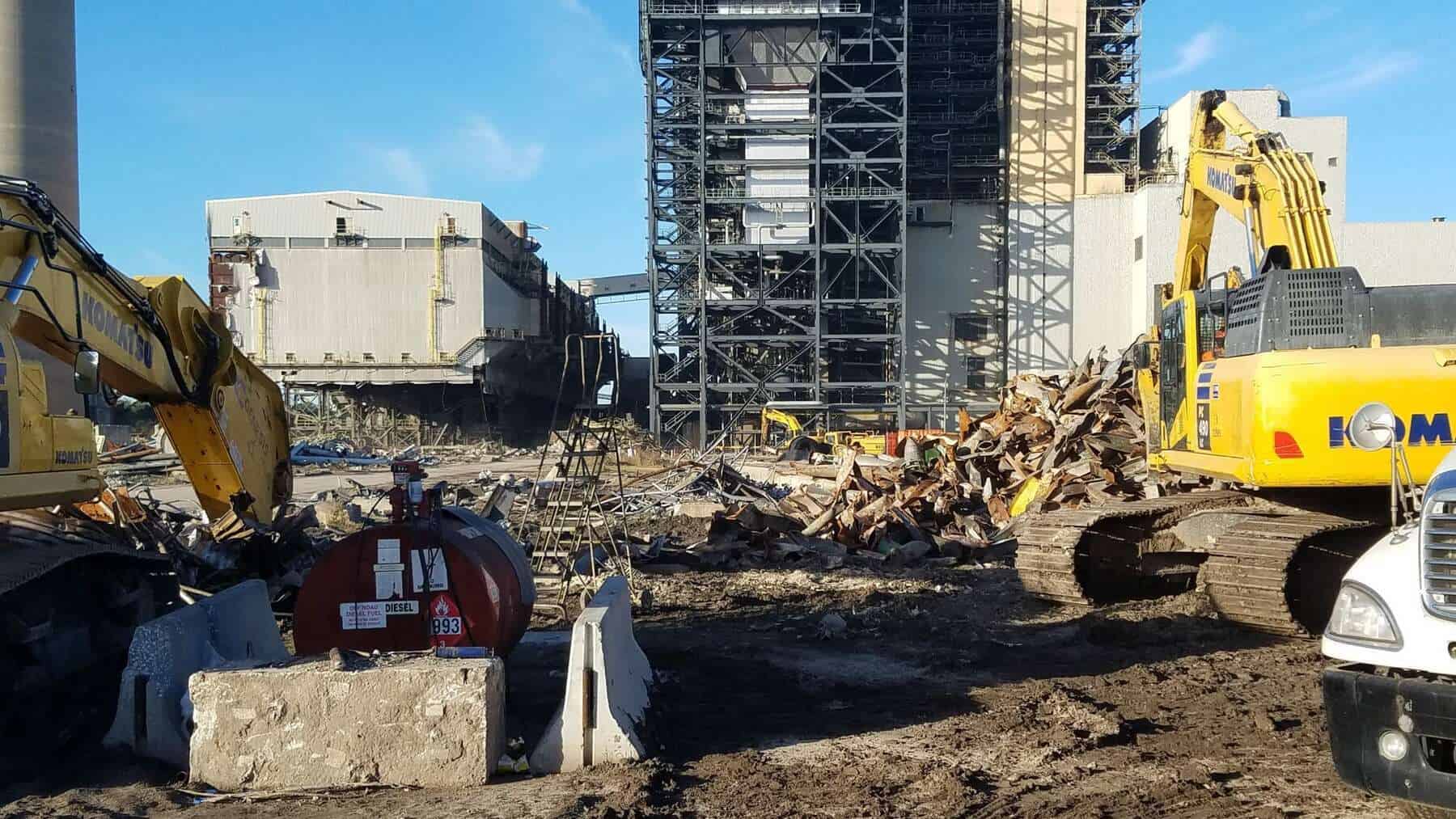
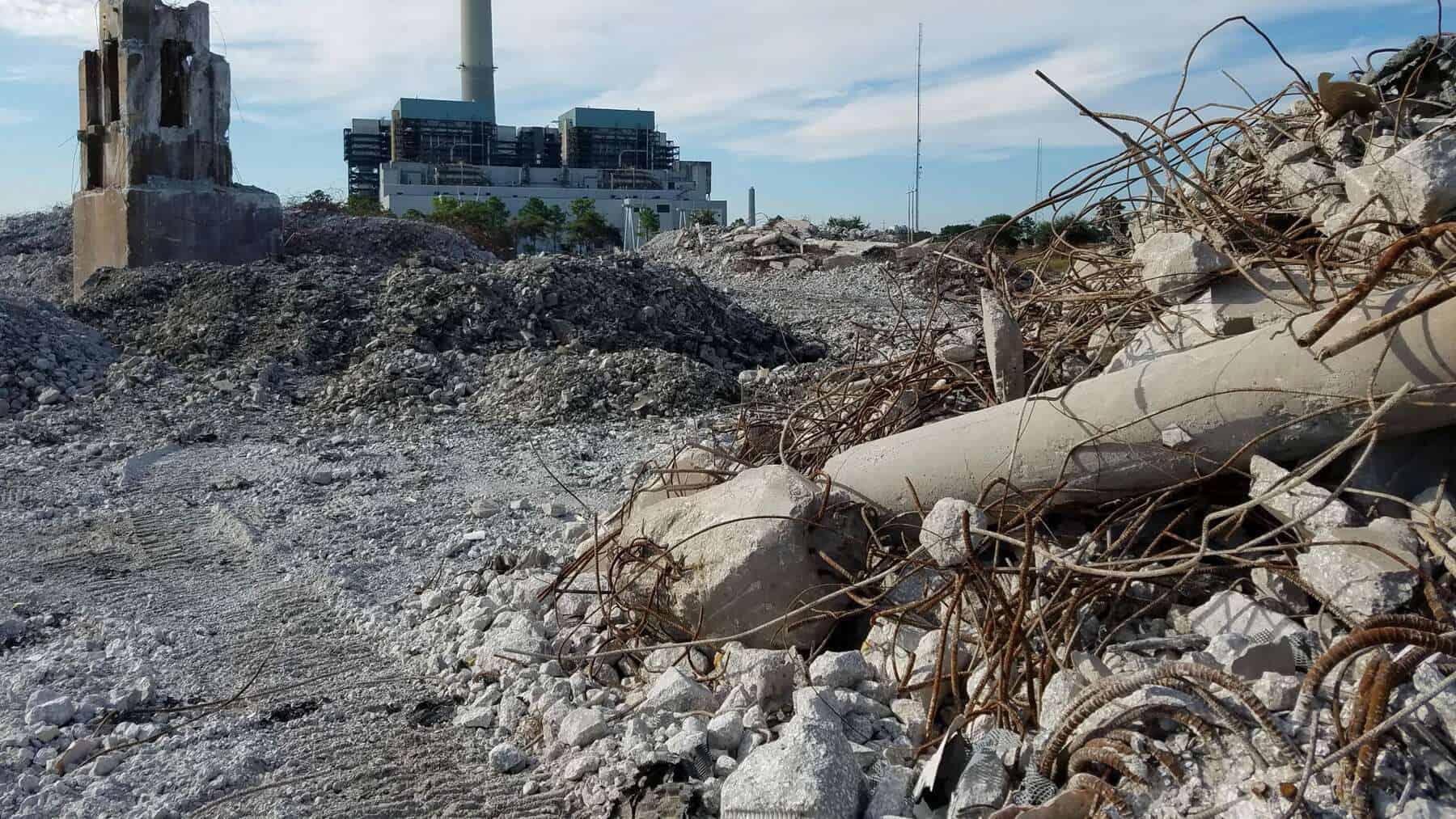
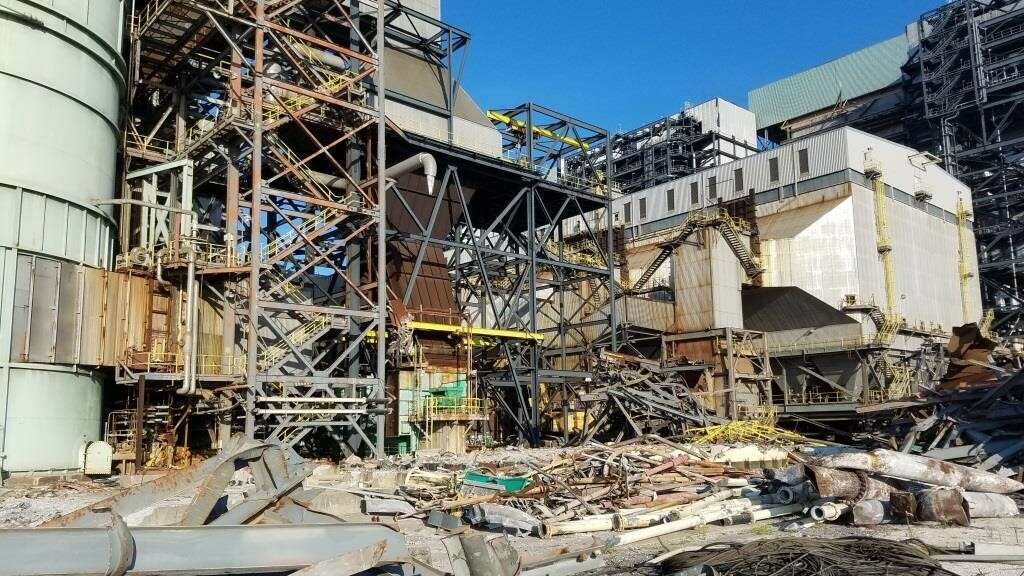
For example, buildings containing asbestos are typically stripped internally before any structural demolition begins. This allows hazardous materials to be removed in a controlled environment, rather than being disturbed during heavier works. On former industrial sites, demolition may be delayed altogether while contaminated soil is excavated or isolated, or while underground tanks and services are located and safely decommissioned.
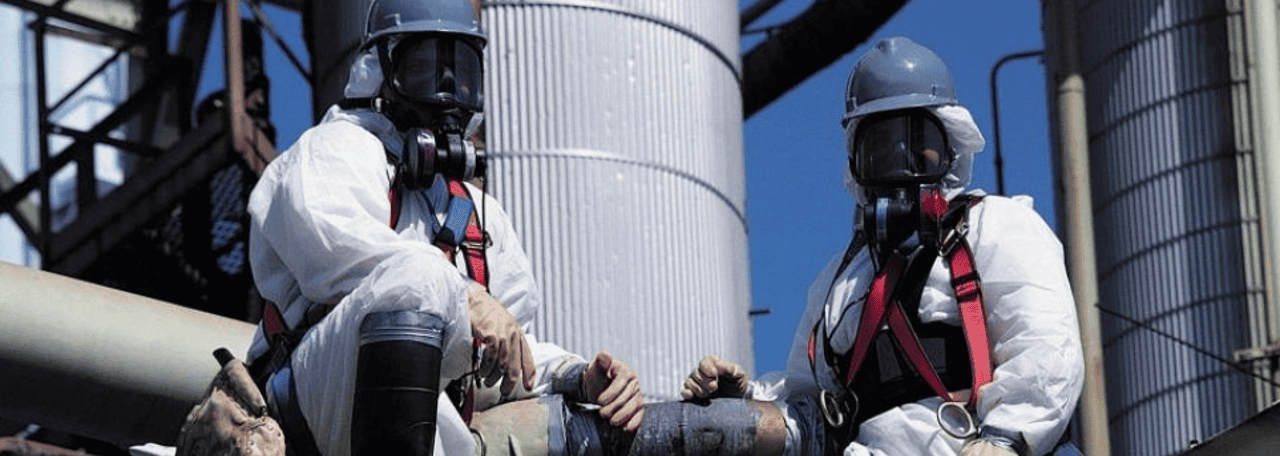
Throughout this phase, containment is critical. Work zones are sealed off to prevent the spread of dust or fibers, and demolition methods are selected to minimize disturbance. Air monitoring is often carried out continuously, particularly on sites close to neighboring properties or public spaces. Dust suppression systems, negative air pressure units, and controlled waste handling are just a few of the methods we deploy to keep hazards contained.
Remediation doesn’t end when structures are removed. Final clearance inspections, air quality testing, and environmental validation are used to confirm that contaminants have been successfully managed and that the site is safe for redevelopment. These steps are essential, not only for regulatory sign-off, but for giving property owners confidence that future works can proceed without hidden risk.
CONCLUSION
Hazardous site work leaves little margin for error. It demands three key components: practical experience, a clear understanding of regulatory obligations, and the ability to manage risk as conditions change on site.
From early investigations through to final clearance, each stage plays a critical role in protecting not only workers but also neighboring properties and the environment.
Total Wrecking & Environmental, delivers hazardous site demolition and remediation services backed by real project experience. When hazardous materials are present, engaging specialists is the only way to ensure the site is managed responsibly and ready for its next use.