Total Wrecking Blog Hazardous Site Management & Demolition

KEY TAKEAWAYS

  • Hazardous sites pose serious health and environmental risks if handled improperly

  • Early identification and professional assessments are critical to safe project planning

  • Regulatory compliance protects workers and property owners from legal exposure

  • Controlled demolition and certified removal prevent contamination

  • Professional contractors ensure projects are completed safely and efficiently

INTRODUCTION

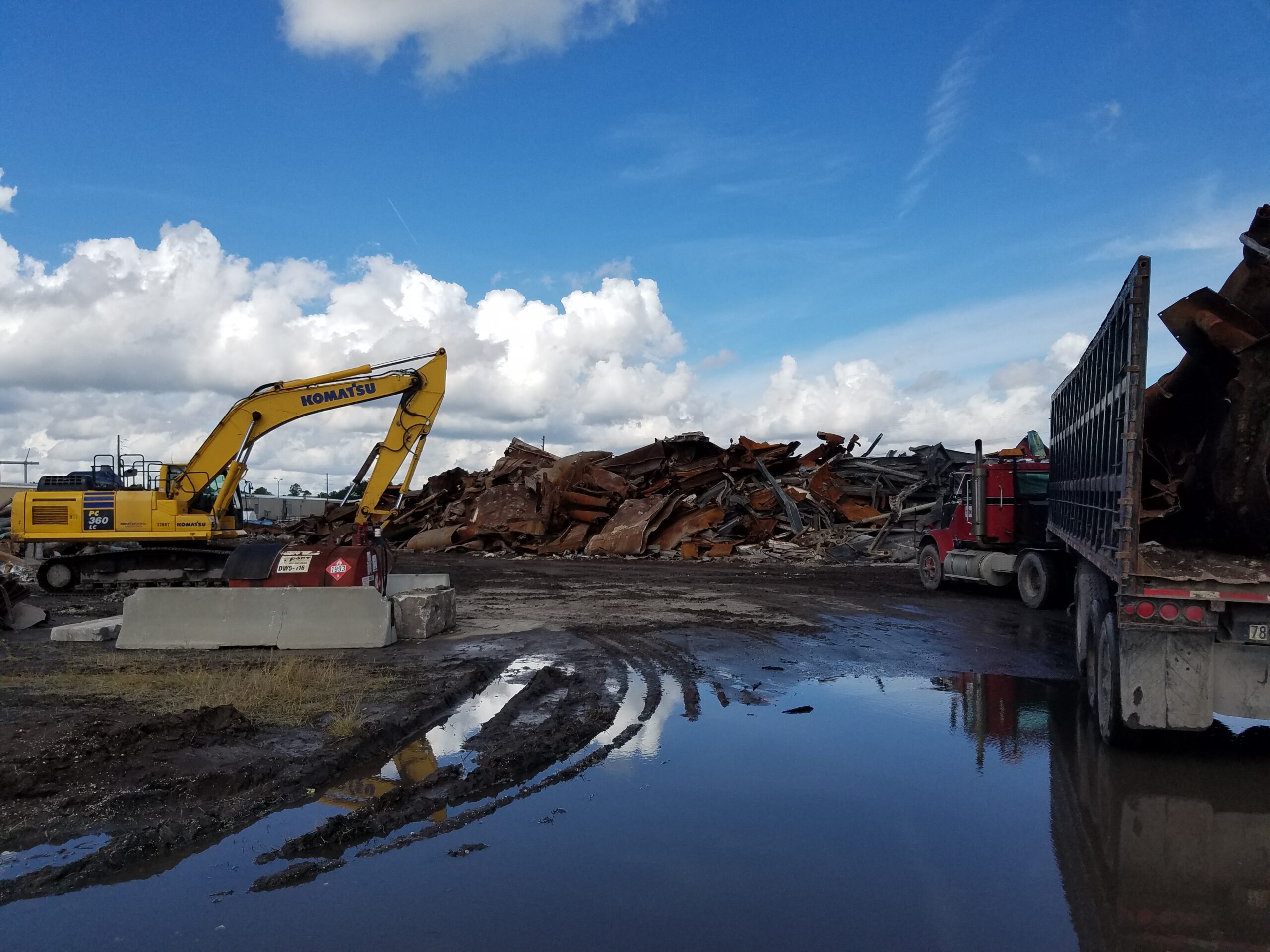
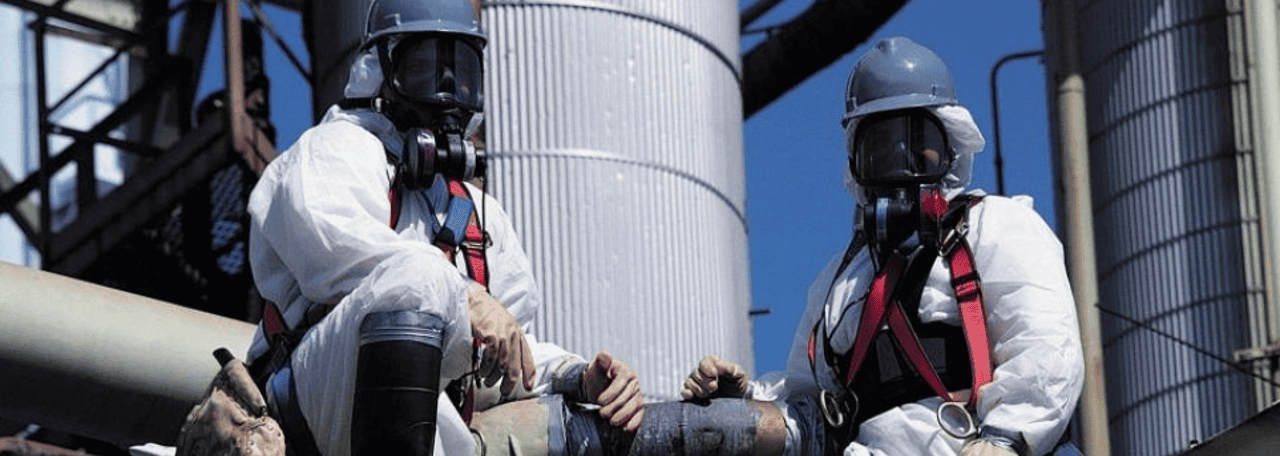
Hazardous sites require specialized knowledge and strict regulatory compliance. These sites often contain materials that pose serious risks to human health and the environment if improperly handled.

At Total Wrecking & Environmental, hazardous site management is never treated as a checklist exercise. It’s a process shaped by decades of experience across complex demolition and remediation projects, from older commercial buildings with asbestos throughout their structure to industrial sites where contaminated soil and buried infrastructure complicated every stage of work.

    IDENTIFYING HAZARDOUS SITES AND MATERIALS

    A hazardous site is any location containing substances or conditions that can cause harm to people or the environment. These hazards aren’t always visible, which makes professional inspections all the more critical before any work begins.

    Common indicators and materials found on hazardous sites include:

    • Asbestos-containing materials in insulation, roofing, and flooring
    • Lead-based paint in older structures
    • Contaminated soil or groundwater from industrial activity
    • Chemical storage residues or fuel tanks
    • Mold, biological waste, or silica dust

    Early identification of these hazards allows demolition and remediation teams to create a controlled plan that prevents exposure and contamination.

    REGULATIONS, SAFETY STANDARDS, AND COMPLIANCE

    Hazardous site work needs to adhere to strict regulations designed to protect workers, the public, and the environment. Compliance isn’t an option, which is why it’s carefully integrated into every part of the project.

    Key regulatory and safety requirements include:

    • OSHA standards for worker protection and training
    • EPA guidelines for environmental protection and waste disposal
    • Proper permitting and documentation before work begins
    • Use of certified professionals for hazardous material handling
    • Approved transportation and disposal methods

    SAFE HAZARDOUS SITE DEMOLITION AND REMEDIATION

    Once hazards have been properly identified and the required approvals are in place, the focus shifts to controlling risk at every stage of the build. Hazardous site demolition is rarely a single, linear process. It’s often carried out in stages, with different areas of a site treated in different ways depending on the materials involved and the level of contamination present.

    For example, buildings containing asbestos are typically stripped internally before any structural demolition begins. This allows hazardous materials to be removed in a controlled environment, rather than being disturbed during heavier works. On former industrial sites, demolition may be delayed altogether while contaminated soil is excavated or isolated, or while underground tanks and services are located and safely decommissioned.

    Throughout this phase, containment is critical. Work zones are sealed off to prevent the spread of dust or fibers, and demolition methods are selected to minimize disturbance. Air monitoring is often carried out continuously, particularly on sites close to neighboring properties or public spaces. Dust suppression systems, negative air pressure units, and controlled waste handling are just a few of the methods we deploy to keep hazards contained.

    Remediation doesn’t end when structures are removed. Final clearance inspections, air quality testing, and environmental validation are used to confirm that contaminants have been successfully managed and that the site is safe for redevelopment. These steps are essential, not only for regulatory sign-off, but for giving property owners confidence that future works can proceed without hidden risk.

    CONCLUSION

    Hazardous site work leaves little margin for error. It demands three key components: practical experience, a clear understanding of regulatory obligations, and the ability to manage risk as conditions change on site.

    From early investigations through to final clearance, each stage plays a critical role in protecting not only workers but also neighboring properties and the environment.

    Total Wrecking & Environmental, delivers hazardous site demolition and remediation services backed by real project experience. When hazardous materials are present, engaging specialists is the only way to ensure the site is managed responsibly and ready for its next use.
    Total Wrecking Blog Urban Demolition Done Right

    KEY TAKEAWAYS

    • Urban demolition requires precision, planning, and strict environmental control.
    • Total Wrecking specializes in selective demolition in tight, high-traffic areas.
    • Projects are completed safely and discreetly with minimal disruption.
    • The DEQ case study proves success in sensitive, regulated environments.
    • Every project is engineered for safety, compliance, and community continuity.
    • Sites are left clean, controlled, and ready for redevelopment.

    INTRODUCTION: WHY URBAN DEMOLITION REQUIRES CONTROL

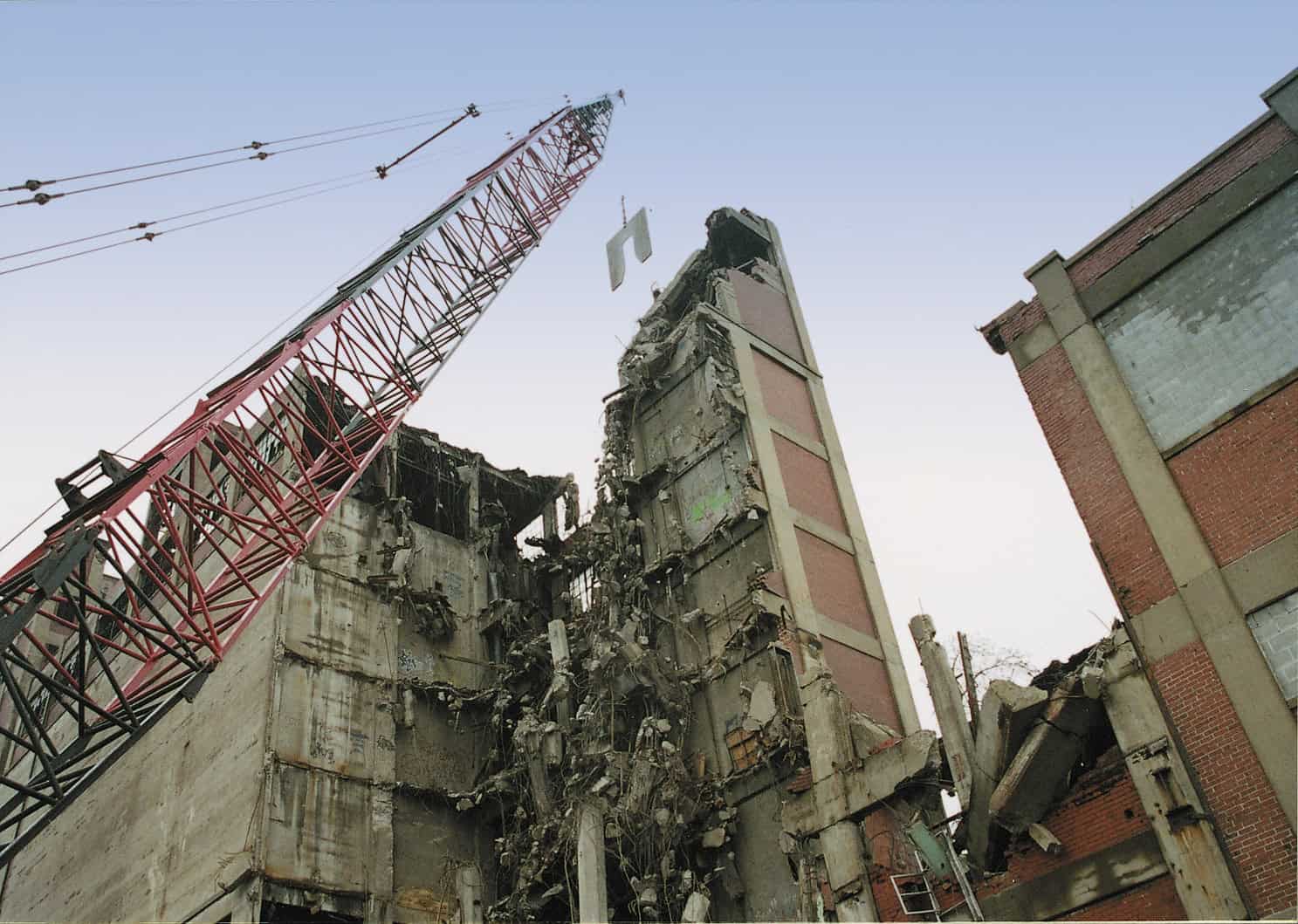
    Urban demolition is not just about tearing down buildings. It is about control.

    Every move affects nearby structures, utilities, air quality, traffic, and daily operations.
    In dense urban environments, even a small mistake can disrupt an entire block.

    Total Wrecking & Environmental understands this responsibility.

    The team treats each project like a surgical procedure.

    Every step is planned.
    Every risk is managed.
    Every detail matters.

    Whether working inside an active facility or clearing space in a tight downtown footprint, the goal remains the same:

    • Protect surrounding structures

    • Maintain safety and compliance

    • Minimize disruption

    • Deliver clean, controlled results

    THE GROWING NEED FOR SPECIALIZED URBAN DEMOLITION

    As cities grow, demolition projects are becoming more complex.

    Today’s urban demolition sites often include:

    • College campuses

    • Government facilities

    • Hospitals

    • Correctional facilities

    • Downtown business districts

    • Aging shopping centers

    These environments come with limited space, strict regulations, and tight schedules.

    Redevelopment is increasing across many regions. As a result, demolition contractors must work with precision and minimize community impact.

    Total Wrecking brings decades of experience to these high-profile projects. Safety, professionalism, and controlled execution guide every job.

    SELECTIVE DEMOLITION IN TIGHT, SENSITIVE ENVIRONMENTS

    In dense urban areas, brute force methods do not work. Precision is required.

    Total Wrecking specializes in selective demolition. This approach removes specific structural components while protecting surrounding areas.

    The team uses:

    • Engineered sequencing

    • Advanced demolition equipment

    • Strict environmental controls

    • Real-time monitoring systems

    Key protection measures include:

    • Noise mitigation systems

    • Dust suppression technology

    • Traffic coordination plans

    • Vibration monitoring

    • Wind and water screens

    • HVAC and air system protection

    Older downtown areas often contain buried infrastructure such as fiber optics, sewage systems, and utility tunnels.

    These systems must remain intact.

    Before work begins, Total Wrecking plans around every hidden element.

    The result is demolition that happens safely and quietly while surrounding operations continue uninterrupted.

    CASE STUDY: DEQ DOWNTOWN DEMOLITION PROJECT

    One of the best examples of controlled urban demolition is the Oklahoma Department of Environmental Quality (DEQ) project.

    The seven-story parking structure stood in downtown Oklahoma City. It was located next to DEQ’s active headquarters and across from the National Memorial & Museum. This was one of the most sensitive environments possible.

    Working under Lingo Construction, Total Wrecking:

    • Stabilized the compromised structure with emergency bracing

    • Used Brokk robotic demolition units for controlled dismantling

    • Deployed a Komatsu 490 UHD high-reach excavator

    • Engineered every movement to limit vibration and noise

    Advanced monitoring tools included:

    • Real-time cameras

    • Drone tracking

    • TWE’s proprietary project tracking app

    • Dust Boss suppression systems

    Despite tight site access, citywide events, and severe weather, the project was completed:

    • On time

    • On budget

    • With zero safety incidents

    More than 7,000 tons of material were recycled with a 99.997% recovery rate.

    The project manager from Lingo Construction noted that Total Wrecking rapidly adjusted methods to overcome challenges. This flexibility defines successful urban demolition.

    ADVANCED EQUIPMENT FOR CONTROLLED DEMOLITION

    Urban projects require specialized tools.

    Total Wrecking uses:

    • 3D modeling for pre-demolition planning

    • Engineered sequencing to control removal

    • Brokk robotic demolition units for vibration-free work

    • High-reach excavators for tall structures

    • Precision shears and hydraulic grapples

    • A proprietary crane-suspended demolition device

    The crane-suspended system was engineered in-house. It allows controlled felling in tight urban or campus settings.

    This innovation provides more control than traditional wrecking methods.

    Live site data ensures each phase is monitored for safety and efficiency.

    ENVIRONMENTAL COMPLIANCE AND SUSTAINABILITY

    Urban demolition must meet strict environmental standards.

    Total Wrecking prioritizes:

    • Air quality control

    • Dust suppression

    • Debris containment

    • Adaptive recycling strategies

    Recovery rates often exceed 99%, far above industry averages.

    The goal is not just demolition. It is responsible transformation.

    Before work begins, the team communicates with:

    • Local residents

    • Nearby businesses

    • Public agencies

    This proactive communication builds trust and helps prevent disruption. It is part of the company’s commitment to protecting communities.

    TRANSFORMING SPACES WHILE RESPECTING SURROUNDINGS

    Total Wrecking focuses on more than removing structures.

    The team protects what surrounds the project:

    • Active labs

    • Pedestrian zones

    • Office buildings

    • Utility networks

    Work is done quietly, cleanly, and safely.

    Sites are prepared for redevelopment without leaving a lasting impact on the neighborhood.

    This approach ensures long-term community continuity.

    THE FOUR PILLARS OF TOTAL WRECKING

    Every project follows the company’s Four Pillars philosophy:

    • Raving employees

    • Raving owners

    • Raving vendors

    • Raving communities

    Success is not measured only by what comes down. It is measured by the positive impact left behind.

    LEARN MORE ABOUT TOTAL WRECKING’S URBAN DEMOLITION SERVICES

    Urban demolition requires precision.
    It requires experience.
    It requires control.

    Total Wrecking & Environmental delivers selective demolition, controlled demolition, and environmentally compliant solutions for complex urban environments.

    Explore our selective demolition services and project portfolio to see how precision and professionalism define every project.

    Total Wrecking Blog Comprehensive Guide to Site Utility Management During Demolition

    KEY TAKEAWAYS

    1. Proper site utility management is essential for a safe demolition environment.
    2. Physical verification prevents reliance on outdated drawings and assumptions.
    3. Shutdowns must be confirmed, documented, and legally compliant.
    4. Utility oversight continues throughout demolition, not only before it starts.
    5. Full documentation protects owners and accelerates the construction phase.
    6. Choosing an expert demolition partner eliminates costly post-demo surprises.

    INTRODUCTION

    Before any demolition equipment arrives on-site, utility management must be executed with precision. Every utility servicing a structure, whether electric, gas, water, sewer, storm, or telecom, must be located, secured, and documented to prevent safety incidents, cost overruns, and schedule delays.

    Total Wrecking ensures that utilities are controlled through a structured plan that protects workers, surrounding infrastructure, and the future construction phase.

    THE ROLE OF UTILITIES IN DEMOLITION

    Demolition appears simple from the outside: equipment takes down a structure and debris is cleared away. In reality, it is one of the most highly engineered phases in the lifecycle of a property.

    Beneath every foundation and behind every wall is a network of live infrastructure designed to support the building, and potentially, surrounding properties.

     Electricity can arc in an instant. Gas under pressure can ignite without warning. Water and sewer lines can rupture and flood excavations or contaminate soil.

    Mismanaged utilities are among the leading causes of demolition accidents and emergency shutdowns. For clients and general contractors, the value of comprehensive utility control often becomes clear only when something goes wrong.

    Total Wrecking prioritizes this step so owners never experience the costly consequences of shortcuts. Safe utility isolation is the foundation that allows the demolition phase to proceed confidently and without disruption.

    UTILITY DETECTION AND VERIFICATION BEFORE WORK BEGINS

    Long before a bucket touches brick, Total Wrecking conducts a complete utility survey. Historical drawings, as-builts, and municipal records are reviewed, but the most reliable information comes from physical verification.

    Older buildings, especially those in dense urban areas or on shared campuses, commonly include undocumented lines, abandoned services, or unexpected utility reroutes made over decades.

    Our assessment determines exact entry points, utility depths, shared service connections, and the condition of infrastructure leaving the structure. Coordination begins early with each service authority to confirm responsibilities, isolation requirements, and expected lead times for disconnects and inspections. These early communications drive schedule predictability for the entire project.

    The planning approach looks beyond what utilities need to be shut down. It also analyzes which temporary essential services must remain to support demolition itself. Lighting, dust suppression water, power for monitoring equipment, and fire protection may remain active, but only under strict protective oversight. Every decision here impacts safety and efficiency throughout the project duration.

    EXECUTING UTILITY SHUTDOWNS WITH ZERO-ASSUMPTION CONTROLS

    Shutting off utilities is not a single action due to each system requiring specialized handling.

    Gas lines must be purged before cutting and capping to eliminate residual fuel. Electrical systems require meter removal in addition to lock-out procedures and physical isolation to guarantee de-energization.

    Water systems must be shut down and drained to prevent uncontrolled releases.

    Fire suppression must remain coordinated with safety authorities until the final stages of preparation.

    No shutdown is considered complete until it is documented and confirmed by the responsible authority. It’s a collaborative effort involving utility providers, inspectors, and the demolition team. Every cap, every isolation valve, every locked panel is inspected and recorded. The goal is to eliminate uncertainty. In demolition, “we think it’s off” is never acceptable.

    ACTIVE OVERSIGHT THROUGHOUT STRUCTURAL DEMOLITION

    Utility management does not end once the building is dark and dry. Temporary power and water remain essential on many sites, and utilities buried beneath an active demolition zone must be consistently protected and monitored. Ground movement, heavy loads, and shifting debris can expose, rupture, or re-energize hazards.

    Total Wrecking incorporates daily verification into field operations. Operators are informed where utilities remain live, even if fully protected. Any site condition changes, like the discovery of previously unknown services, trigger immediate updates to the utility management plan.

    Continuous oversight prevents surprises and ensures that the conditions established during pre-demo planning remain accurate through the final day of site clearing.

    DOCUMENTATION CLIENTS CAN TRUST

    Total Wrecking provides owners and general contractors with complete deliverables that confirm utilities have been safely and legally controlled:

    1. Verified utility mapping showing actual field conditions
    2. Approved isolation and shutdown confirmations from every provider
    3. Records of protection for all temporary and retained services
    4. Inspection reports and photographic evidence for capped and abandoned lines
    5. Final turnover documentation defining what remains and where future trades must proceed with caution

    These documents serve as both safety record and liability protection, supporting permitting, insurance compliance, and the smooth transition to construction.

    CONCLUSION

    One of the greatest advantages of expert utility management is how it accelerates the next phase of development. When the new construction team arrives, they receive a complete picture of below-grade conditions, utility availability, and necessary future adjustments.

    A clean turnover prevents wasted time excavating blindly or discovering active utilities only after equipment hits them.

    Total Wrecking’s proactive approach ensures clients do not inherit the consequences of poor record-keeping or incomplete handoffs. If a utility line must be relocated or upgraded to support the new design, that need is identified during demolition, not weeks later when foundations are already in progress.

    Total Wrecking Breaking Down Complexity: How Total Wrecking Demolishes Paper & Pulp Mills with Precision and Care

    INTRODUCTION

    Demolishing a paper or pulp mill is no ordinary project. These large industrial facilities bring the same complexity seen in many commercial and industrial demolition jobs — hazardous materials, intricate machinery, and strict environmental rules.

    But these projects are more than tearing down structures. They represent opportunities to apply specialized expertise, technological innovation, and advanced safety and sustainability practices.

    UNDERSTANDING PAPER & PULP MILL DEMOLITION

    Paper and pulp mills are complex, housing:

    • Heavy machinery

    • Interconnected infrastructure

    • Potentially hazardous materials

    Before work begins, Total Wrecking performs comprehensive assessments. These evaluate structural integrity, environmental risks, and the presence of contaminants like asbestos and chemicals. Thorough evaluations ensure safety, efficiency, and regulatory compliance at every level.

    UNIQUE CHALLENGES IN DEMOLISHING PAPER & PULP MILLS

    Several factors set these demolitions apart:

    • Hazardous Materials: Asbestos, lead, and chemical residues spread across large facilities require specialized abatement.

    • Heavy Machinery: Equipment such as presses, digesters, boilers, and kilns must be dismantled carefully for reuse or safe disposal.

    • Structural Complexity: Interconnected buildings and load-bearing frameworks demand phased, strategic demolition.

    • Environmental & Safety Risks: Dust, debris, and chemical residues create hazards for workers and surrounding communities.

    ENVIRONMENTAL CONSIDERATIONS & MITIGATION STRATEGIES

    Total Wrecking adopts a proactive approach to limit environmental impact:

    • Pre-Demolition Assessments: Hazardous materials are identified early, with mitigation plans developed before work begins.

    • Hazardous Material Abatement: Certified teams remove asbestos and toxic chemicals safely, with strict containment practices.

    • Dust & Air Control: Water suppression, dust agents, and real-time monitoring protect workers and nearby communities.

    • Waste Management & Recycling: Steel, concrete, and wood are separated for reuse, while hazardous materials are isolated for safe disposal.

    • Water & Soil Protection: Barriers and drainage systems prevent contaminated runoff from spreading

    PROJECT MANAGEMENT: A TAILORED APPROACH TO COMPLEXITY

    Managing a paper mill demolition requires careful planning and coordination. Total Wrecking focuses on:

    • Detailed Pre-Planning: Risk assessments and contingency plans for hazards like chemical spills or structural failure.

    • Specialized Equipment Coordination: Cranes, attachments, and remote-controlled excavators used for safe, precise dismantling.

    • Phased Demolition: Breaking projects into manageable stages minimizes risk and adapts to unexpected challenges.

    • Stakeholder Communication: Transparent updates keep clients, consultants, and subcontractors aligned throughout the process.

    SAFETY PROTOCOLS: PROTECTING PEOPLE & THE ENVIRONMENT

    Safety is a top priority. Key protocols include:

    • Hazardous Material Handling: Strict PPE and guidelines for asbestos and chemicals.

    • Controlled Equipment Removal: Certified riggers and specialty lifting equipment prevent accidents.

    • Structural Sequencing: Controlled demolition prevents sudden collapses.

    • Confined Space Work: Continuous atmospheric monitoring for tanks and pipes.

    • Emergency Preparedness: Real-time audits, on-site safety coordinators, and robust response plans.

    CASE STUDY: THE HODGE, LA PAPER MILL PROJECT

    The WestRock Old Bag Mill demolition highlights Total Wrecking’s capabilities:

    • Timber Salvage: Historic beams and columns were carefully dismantled for reuse.

    • Asbestos Management: Non-friable asbestos roofing was removed under strict protocols.

    • Logistical Constraints: Planning allowed demolition to proceed despite limited access and active nearby operations.

    • Outcome: The project finished on time and within budget, with lessons learned improving future salvage, logistics, and safety strategies.

    TECHNOLOGICAL INNOVATIONS & COST MANAGEMENT

    Technology plays a key role in efficiency and safety:

    • Drones: Used for surveys, hazard identification, and real-time progress tracking.

    • Remote-Controlled Equipment: Reduces human exposure in hazardous areas while improving precision.

    • Project Management Software: Digital platforms streamline scheduling, audits, and cost tracking.

    LOOKING TO THE FUTURE: SUSTAINABILITY & THE CIRCULAR ECONOMY

    Total Wrecking is committed to sustainable practices, including:

    • Maximizing Recovery: Recycling steel, wood, and other valuable materials.

    • Reducing Environmental Impact: Meeting or exceeding stringent standards for demolition waste.

    • Adapting to Regulations: Staying ahead of evolving federal, state, and local compliance requirements.

    CLIENT COLLABORATION & CONCLUDING THOUGHTS

    From planning through cleanup, Total Wrecking’s approach is defined by collaboration, transparency, and performance. Clients benefit from strategies tailored to their facilities, supported by a proven record of safe, efficient, and sustainable demolitions.

    Paper and pulp mill demolitions are some of the industry’s most complex projects. By combining planning, technology, safety, and sustainability, Total Wrecking continues to set new standards for demolition excellence.

    Total Wrecking Building a Legacy of Giving

    INTRODUCTION

    When you think of demolition, the image that might come to mind is one of powerful machines, epic plumes of dust, and towering structures crumbling to earth. But for Total Wrecking, there’s another layer to the story—one that builds up communities and people, not just structures. This is a story of giving, woven into the company’s fabric, reaching far beyond the boundaries of business and into the heart of the communities they serve.

    The inspiration for Total Wrecking’s charitable endeavors comes from a very personal place. Frank, one of the founders, recalls a pivotal experience early on with a local food bank that planted the seeds for the company’s philanthropic mission.

    Today, it continues to drive the team’s passion for helping those who need it most.

    A PERSONAL MISSION THAT SPARKED A COMPANY-WIDE MOVEMENT

    The roots of Total Wrecking’s commitment to giving back are deeply personal and intertwined with the life experiences of its founders.

    Frank’s early life was marked by significant hardship, including a period when he had to rely on a food bank just to get by. During this time, he lived in a friend’s attic, took odd jobs, and painted houses to make ends meet, which profoundly shaped his empathy and commitment to helping those in need.

    Similarly, Sandy’s story is one of perseverance and resilience. Her mother, an immigrant from Sicily, arrived in the U.S. alone at 18, with little knowledge of English and limited resources. She worked tirelessly in a candy factory to support herself and her daughters.

    These experiences of overcoming adversity are at the heart of Total Wrecking’s mission to support communities facing similar struggles. Frank and Sandy’s shared backgrounds of resilience continue to fuel the company’s philosophy of paying it forward.

    EMPOWERING EMPLOYEES TO MAKE A DIFFERENCE

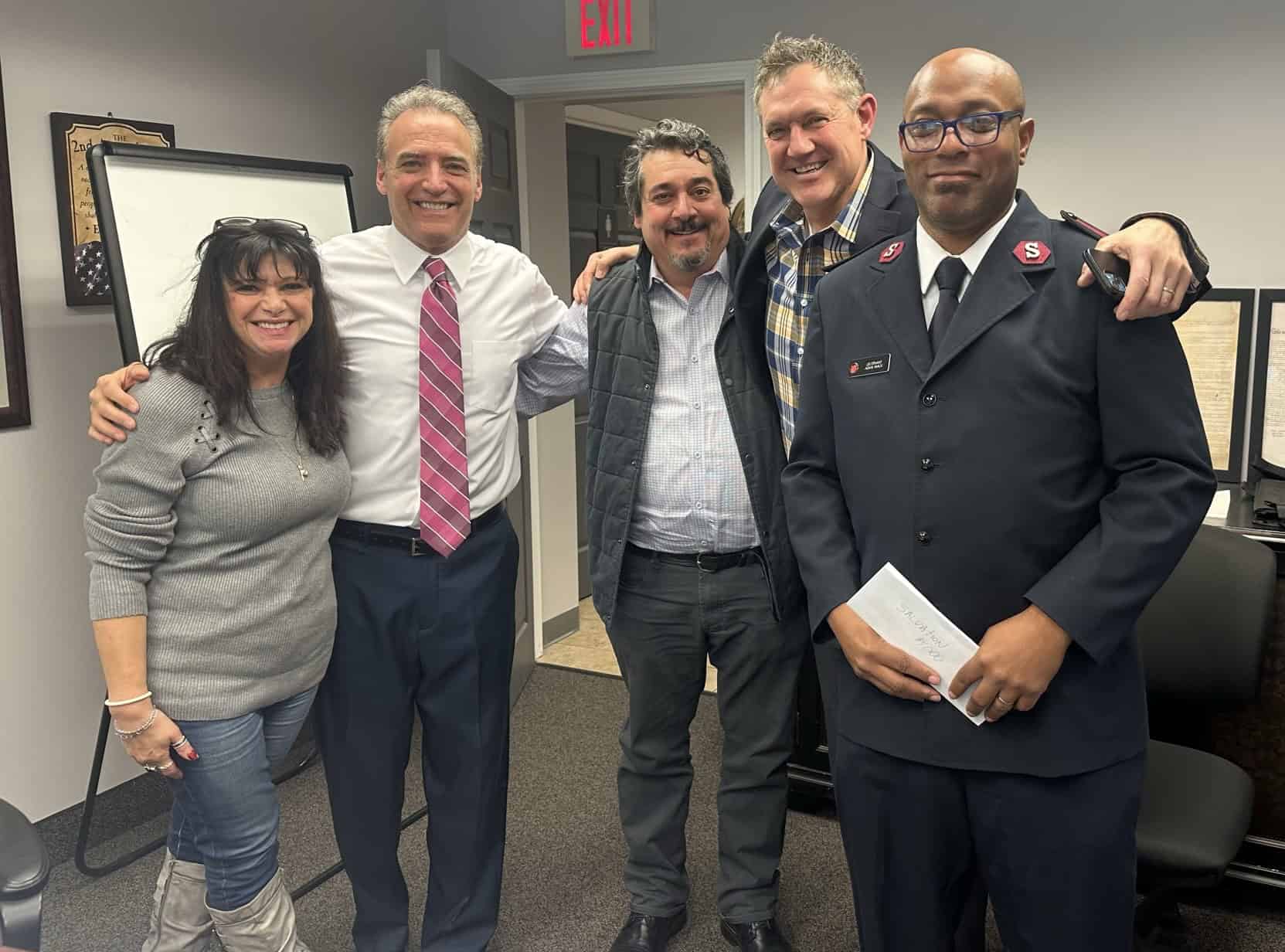
    Total Wrecking’s philanthropic efforts go beyond monetary donations. Recent initiatives, like their involvement in relief for Hurricane Helene, raised over $15,000 to support impacted communities through the organization Eight Days of Hope.

    Just recently, Total Wrecking team members have been working directly on the ground in Florida and the Carolinas providing much-needed aid. They’re also looking forward to annual holiday initiatives at the end of the year, such as creating care packages for elderly community members and involving the team in personal outreach so those in need get to experience genuine human connection during one of the most emotional periods of the year.

    One of the things that makes Total Wrecking’s charitable mission truly unique is its team-centered approach. Employees are active participants and drivers of change. Philanthropy at Total Wrecking isn’t a top-down directive but a shared effort, with each team member playing a role in supporting their chosen causes. Employees have the opportunity to refer organizations for monthly donations, ensuring that the causes resonate on a personal level and align with the team’s values.

    CHOOSING CAUSES THAT RESONATE

    At the beginning of each month, Total Wrecking’s leadership team sits down with employees to consider potential charitable organizations to support. Each suggestion is carefully reviewed, and the selection process is fully collaborative. The team considers a range of factors from the organization’s mission, its alignment with Total Wrecking’s values, and the potential impact of their support.

    Whether it’s a local organization focused on helping veterans, a foundation working to end human trafficking, or a relief effort after a natural disaster, each cause is chosen with careful thought and empathy. By giving employees the freedom to advocate for causes close to their hearts, Total Wrecking fosters a spirit of community that goes far beyond the workplace.

    By making the selection process personal, Total Wrecking ensures that each charitable act is not only meaningful but also emotionally resonant for the team.

    IMPACT ON EMPLOYEES

    The culture of giving at Total Wrecking has done more than support those in need; it has transformed the workplace itself. Employees describe a sense of pride in working for a company that prioritizes community impact, and many feel inspired to contribute personally as well. The charitable initiatives give them a chance to step back from their regular roles and engage with something bigger.

    The sense of pride that comes from supporting meaningful causes has even led some employees to take on additional roles within charitable projects, such as coordinating volunteer activities or organizing fundraisers.

    INSPIRING FUTURE GENERATIONS OF GIVERS

    The internal culture fostered by these charitable activities, best conveyed by employees’ independent donations to supported causes after learning about them through company initiatives, reflects the ethos Frank and Sandy aim to cultivate: a team that embodies generosity, understanding that giving back is not just a corporate obligation but a way of life. The leadership’s choice to prioritize community impact sets an example for employees, showing that success is not only measured by business achievements but also by the positive change made in others’ lives.

    In many ways, Total Wrecking’s philanthropy serves as a call to action, encouraging employees, clients, and community members to think about the ways they can contribute to causes they care about. By embedding a culture of giving within their business, Total Wrecking is inspiring a ripple effect of compassion and generosity that reaches far beyond their immediate sphere.

    TOTAL WRECKING’S ONGOING COMMITMENT

    As they plan for the future, Total Wrecking is excited about the ongoing opportunities to give back, from their annual Christmas outreach program to continued support for causes close to their team’s hearts. For Total Wrecking, philanthropy is a core part of who they are, a testament to their values, and a source of hope for the communities they serve.

    In the words of Sandy, “It’s not about what we can take down; it’s about what we can build up together.” For Total Wrecking, the true measure of success isn’t just in projects completed or goals met; it’s in the lives they touch and the legacy they create.

    Total Wrecking Asset Recovery Services

    INTRODUCTION

    At Total Wrecking & Environmental, we take pride in our core values of safety, integrity, and family, while also being a nationwide leader in cost-efficient and environmentally responsible demolition.

    One of the biggest ways we add value is through investment and asset recovery services. These ensure plant and building owners extract maximum return on decommissioned, surplus, or end-of-life assets.

    By integrating recovery directly into our demolition projects, we help clients maximize ROI while protecting the environment.

    WHAT IS INDUSTRIAL ASSET RECOVERY?

    Industrial asset recovery is the process of identifying, evaluating, and strategically decommissioning surplus equipment, machinery, and materials from demolition sites.

    The goal is not just removal but full monetization through resale, recycling, or repurposing. Examples include:

    • Reselling functional equipment

    • Salvaging scrap metals

    • Recycling or responsibly disposing of hazardous materials

    Our Total Recovery Program combines decades of experience with a managed process that ensures every client gets the most value from their unused assets.

    THE TOTAL WRECKING ADVANTAGE: EXPERTISE AND CUSTOMIZATION

    Our demolition experts have worked across industries such as manufacturing, oil & gas, healthcare, construction, and mining. This experience allows us to create custom recovery strategies for each unique site.

    Our comprehensive services include:

    • Asset Valuation: Market analysis and condition reports determine true value.

    • Marketing & Sales: Targeted strategies connect assets with buyers in private and international markets.

    • Decommissioning & Removal: Safe, efficient dismantling and transport.

    • Recycling & Disposal: Environmentally responsible handling of non-sellable or hazardous materials.

    By covering every step, we deliver a seamless, profitable recovery experience.

    INTEGRATION WITH DEMOLITION SERVICES

    Demolition generates large volumes of salvageable materials. By integrating recovery into demolition operations, Total Wrecking ensures:

    1. Maximized Value – Assets are refurbished, resold, or recycled instead of discarded.

    2. Streamlined Processes – One contractor handles both demolition and recovery, keeping projects on time and budget.

    3. Sustainability – Scrap metals and other materials are diverted from landfills and reused.

    All recovery efforts follow strict regulatory compliance and environmental standards.

    A PROVEN, TRANSPARENT PROCESS

    Clients benefit from a clear, accountable recovery system:

    1. Consultation – Define goals and strategy.

    2. Asset Evaluation – Assess value, condition, and resale options.

    3. Recovery Plan – Timeline, marketing approach, and projected outcomes.

    4. Execution – Logistics, marketing, removal, and sales.

    5. Final Report – Detailed summary of financial returns and environmental impact.

    This step-by-step approach ensures maximum returns without delays or surprises.

    INDUSTRIES AND APPLICATIONS

    Our asset recovery services apply across a wide range of facilities, including:

    • Energy production plants

    • Automotive and manufacturing facilities

    • Transportation hubs

    • Healthcare and research complexes

    • Industrial warehouses and mills

    Wherever there are assets to be recovered, Total Wrecking provides efficient, sustainable solutions.

    WHY CHOOSE TOTAL WRECKING?

    By combining demolition expertise with asset recovery strategies, clients receive:

    • Increased ROI through resale and recycling

    • Lower costs and downtime during demolition

    • Sustainability benefits that align with modern environmental standards

    • Comprehensive support from seasoned demolition professionals

    CONCLUSION

    Total Wrecking & Environmental’s asset recovery services set the standard for blending financial performance with environmental responsibility.

    Whether you’re planning a large-scale industrial demolition or seeking to recover value from unused equipment, our Total Recovery Program delivers proven results.

    Contact us today to learn how we can help maximize the value of your project.

    Total Wrecking Lakeland McIntosh Power Plant

    INTRODUCTION

    Total Wrecking & Environmental is a national leader in large-scale demolition, known for its focus on safety, efficiency, and integrity.

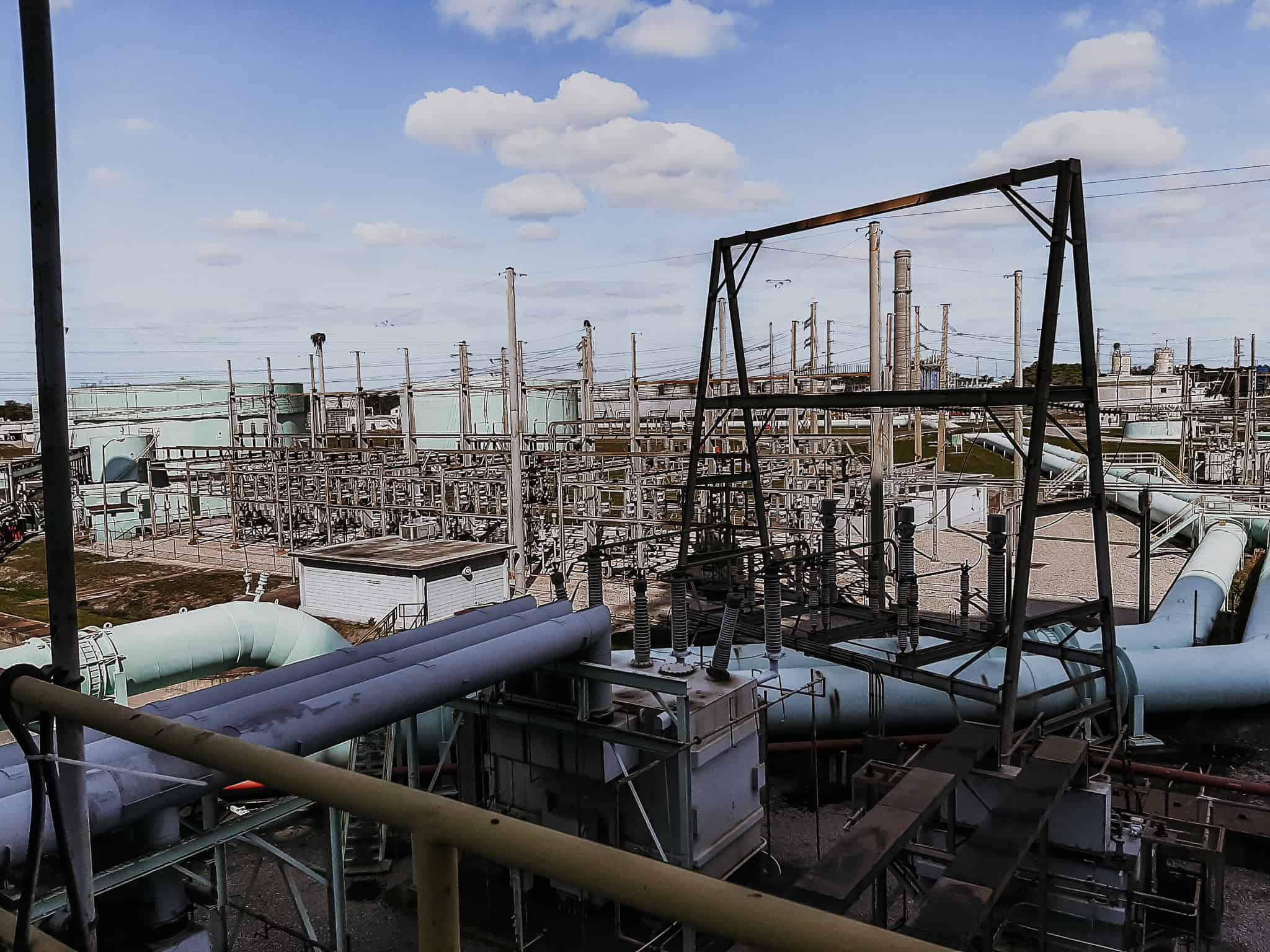
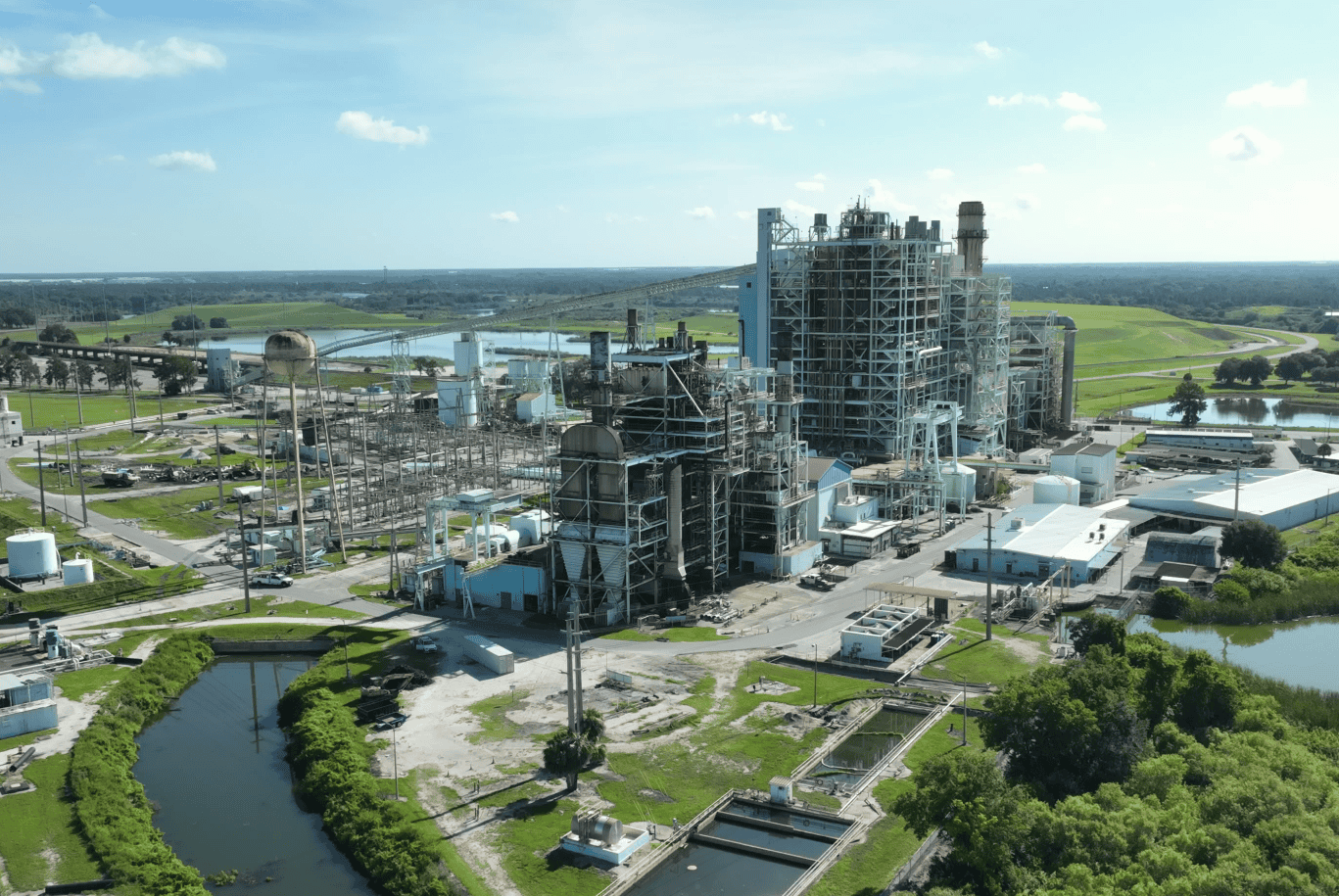
    The Lakeland McIntosh Power Plant demolition was one of our most significant projects to date. Spanning multiple years, it involved dismantling three major boilers and associated structures.

    The project achieved zero injuries and required navigating strict environmental regulations to protect local wildlife such as ospreys and eagles. Technical challenges demanded innovative approaches, including a specialized wrecking ball and carefully planned implosions to safely bring down towering structures.

    PROJECT TIMELINE

    • May 2022: Site preparation and initial assessments

    • June 2022: Equipment mobilization and environmental protection setup

    • Nov 2022: Superintendent Steve Schafner and General Superintendent John Spaich join site leadership

    • Mar 2023: First boiler implosion completed

    • Aug 2023: Second major implosion executed

    • Feb 2024: Final implosion, including administrative buildings

    • June 2024: Debris removal, cleanup, and site handover to the City of Lakeland

    PROJECT BACKGROUND

    The Lakeland McIntosh Power Plant in Florida was a landmark facility supplying electricity to more than 200,000 residents and businesses.

    Total Wrecking’s scope included demolishing:

    • Three 600-megawatt boilers

    • Precipitators, scrubbers, ICRs, and transformers

    • Multiple administrative and auxiliary buildings, some reaching 13 stories

    The work also required safe handling of hazardous materials throughout the process.

    Over two years, the project was completed with:

    • Multiple controlled implosions

    • Use of a 32,000-pound slingshot gravity pendulum (adapted from a previous project)

    • High-reach demolition machinery for safe top-down dismantling

    The successful outcome earned Total Wrecking a shortlist nomination in 2024 for the World Demolition Award (“Project Over $1,000,000”).

    MAJOR CHALLENGES & SOLUTIONS

    Worker Safety

    Zero injuries were achieved through:

    • Rigorous training on hazardous materials and heavy equipment

    • Daily safety audits to identify risks

    • PPE for all workers (helmets, gloves, harnesses)

    • Frequent safety briefings and updates

    Environmental Compliance & Wildlife Protection

    Protecting wildlife was a central requirement.

    • Monitoring bird activity to avoid nesting disruptions

    • Coordination with agencies for osprey and eagle protection

    • Equipment modifications to prevent nesting on tall machinery

    • Even small animals received care—two kittens were safely rescued and adopted

    Specialized Equipment & Techniques

    • PC 1250 Hydraulic Excavator: Handled large-scale concrete and heavy lifting

    • 32,000-Pound Pendulum Wrecking Ball: Essential for breaking massive turbine pedestals

    • High-Reach Demolition Machines: Allowed controlled dismantling of 13-story structures

    • Controlled Implosions: Planned with surgical precision to avoid collateral damage

    Coordination With City of Lakeland

    • Power grid management: Worked around 23,000-volt active wires

    • Traffic control: Police-assisted road closures for conveyor removals

    • Community communication: Residents notified ahead of implosions

    • Exclusion zones & viewing areas: Ensured safety while allowing public viewing

    KEY SUBCONTRACTORS

    • CDI (Controlled Demolition, Inc.) – Implosion expertise and execution

    • Dive Teams – Sealed cooling tower water intakes to prevent contamination

    • Abatement Contractors – Removed asbestos safely and in compliance

    • Concrete Contractors – Prepared structures for implosions with precision saw-cutting

    • Paving Contractors – Maintained site access and heavy machinery routes

    COMMUNITY ENGAGEMENT

    • Implosion Raffle: Local residents entered for a chance to push the button on a major implosion, raising funds for charity
    • Charity Donations: Additional community fundraising tied to implosion event

    COMPLETION & OUTCOMES

    The final phase ensured full compliance and client satisfaction:

    • Documentation: Waste manifests, scrap tickets, and hazardous removal records compiled
    • Site Inspection: Verified debris removal and safe site conditions
    • Client Walkthrough: Final review and acceptance by Lakeland management

    CONCLUSION

    The Lakeland McIntosh Power Plant demolition showcased Total Wrecking’s ability to execute a multi-year, high-stakes project with precision and safety.

    By combining innovative equipment like the 32,000-pound pendulum, meticulous planning, and strict safety measures, we delivered results that set a new standard in industrial demolition.

    This project reinforced Total Wrecking & Environmental’s reputation as a trusted leader in large-scale, complex demolitions, committed to safety, environmental stewardship, and community partnership.

      Total Wrecking CD McIntosh Power Station

      INTRODUCTION

      Total Wrecking & Environmental is proud to announce a prestigious nomination at the 2024 World Demolition Awards!

      Thanks to the hard work of our Lakeland, FL team, we have been shortlisted in the “Contract of the Year Over $1 Million” category for the demolition of Units 1, 2, and 3 at the CD McIntosh Power Station.

      This recognition highlights Total Wrecking’s expertise in tackling large-scale demolition projects while navigating strict environmental regulations and maintaining zero worker injuries. The CD McIntosh project was especially complex, involving live transmission lines and protecting the nearby Tenoroc Public Nature Preserve.

      CD MCINTOSH POWER STATION DEMOLITION: A COMPLEX UNDERTAKING

      The demolition of Units 1, 2, and 3 demanded planning and execution at the highest level.

      Key Challenges:

      • Proximity to live power lines – required extreme caution to protect workers and avoid power disruptions.

      • Environmental sensitivity – bordered the Tenoroc Public Nature Preserve, a protected wetland ecosystem.

      • Hazardous materials – including asbestos, required strict handling and abatement protocols.

      Scope of Work:

      • Abatement and demolition of stacks, boilers, cooling towers, conveyors, and auxiliary equipment

      • Safe dismantling of multi-story structures using specialized machinery

      • Removal of regulated and hazardous materials under full compliance standards

      By the end, the site was safely cleared, environmentally protected, and prepared for redevelopment.

      INNOVATIVE TECHNIQUES & SAFETY-FIRST APPROACH

      To meet the challenges of the project, Total Wrecking deployed specialized demolition equipment:

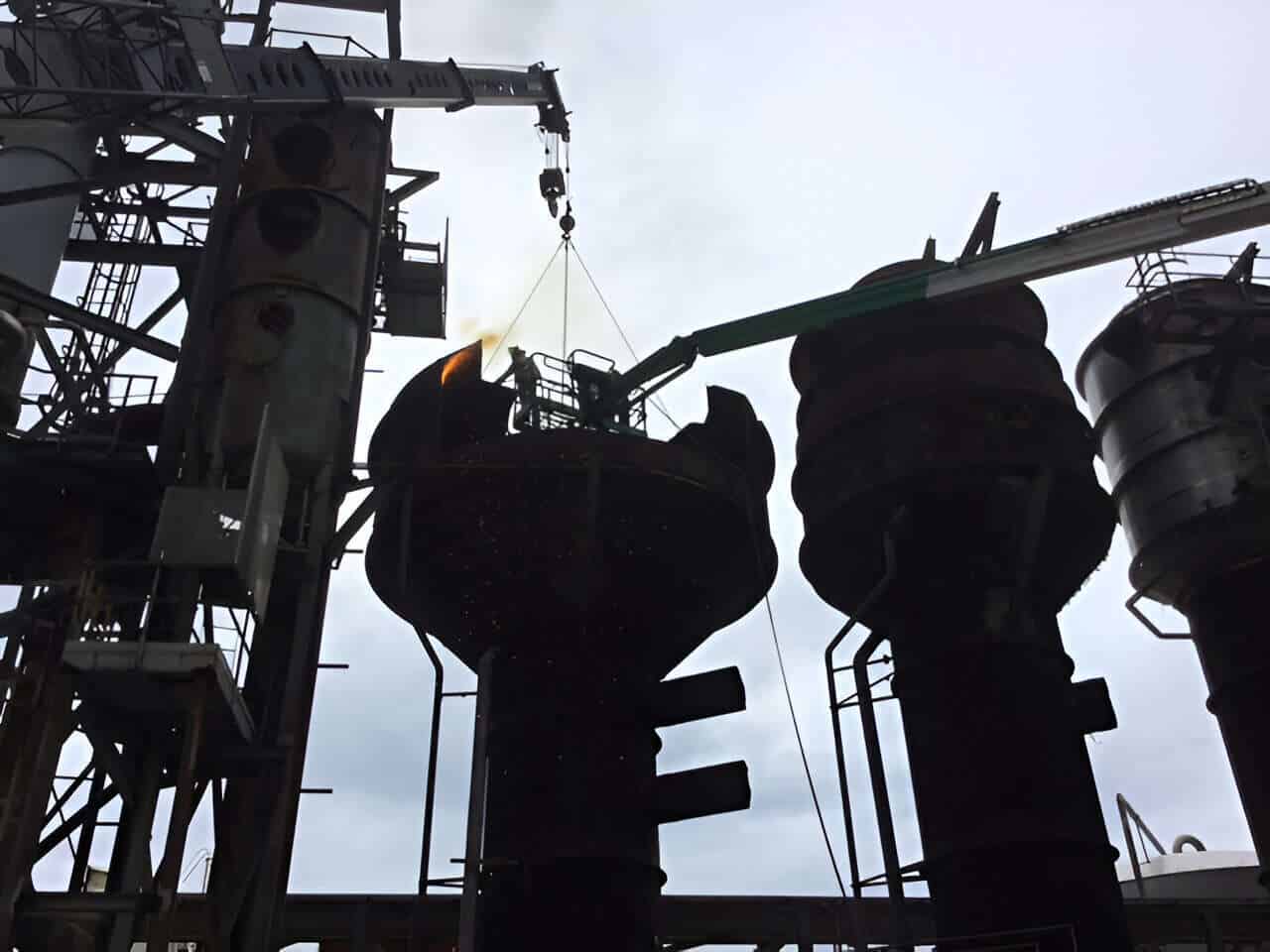
      • 32,000-pound wrecking device – adapted from an old boiler shaft, used to break massive concrete pedestals

      • High-reach demolition machines – enabled top-down dismantling of towering boilers and stacks

      Safety Measures

      • Comprehensive training for all workers

      • Daily audits and on-site inspections

      • Rigorous adherence to PPE and safety protocols

      • Zero workplace injuries reported

      Environmental Protections

      • Continuous coordination with regulatory agencies

      • Protection of wildlife including ospreys and eagles

      • Downsizing and recycling of concrete for backfill

      • Waste reduction strategies to support sustainability goals

      RECOGNITION FROM THE WORLD DEMOLITION AWARDS

      The World Demolition Awards honor the best demolition projects worldwide. Judges—collectively holding 300+ years of industry experience—evaluate projects on innovation, safety, and environmental responsibility.

      Total Wrecking’s nomination for Contract of the Year Over $1 Million underscores our:

      • Commitment to safety-first demolition

      • Use of innovative techniques in large-scale projects

      • Dedication to environmental stewardship

      The winners will be announced at the World Demolition Summit in Stockholm, Sweden (Nov 6–7, 2024).

      LOOKING FORWARD: COMMITMENT TO EXCELLENCE

      This recognition reflects more than one project—it represents Total Wrecking’s mission to raise industry standards.

      As we complete the CD McIntosh Power Station project and move forward, we remain committed to:

      • Pioneering safe, efficient demolition practices

      • Expanding the use of sustainable recovery and recycling strategies

      • Upholding the highest levels of integrity, safety, and innovation

      Total Wrecking Summit

      INTRODUCTION

      For the past 10 years, Total Wrecking & Environmental has worked tirelessly to uphold the highest safety standards in the industry, ensuring that every employee on our jobsites is safe, informed, and accountable.

      And we took our commitment to safety to new heights this year with our Safety Summit in Stone Mountain, GA.

      This was far from your average training seminar; it was a full-company, three-day retreat where every member of the Total Wrecking team from across the country was flown in to immerse themselves in best practices and better get to know the whole team.

      Total Wrecking’s most ardent mission is to ensure all team members, as well as their families, are of strong mental health, financially stable, and comfortable within all of their work environments.

      This comprehensive summit was a testament to that steadfast dedication to care for your colleagues like they’re family.

      THE SAFETY SUMMIT: A COMPREHENSIVE TRAINING EXERCISE

      The summit was a multi-day, hands-on event that gave the whole Total Wrecking workforce the skills and tools needed to perform their work safely and efficiently.

      The intent of the Safety Summit was, first and foremost, to provide necessary training directly related to the work that Total Wrecking performs, the hazards involved, and the steps and means to mitigate those hazards.

      In other words, it’s about elevating awareness and empowering each person with a voice. Every member of Total Wrecking’s team needs to have the knowledge and skills they need to navigate the complexities of these inherently dangerous industrial demolition sites.

      Total Wrecking firmly believes that everyone in the field should feel empowered to be a safety officer and to speak up or act when they see an opportunity.

      Listed below are just some of the topics covered during the three-day summit:

      • Lessons Learned: Discussing different events on a wide variety of job sites to better learn from past experiences.
      • All-Stop Work Authority: Emphasizing the importance of every employee having the power and confidence to call an all-stop.
      • Muster Points & Training: Ensuring everyone knows where to gather in an emergency.
      • Situational Awareness: Training staff to be aware of their surroundings and potential hazards to avoid them more effectively.
      • Environmental Health Hazards: Educating the team on potential environmental hazards and how to mitigate them, including:
      – Asbestos Awareness
      – PCB Awareness
      – Lead Awareness
      – Arsenic Awareness
      – Cadmium Awareness
      – Hexavalent Chromium
      – Respirable Silica
      • Respiratory Protection: Ensuring workers have the right equipment and training to protect their respiratory system from harmful contaminants.
      • OSHA Focus 4: Addressing the four leading causes of fatalities in the construction industry: falls, struck-by, caught-in/between, and electrocutions.
      • Fall Protection: Implementing specific safety protocols and procedures to prevent falls and ensure worker safety at elevated heights.
      • Hazardous Waste Operations and Emergency Response: Training workers to safely handle hazardous waste and respond effectively to emergencies.
      • Hazard Communication: Ensuring clear communication about potential hazards so every team member is informed and prepared.
      • Emergency Action Plan: Ensuring everyone knows what to do in an emergency.
      • Chain of Command: Clarifying the organizational structure and who to report to.
      • Team Building: Strengthening the team dynamic and promoting a strong safety culture through communication and trust.

      Frank & Sandy Bodami’s career-long dedication to the safety of his team has been paramount for the company, and its impact has been noticed within the industry. Above all else, he states his mission has always been to ensure every worker returns home safely at the end of the day.

      Total Wrecking Demolition Team

      INTRODUCTION

      In the bustling city of Buffalo, NY, amidst the clamor of machinery and industrial artistry, stands Total Wrecking & Environmental – a testament to co-owner and co-founder Sandy Bodami’s unwavering spirit, her strategic smarts, and her unique ability to make every colleague feel like family. At the helm of this proudly Woman-Owned Business, Sandy’s grounded, no-nonsense leadership style has not only propelled the company to remarkable heights but has also cultivated a workplace culture of mutual respect and personal autonomy. In the blog below, we take a closer look at the story of Sandy Sr., whose business development acumen and unique ability to anticipate industry trends have been pivotal in Total Wrecking’s meteoric success and continued expansion.

      THE HEART OF TOTAL WRECKING: PUSHING PEOPLE TO BE THEIR BEST

      Sandy’s secret sauce is simple – it’s all about the people. She’s the captain who knows her employees by name, their kids’ birthdays, and probably what they had for dinner last night. She’s built a world at Total Wrecking where everyone’s got each other’s backs, and that’s no small feat. Sandy Sr.’s journey within the industrial demolition industry, not necessarily known for its female leadership, is nothing short of inspirational. After all, she has been Total Wrecking’s strategic and financial driving force since its inception in 2013, inspiring her colleagues to take greater ownership over their roles and to work harder to protect the people around them. She’s not the matriarchal, teddy-bear figure female leaders are often stereotyped to be she’s a hyper grounded voice of reason who demands respect and hard work every day of the year. To Sandy Sr., success is about inspiring people to make their greatest effort and to treat everyone they work with dignity. Creating a “family atmosphere” doesn’t mean her employees are sitting around a fire singing kumbaya; it means they push and pull each other because they believe in eliciting every individual’s full potential.

      A WOMAN-OWNED POWERHOUSE

      Sandy’s not just at the table; she’s leading the charge, and the industry’s sitting up and taking notes. Her compass? A mix of guts, heart, and confidence that helps better her employees and, by extension, her company. Under Sandy’s leadership, Total Wrecking has proudly earned the designation of a Woman-Owned Business, a formal acknowledgment of her role and influence. This milestone is not merely a label but a reflection of Sandy’s strategic prowess and her ability to navigate and excel in a traditionally male-dominated industry. The recognition has not only opened new avenues for growth but has positioned Total Wrecking as a champion for inclusivity and empowerment in the business community. Sandy’s partnership with her husband and business partner, Frank Bodami, has created a dynamic that has propelled Total Wrecking to new heights, while always ensuring that Sandy’s voice and leadership remain at the forefront. Where Frank is largely in charge of the “What” department, Sandy has control over the “Why,” “Where” “When,” and “How” units. This synergy and unique partnership has been integral to Total Wrecking’s success by serving as a constant yin and yang between desire and reality, ambition and practicality. While success requires an equal amount of all these ingredients, it’s her clarity of vision and independent strengths that have truly defined the company’s trajectory.

      THE CULTURE ARCHITECT: CRAFTING A LEGACY OF LOYALTY

      Sandy possesses an uncanny ability to craft a culture where loyalty is the currency, and it pays off in spades. Her brilliant and personnel-focused initiatives, such as family-oriented company events and employee recognition programs, reinforce the sense of community and shared purpose central to Total Wrecking’s identity. Sandy’s management style is defined by her innate ability to engender loyalty and instill a deep-seated culture of family, fostering a workplace where employees are motivated to excel and take pride in their work.

      ENVISIONING TOMORROW: SANDY'S FORWARD-THINKING LEADERSHIP

      When Sandy looks to the future, it’s not just about keeping Total Wrecking on top; she’s dreaming up ways to make demolition kinder to our planet and setting her sights on innovations that’ll change the game. She’s not just playing to win; she’s playing for keeps, with a playbook that’s forward-thinking and grounded in good, old-fashioned hard work. The road ahead is about much more than just maintaining Total Wrecking’s competitive edge – it’s about setting new industry standards and driving progress. Sandy knows better than anyone that success is not just measured by profit but by the positive impact on the employees, community, and the environment and her model is “we are building future leaders, funded by demolition and environmental work.”

      CONCLUSION

      Sandy Sr.’s influence on Total Wrecking and the demolition industry is indelible. She’s the lifeblood of Total Wrecking, a force of nature in a hard hat. She’s proof that when you mix business with a whole lot of heart, you get something that’s not just successful but downright spectacular. Her role as a strategic visionary has not only shaped the company’s present but has also charted a course for its future. As we look ahead, Sandy’s aspirations for Total Wrecking’s growth and innovation are clear – to continue raising the bar, fostering a workplace that feels like home, and leading with values that resonate beyond the boundaries of business. In Sandy Sr., Total Wrecking has found not just a leader but a beacon of inspiration for industry and a paragon of excellence for generations to come. Remember Sandy’s mantra: “we are a people building business, building leaders, funded by demolition and environmental work.” Here’s to Sandy Sr., the maverick making Buffalo—and the demolition world—a little more awesome.